
Sunshade Systems
Architectural sunshade louvers made from Geolam Soleo aluminum-core hybrid profiles. Fixed horizontal blades for exterior sun control over windows, storefronts and facades, with a sanded wood-look face that never needs staining or sealing.
Blades that stop high sun before it reaches the glass.
A sunshade system is a set of fixed blades, or louvers, held in front of or above glazing on outriggers or brackets that project from the facade. Architects also call it a solar shading system or exterior sun control. The blades intercept direct summer sun outside the building envelope, so less heat reaches the glass, while lower winter sun and daylight still get through.
Geolam supplies the blades. Soleo profiles are co-extruded aluminum-core hybrid battens with a sanded wood-composite skin, so an architectural sunshade built with them reads as warm timber from the street and from inside the room. The outriggers, brackets and anchors are designed for each project by the architect, engineer or installer, and Geolam provides span charts and installation details to support that design.
Sunshade systems usually describe horizontal blades over windows, storefronts, entrances and parking structures. For vertical fins and other fixed facade shading, see Brise-Soleil.
Fixed horizontal blades
Blades run parallel to the facade, mounted on project-designed outriggers.
Aluminum-core blade
Anodized A6063S-T5 core inside a sanded wood-composite skin.
Non-combustible
Soleo 6008 and 6010 tested to ASTM E136 (datasheet appendix).
Engineered per project
Wind-load span charts for estimating; final design by a design professional.
From extrusion to a finished sunshade.
Every blade starts as a hot co-extrusion of an anodized aluminum core and a wood-composite skin. On site, those blades are fastened to an outrigger or subframe to make the sunshade structure system.
1. The blade: each Soleo profile is an anodized aluminum core (A6063S-T5) bonded to a wood-composite skin in one co-extrusion, then sanded. The core gives the blade its stiffness; the skin gives it the grain.
2. Outriggers and subframe: the arms or rails that hold the blades off the wall. Their size, spacing and anchorage are set by the project engineer for the local wind load, and they are not part of Geolam’s supply.
3. Cutting: blades are cut with powered aluminum-cutting chip saws (carbide tips), never grinders or chainsaws.
4. Fastening: Geolam’s installation guide uses InPull nuts (M6 to M12), blind nuts or bolts, with pre-drilled holes 2 to 4 mm larger than the bolt and washers, so each blade can move with temperature. Tapping screws, drill screws and nails are not recommended.
5. Joining and finishing: Soleo 6008 and 6010 both accept splice connectors for long runs and end caps at the exposed ends. End caps are glued, and their four weep openings must stay open so water can drain.
Two featured blades, and where each kind of sunshade fits.
Most aluminum sunshade louvers are bare or painted metal. These options use Geolam profiles, so the same wood-look face carries across horizontal sunshades, fins, canopies and screens. Soleo 6008 and 6010 are our two most-specified profiles; every profile in the range can be used for sunshades.
| Sunshade type | How it shades | Best for | Geolam option |
|---|---|---|---|
| Horizontal sunshade, slim bladesGeolam Soleo 6008 | Closely spaced slim blades filter high-angle sun above the glass | Windows, storefronts, entrances | Soleo 6008, 2 × 1¼ in. |
| Horizontal sunshade, deep bladeGeolam Soleo 6010 | A deeper, stiffer section allows longer spans between outriggers | Wider bays, higher wind exposures, parking structures | Soleo 6010, 5⅛ × 2⅛ in. |
| Horizontal sunshade, wide blades | Broad, flat blades shade more glass per blade | South-facing curtain wall | Soleo 6031 or 6033, 5 to 7⅞ in. wide |
| Vertical fins | Blades set perpendicular to the wall cut low east and west sun | East and west elevations | Soleo or Planeo fins; see Brise-Soleil |
| Overhead louver canopy | Blades span across a frame overhead to filter sun on walkways | Entrances, terraces, covered walks | Soleo profiles; see Soffit & Canopy |
| Sunshade panels and screens | Closely spaced slats in a frame in front of the glass or an opening | Parking garages, stair towers, equipment walls | Soleo, Planeo, Careo or Diameo; see Louvered Screens |


Sun control that reads as wood, not metal.
A facade sunshade is seen every day from the street and from the desk behind the window. Geolam’s Soleo 6008 and Soleo 6010, our two most-specified profiles, give a commercial sunshade the look of timber blades with an aluminum core doing the structural work.
Get Your SamplesThe profiles: Soleo 6008 and Soleo 6010
Our two most-specified profiles, shown as examples; every profile in the range below can be used for sunshades. Both are stocked in Teak and Rosewood with no minimum order.
Soleo 6008 · 2 × 1¼ in.

Our most-specified profile. A slim batten for closely spaced blades and a fine pattern of shadow lines; it is used on the BB King Museum, Bayou Academy and Green Garden projects shown on this page.
| Section | 2 × 1¼ in. | 50 × 30 mm |
| Weight | 0.57 lb/ft | 0.85 kg/m |
| Standard length | 9 ft 10 in. | 3.0 m |
| Custom lengths | 7 ft to 19 ft 8 in. | 2.15 to 6 m |
| Est. span between supports† | About 8 ft at 100 mph wind |
| End caps / splices | Yes / Yes |
| Fire rating | Non-combustible, ASTM E136 (appendix) |
| Core | Anodized aluminum alloy A6063S-T5 |
| Warranty | 10-year limited, non-prorated |
*1,000 lineal ft minimum. **Non-standard color, 90-day lead time, 5,000 lineal ft minimum. †Estimated from Geolam’s wind-load span chart; confirm with a design professional.
Soleo 6010 · 5⅛ × 2⅛ in.

A deep, multi-chamber blade. Its 2⅛ in. depth gives it a longer charted span than Soleo 6008 when wind loads the wide face, which suits wider bays between outriggers and more exposed elevations.
| Section | 5⅛ × 2⅛ in. | 128 × 53 mm |
| Weight | 1.55 lb/ft | 2.30 kg/m |
| Standard length | 9 ft 10 in. | 3.0 m |
| Custom lengths | 7 ft to 19 ft 8 in. | 2.15 to 6 m |
| Est. span between supports† | About 13 ft at 100 mph wind |
| End caps / splices | Yes / Yes |
| Fire rating | Non-combustible, ASTM E136 (appendix) |
| Core | Anodized aluminum alloy A6063S-T5 |
| Warranty | 10-year limited, non-prorated |
*1,000 lineal ft minimum. **Non-standard color, 90-day lead time, 5,000 lineal ft minimum. †Estimated from Geolam’s wind-load span chart; confirm with a design professional.
33 profiles in four families.
Every Architectural Elements profile can be used for sunshades, as well as louvers, privacy screens, decorative screens and brise-soleil. Soleo 6008 and 6010 are shown in detail above as examples; the tiles below cover every Soleo batten, Planeo fin and plank, Careo square post and Diameo diamond fin. Check the datasheet for the fire rating of the profile you specify.
Soleo
1¾ × 1 in. Soleo 6027Slimmest
1⅝ × 1¼ in. Soleo 6008Batten
2 × 1¼ in. Soleo 6029Medium-Width
2⅜ × 1¼ in. Soleo 6026Square-Profile
2⅜ × 1⅝ in. Soleo 6011Broad-Profile
2¾ × 1⅝ in. Soleo 6030Plank-Style
3⅛ × 1¼ in. Soleo 6017Multi-Chamber
3⅝ × 1⅝ in. Soleo 6036Ultra-Flat Slat
4 × ⅝ in. Soleo 6009Wide
4 × 1¼ in. Soleo 6034Deep
4⅛ × 2⅛ in. Soleo 6031Wide-Slim
5 × 1⅛ in. Soleo 6010Deep
5⅛ × 2⅛ in. Soleo 6038Wide-Flat
5¾ × ⅞ in. Soleo 6024Wide
5¾ × 1¼ in. Soleo 6040Wide-Deep
6 × 2 in. Soleo 6050Large
6 × 4 in. Soleo 6033Wide-Format
7⅞ × 1⅜ in.
Planeo
5¾ × 1¼ in. Planeo 4044Fin (Deep)
6⅞ × 3⅜ in. Planeo 4123Plank (Slim Wide)
11⅜ × 1¼ in. Planeo 4048Plank (Broad Wide)
11¾ × 2 in. Planeo 4061Plank (Deep)
11¾ × 4 in. Planeo 4046Fin (Wide Large-Scale)
13¾ × 4¼ in. Planeo 4062Plank (Extra-Wide)
17¾ × 4 in.
Careo
1¾ × 1¾ in. Careo 7031Square Post
1¾ × 1¾ in. Careo 7011Square Post
2⅛ × 2⅛ in. Careo 7035Square Post
3⅜ × 3⅜ in. Careo 7014Square Post
3½ × 3½ in. Careo 7016Square Post
4¾ × 4¾ in.
Diameo
Tiles show each cross-section to the same scale (width × depth), in inches.
Standard length is 9 ft 10 in for Soleo, Planeo 4010, Careo and Diameo 2018, with custom lengths up to 19 ft 8 in (Soleo 6026 up to 18 ft). The other Planeo profiles and Diameo 2023 are made to custom length, up to 26 ft. Planeo boards are built from hybrid profiles bolted together internally, so they can be shortened only at the 2 in. ends beyond the end bolts. Qualita decking is a separate product line and is not listed here.
Soleo Sunshade Blades vs. Other Sunshade Materials
How an aluminum-core hybrid blade compares with the five materials most often used for sunshade louvers.
| Parameter | Geolam Soleo (Aluminum-Core Hybrid) | Bare or Painted Aluminum Blades | Solid Wood Blades | Solid WPC Blades | Terracotta Baguettes | Rice Hull / PVC Composite |
|---|---|---|---|---|---|---|
| Construction | ✓ Anodized aluminum core with a co-extruded wood-composite skin. | Aluminum throughout, with a coated or anodized surface. | Solid timber throughout. | Wood fiber and plastic, no metal core. | Fired clay sections. | Rice hulls bound in PVC. |
| Fire Classification | ✓ Soleo 6008 and 6010 non-combustible, ASTM E136; Class A, ASTM E84. | ✓ Non-combustible. | ✗ Combustible unless treated. | ✗ Class A, but not non-combustible. | ✓ Non-combustible. | ✗ Class A, but not non-combustible. |
| Appearance | ✓ Sanded natural grain with color variation. | ✗ Metallic; a wood look needs a printed or sublimated coating. | ✓ Genuine grain, varies by species and cut. | Brushed composite surface. | Clay finish, glazed or natural; no wood grain. | Needs a finish coat for color. |
| Maintenance | ✓ Soap and water or power washing; no staining or sealing cycle. | Depends on the coating. | ✗ Periodic staining or sealing to hold its color. | Follow the manufacturer’s care guide. | ✓ Low. | ✗ Finish needs periodic re-coating. |
| Weight & Length | ✓ 0.57 lb/ft (Soleo 6008) to 1.55 lb/ft (Soleo 6010); custom lengths up to 19 ft 8 in. | Typically 12–24 ft stock lengths. | ✗ Limited by available timber lengths. | 12 ft standard lengths. | ✗ Around 8 lb/ft; pieces up to about 6 ft. | 12 ft standard lengths. |
| Warranty | ✓ 10-year, non-prorated. | Varies by supplier and coating. | Varies by supplier and species. | Often around 5 years. | ✓ Often 30 years. | Material warranty; finish often not covered. |
General category patterns from Geolam’s material comparison charts; individual products vary by manufacturer.
Download the Full Materials Comparison GuideWhat makes this the right sunshade material.
A sunshade blade has two jobs: stay straight between supports in the wind, and keep looking good year after year. In a Soleo profile the anodized aluminum core handles the first: it resists sagging and will not rot or attract termites the way solid timber can. The wood-composite skin handles the second, giving a sanded grain instead of a coating printed onto metal.
The wood fiber is dried to 0% moisture content before extrusion, which helps the skin resist warping and mold. The skin uses polypropylene rather than PVC, the material contains 70–80% recycled content, and it is 100% recyclable at end of life, with the Japan Environmental Association’s Eco-Mark.
A sunshade is seen from both sides of the glass.
The purpose of sunshade in building design is practical: cut solar heat gain and glare before they reach the glazing, so the space behind stays cooler and more comfortable. But the blades are also the first thing people see on the facade and the last thing they see out of the window, every working day.
Bare metal blades do the shading job but can look cold. For building sun shading that also adds warmth, a hybrid blade gives you the strength of an aluminum sunshade with a wood-look face that softens a glass or masonry elevation, and no recoating schedule.

Keeping horizontal blades clean.
The top face of a horizontal blade collects dust, pollen and bird droppings that a vertical screen sheds. Rain clears most of it; the rest comes off with water and mild soap, and power washing is fine: it does not affect the warranty. There is no staining, sealing or refinishing cycle for an outdoor sunshade louver system built from Soleo profiles.
Geolam’s 10-year non-prorated warranty covers the profile against splitting, splintering, rot and termite or fungal decay. Like most exterior finishes, normal weathering and color change over time are excluded, so request a physical sample to see the sanded surface before you choose a color.
Long blades move with the temperature.
An outside sunshade system sees the full range of sun, wind and seasons. Like any aluminum, the core grows and shrinks slightly with temperature: about 0.92 mm per meter over a 40 °C (72 °F) swing, or roughly 5.5 mm (under ¼ in.) on a 19 ft 8 in. blade. Oversized pre-drilled holes and washers at each fastener let the blade move freely.
Wind is the governing load. Geolam’s span charts estimate how far each blade can run between supports for a given wind speed. A cantilevered blade should use about half the charted span, and spans should be shorter at building corners, where wind pressure is higher. Soleo profiles are also salt-spray tested (DIN EN ISO 9227 NSS), which matters on coastal projects such as Shibusa in Sarasota, Florida.

Who stands behind these profiles?
Geolam, Inc. is headquartered in Toronto, Ontario, and is the exclusive North American importer and distributor of Geolam® exterior building products manufactured in Japan. The hybrid wood-aluminum technology was developed in Japan in the 1990s, and Geolam introduced its Wood Hybrid Systems (WHS) triple-extrusion profiles in 2012.
Sunshade blades are supplied through Geolam or your local Geolam sales representative, who can share datasheets, span charts and installation details with the project’s design team. Soleo 6008, 6010, 6031 and 6033 are stocked in Teak and Rosewood with no minimum order.
Certifications & performance attributes
Fire data applies to Soleo 6008 and 6010; check each datasheet for other profiles.
Less solar heat gain
Blades intercept high summer sun outside the glass, before it becomes heat inside.
Glare control
Shaded glazing means fewer blinds drawn and more usable daylight.
Code-friendly
Soleo 6008 and 6010 are ASTM E136 non-combustible, and Class A under ASTM E84.
Long custom lengths
Blades from 7 ft up to 19 ft 8 in., with splice connectors for longer runs.
Geolam sunshades on built projects
Five sunshade projects from our project gallery.
 BB King Museum — MississippiSoleo 6008 and 6010, Teak — sunshade
 DISD Solar Preparatory School — TexasSoleo 6010, Teak — sunshade
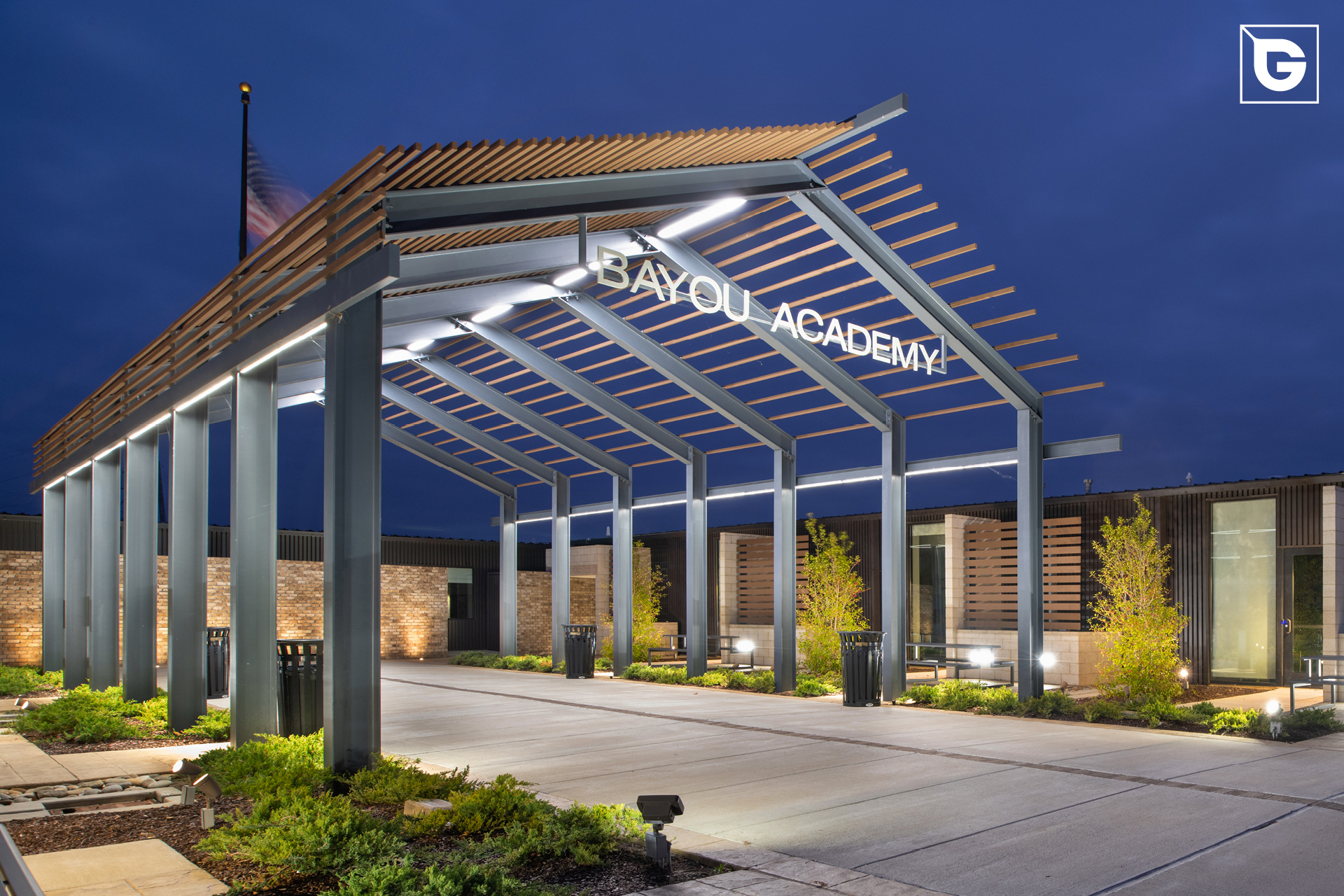 Bayou Academy — MississippiSoleo 6008 and 6031, Rosewood — sunshade
 Green Garden Child Development Center — MichiganSoleo 6008, Teak — sunshade
 Wayzata Blu — MinnesotaSoleo 6033, Teak — sunshade
BB King Museum and DISD Solar Prep use the two featured profiles; Bayou Academy and Green Garden use Soleo 6008, and Wayzata Blu uses the wide Soleo 6033. Ask your local Geolam sales representative for project references close to your building type and climate.
See All Projects in the GalleryStandard finishes & sections
Soleo 6008 and 6010 in six wood-look tones.
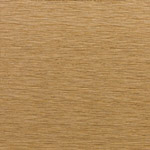
Teak
Warm, golden hardwood tone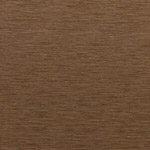
Rosewood
Deep reddish hardwood tone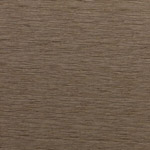
Moleskin*
Cool, driftwood grey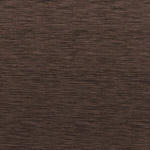
Ebony*
Near-black, low-sheen finish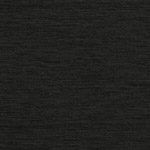
Carbon**
Deep matte black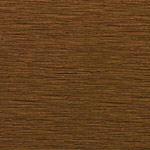
Bilinga**
Rich amber-brown hardwood toneFor Soleo 6008, 6010, 6031 and 6033: *1,000 lineal ft minimum. Every other profile has a 1,000 lineal ft minimum in any standard color. **Non-standard color, 90-day lead time, 5,000 lineal ft minimum.
Soleo 6008, 6010, 6031 and 6033 are stocked in the USA: Teak and Rosewood with no minimum order, Moleskin and Ebony with a 1,000 lineal ft minimum. Carbon and Bilinga are non-standard colors with a 90-day lead time and a 5,000 lineal ft minimum, and fully custom colors start at 6,000 lineal ft. Every other profile in the range has a 1,000 lineal ft minimum in any standard color.
Because the face is genuinely sanded, grain and shading vary naturally between production runs, as solid hardwood does. For a color-critical custom aluminum sunshade, compare a current physical sample in daylight rather than relying on a screen.
Request Physical Samples
The two featured sections, side by side
Soleo 6008 and Soleo 6010 drawn to the same scale, so the difference in width and depth is easy to judge.
The dark band in each outline marks the aluminum core and the colored band the composite skin. The slim 6008 gives a finer rhythm of blades; the deeper 6010 spans further between outriggers. The drawings show proportion only; use the datasheets for actual profile geometry.
What affects sunshade system cost?
Pricing varies too much by project to quote one number. These are the factors that move it.
Get a project-specific number
Send elevations, blade length, preferred profile and color, and location to Geolam or your local Geolam sales representative for an accurate quote.
Request a Quote Find Your Local RepWhat architects say
Architects on specifying Geolam Architectural Elements.
“Geolam’s Soleo 6031 delivers the warm wood aesthetics we were looking for and its low maintenance is an added bonus.”
“Architectural Elements were chosen for their low maintenance composite wood finish, and clean aesthetic with warm wood tones that married perfectly with our material palette.”
“Geolam provided a great solution for the courtyard trellis. A superior product which accents the main entrance to the community center.”
Sunshade systems, common questions
What is a sunshade system?
A sunshade system is a set of fixed blades, or louvers, mounted on outriggers or brackets in front of or above windows to block direct sun outside the building. It is also called a solar shading system or exterior sun control. Geolam supplies the blades as Soleo aluminum-core hybrid profiles; the outriggers and anchors are designed for each project.
What is the purpose of sunshade in building design?
A sunshade reduces solar heat gain and glare by stopping high-angle sun before it reaches the glass, which helps keep interiors cooler and more comfortable while still admitting daylight. On a south-facing elevation, horizontal blades can block summer sun yet let lower winter sun through. It also gives the facade depth and a visible architectural layer.
Is a Geolam sunshade an aluminum sunshade?
Yes, with a difference. Each Soleo blade has an anodized aluminum alloy core (A6063S-T5) co-extruded with a sanded wood-composite skin. It carries loads like an aluminum sunshade but looks like timber, without a painted or printed wood pattern.
What is the difference between a sunshade and a brise-soleil?
The terms overlap. Sunshade systems usually describe horizontal blades on outriggers over windows, storefronts and entrances. Brise-soleil is the architectural term for fixed shading built into the facade, often including vertical fins for east and west sun. Geolam profiles are used for both; see the Brise-Soleil page for fin layouts.
How far can a Geolam sunshade blade span between outriggers?
It depends on the profile, wind speed and support layout. Based on Geolam’s wind-load span charts, Soleo 6010 spans about 13 ft and Soleo 6008 about 8 ft between supports at a 100 mph wind. A cantilevered blade should use about half the charted span, and spans should be reduced at building corners. The charts are for estimating only; a design professional should confirm the final layout.
Who designs the sunshade structure system?
The outriggers, brackets, anchors and their spacing are designed by the project architect, engineer or installer for the local wind load and the supporting wall. Geolam supplies the blades, end caps and splice connectors, along with datasheets, span charts and installation guidance to support that design.
Are Geolam sunshade blades non-combustible?
Soleo 6008 and 6010 are listed as non-combustible as per ASTM E136 (appendix) on their datasheets, Geolam profiles are rated Class A under ASTM E84 (ASTM E136 is the stricter test), and Geolam’s 3-part specification (July 2026) lists them as meeting the IBC 2018 Section 703.5.2 definition of composite noncombustible. Fire data varies by profile, so confirm the rating for the exact profile you specify.
Can Geolam blades be used as a commercial sunshade on offices or parking garages?
Yes. Soleo profiles are used on office, education, healthcare and public buildings, including the BB King Museum in Mississippi (Soleo 6008 and 6010, Teak) and DISD Solar Preparatory School in Texas (Soleo 6010, Teak). Commercial projects often need non-combustible materials and long custom lengths, which the featured profiles provide.
How should an exterior sunshade for windows be sized?
Sunshade design for buildings starts with orientation. Horizontal blades work best on south-facing glass, where the projection is set from the window height and the summer sun angle at the site; east and west glass usually needs vertical fins instead. Blade width, spacing and the number of rows then set how much sky stays visible from inside.
Are custom aluminum sunshade lengths available?
Yes. Soleo blades come in a 9 ft 10 in. standard length and in custom lengths from 7 ft up to 19 ft 8 in. Soleo 6008 and 6010 both accept splice connectors, so longer runs can be joined across outriggers.
What colors are available for Soleo 6008 and 6010?
Teak and Rosewood are stocked with no minimum order. Moleskin and Ebony carry a 1,000 lineal ft minimum. Every other profile in the range has a 1,000 lineal ft minimum in any standard color. Carbon and Bilinga are non-standard colors with a 90-day lead time and a 5,000 lineal ft minimum, and custom colors start at 6,000 lineal ft.
How do you maintain an outdoor sunshade louver system?
Rain keeps most blades clean. For dust or bird droppings on the top faces, wash with water and mild soap; power washing is fine and does not affect the warranty. Soleo blades never need staining, sealing or refinishing.
Do Soleo sunshades suit hot or coastal climates?
Soleo profiles are weathering-tested to 5,000 hours (JIS A 1415) and salt-spray tested to DIN EN ISO 9227 NSS. Blades are fastened through oversized holes with washers so they can expand and contract with heat without stress.
Is it an aluminium sunshade system or an aluminum one?
Both are correct. Aluminium is the British spelling and aluminum the American one, so an aluminium sunshade system and an aluminum sunshade system are the same thing. Geolam’s blades use an aluminum core with a wood-composite skin.
How do I get pricing or samples for a sunshade project?
Contact Geolam or your local Geolam sales representative with elevations, blade lengths, the profile and color you prefer, and the project location. Order a physical sample before finalizing a color, since a screen will not show the sanded surface accurately.
Ready to see it in hand?
Order a physical sample box, or get a project quote from your local Geolam representative.
