
Cladding Replacement
Aging cedar, faded vinyl, or an ACM panel system due for a fire-code upgrade, an aluminum-core hybrid WPC replacement installs over your existing structure once, with a 10-year warranty behind it.
Most cladding replacement starts with a material that’s failed once already.
Cladding replacement means removing an existing, failing exterior finish, cedar that’s checked and grayed, vinyl that’s cracked and faded, an aging fiber cement or ACM system, and installing a new material in its place. Knowing how to replace cladding on house projects or commercial buildings is a different job than new construction: the structure is already there, and the goal is a material that won’t need this again in ten years.
Vertigo 5010 was built with that second point in mind. An aluminum core carries the structural fire and dimensional performance, while a sanded wood-fiber composite skin delivers a genuine wood grain, not a coating that has to be reapplied on the same cycle as whatever it’s replacing.
Installs over existing structure
Furring or hangers attach to sound framing behind the old material.
No repeat cycle
Sanded, not painted, so there’s no refinishing schedule to plan around.
Non-combustible
ASTM E136 tested, relevant for ACM and code-driven replacements.
10-year warranty
Non-prorated, limited.
A retrofit isn’t a new wall assembly, it’s a different sequence entirely.
New construction builds the wall assembly once, in order. Learning how to replace cladding on a house or commercial building starts differently: it begins by taking something apart first, and what’s found underneath often changes the plan.
1. Removal: the existing cladding, cedar boards, vinyl panels, ACM sheets, comes off, exposing the sheathing and framing underneath for the first time in years.
2. Inspection: this is the step new construction skips entirely. Water intrusion, rot, or a compromised weather barrier behind aging cladding often only becomes visible once it’s removed.
3. Repair or re-sheathing: any damaged sheathing, framing, or moisture barrier found in step two gets addressed before new material goes up, not after.
4. Furring or hangers: the attachment layer for Vertigo 5010 fastens to sound, repaired framing, creating a level plane for the new panel.
5. Install Vertigo 5010: the same profile used in new construction goes up on the repaired structure, the final step whether you’re replacing cladding on house-scale projects or a full commercial facade, backed by a 10-year warranty that starts fresh, not prorated against whatever came before it.
Different failing materials, different reasons to move on from them.
A general overview of why each material typically gets replaced, useful for both a residential project and a full commercial cladding refurbishment, not a claim about what Geolam sells. Geolam manufactures only the hybrid aluminum-core WPC row below.
| Existing material | Common failure mode | Typical replacement driver |
|---|---|---|
| Aluminum-core hybrid WPCGeolam makes this one | N/A, the replacement option | Chosen to avoid a repeat cycle |
| Real cedar siding/cladding | Checking, cupping, graying, rot at fasteners | Owners want the look without the recurring maintenance |
| Vinyl siding | UV brittleness, cracking, fading, warping | Visible aging, sometimes storm damage |
| Fiber cement | Moisture absorption at cut edges, paint failure | Repainting cycle becomes too frequent |
| ACM (aluminum composite material) panels | Combustible core in some formulations | Fire-code upgrade requirements |
| EIFS (exterior insulation finish systems) | Moisture intrusion behind an unvented cladding | Documented water damage or failed inspection |
These are general category patterns, not lab-tested claims about specific competing products. Actual performance varies by manufacturer and installation.
Most replacement projects fall into one of two categories: a material that’s simply worn out on schedule, or one that’s been flagged as a problem, whether that’s an EIFS moisture claim or an ACM panel system that no longer meets current fire code. Owners searching for alternatives to cedar cladding specifically are usually in the first group, tired of a maintenance cycle rather than dealing with a failure. Either way, the decision is usually driven by wanting to stop the cycle, not just patch it again.
As one of the more durable cedar cladding alternatives and a genuine alternative to cedar cladding on the market, Vertigo 5010 is specified for exactly that reason in retrofit work: an aluminum core that doesn’t rot, check, or need repainting, holding a genuine wood-grain face that reads the same as the cedar it’s often replacing, whether the application is an alternative wall cladding or a full facade.
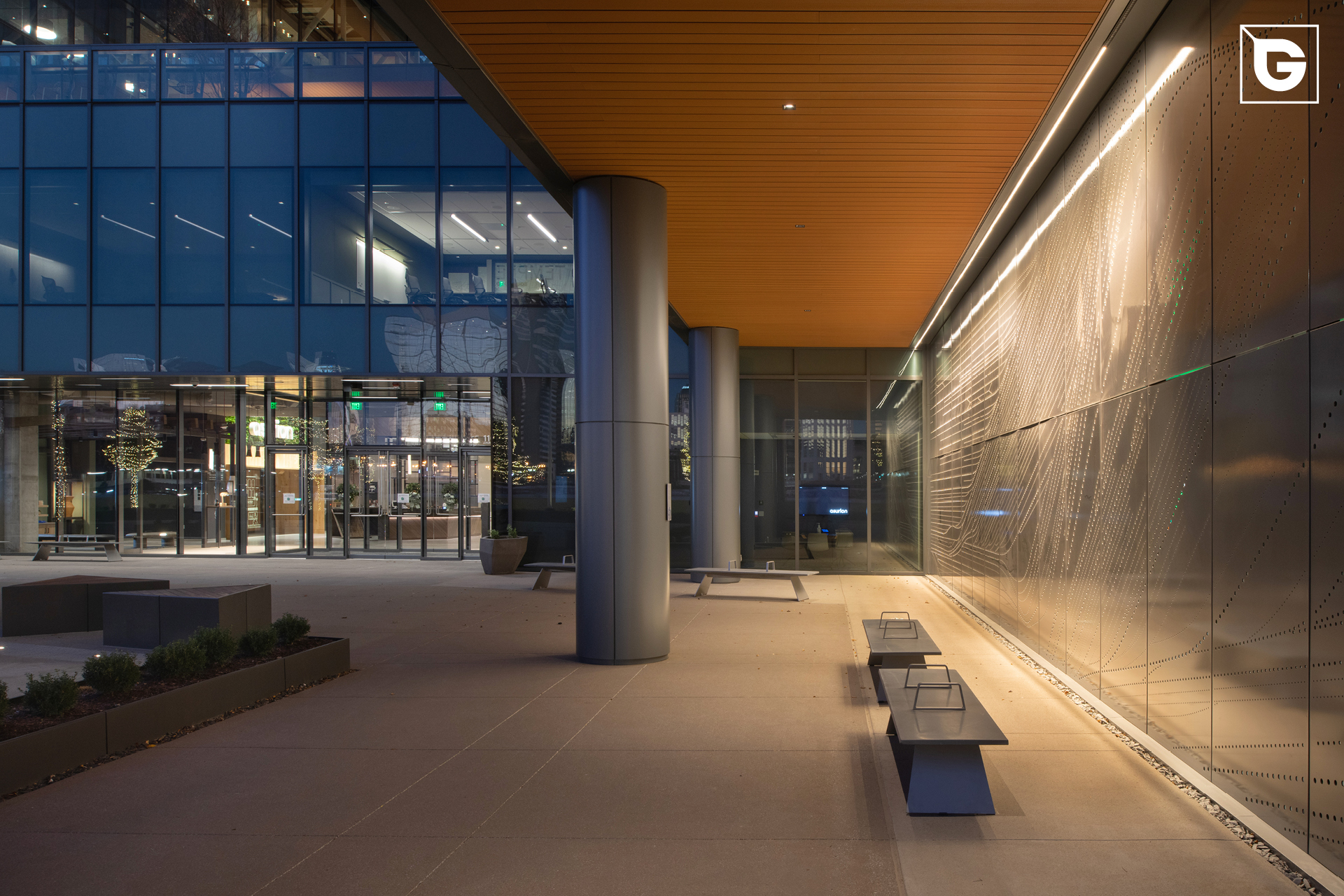
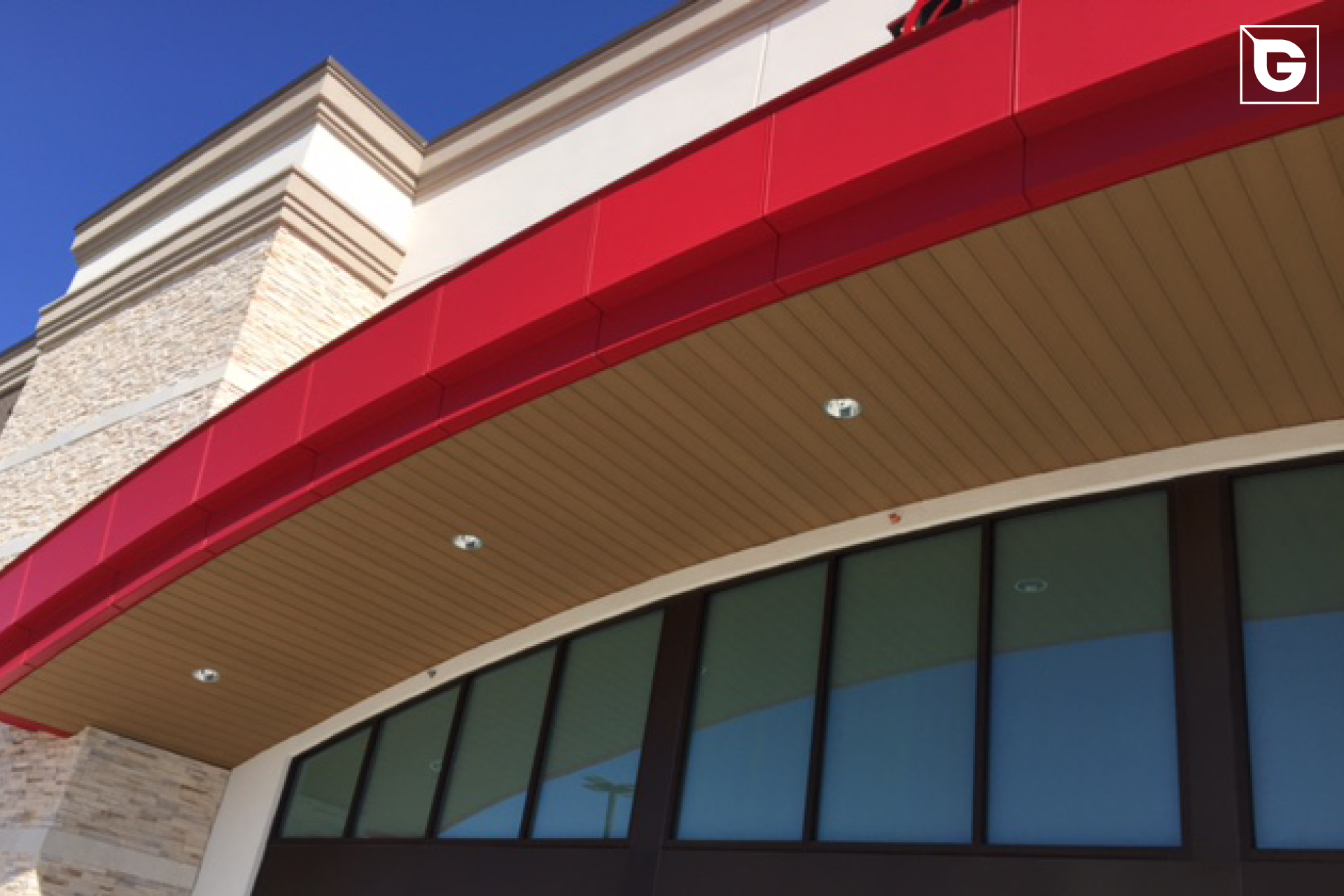
One replacement, not a recurring line item.
Whether the project is a full facade replacement, a fire-code-driven ACM swap, or simply a better alternative to cladding that’s failed once already, the same profile and installation system covers the whole scope.
Get Your SamplesThe profile: Vertigo 5010
Geolam’s aluminum-core hybrid WPC cladding board, one of the more durable alternatives to aluminium cladding, specified for both new construction and retrofit replacement projects.
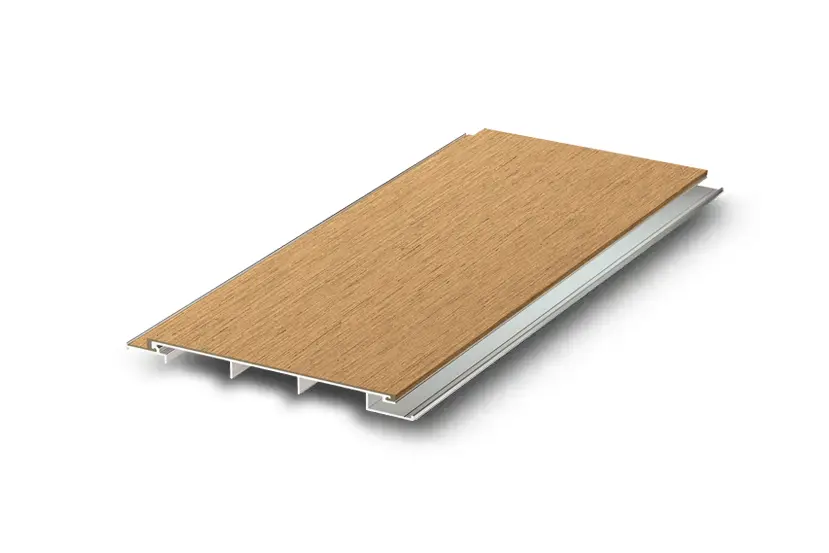
| Thickness | ½” | 13mm |
| Total width | 7¼” | 184mm |
| Usable width (exposure) | 6¼” | 160mm |
| Standard length | 12 ft | 3.66m |
| Custom lengths | 7 ft – 19’8″ | 2.15m – 6m |
| Weight | 0.80 lb/ft | 1.19 kg/ml |
| Fire rating | Non-combustible, ASTM E136 (appendix) |
| Core | Anodized aluminum alloy A6063S-T5 |
| Installation | New construction or retrofit over existing framing |
| Warranty | 10-year limited, non-prorated |
*Non-standard color, 90-day lead time, 5,000 lineal ft minimum.
Replacing Cedar vs. Replacing It Again
Not marketed as a cheap alternative to cedar cladding, but a cheaper alternative to cedar cladding over ten years once restaining costs are counted.
| Parameter | Geolam Vertigo 5010 | Real Cedar Cladding |
|---|---|---|
| Grain Source | ✓ Real wood fiber, sanded to expose natural grain. | ✓ Genuinely solid wood, but ages and weathers. |
| Checking & Cupping | ✓ Aluminum core resists warping across seasons. | ✗ Common failure mode as boards dry and shrink unevenly. |
| Refinishing Cycle | ✓ Soap and water only, no staining schedule. | ✗ Typically needs restaining or sealing every few years. |
| Fire Rating | ✓ ASTM E136 non-combustible. | ✗ Combustible, no inherent fire rating. |
| Rot & Insect Resistance | ✓ Aluminum core doesn’t rot or attract insects. | ✗ Susceptible without ongoing treatment. |
| Warranty | ✓ 10-year non-prorated warranty on the full profile. | Warranty typically covers only the material, not labor or finish. |
General comparison based on typical cedar cladding performance; individual results vary by species, grade, and local climate.
Download the Full Materials Comparison GuideA replacement material chosen not to need replacing again.
Wood fiber dried to 0% moisture before extrusion is what keeps this material from warping the way improperly processed composites, or untreated cedar, eventually do, the reason it’s specified as aluminum cladding for facade renovation work. The result is 70–80% recycled content, fully recyclable, and certified under the Japan Environmental Association’s Eco-Mark and ISO 9001/14001.
For owners weighing alternative cladding materials, or looking at alternatives to cladding in general against a straightforward like-for-like repair, that durability profile is usually the deciding factor: a repair addresses the symptom, a material change addresses why it failed in the first place.
What waiting actually costs.
Failing cladding rarely stays a cosmetic problem. Once water finds a path behind cracked vinyl or checked cedar, it’s the sheathing, framing, and insulation underneath that start absorbing the damage, the kind of repair that costs far more than the cladding itself once it’s caught late. Retrofitting existing buildings with new wall cladding panels before that happens is usually the cheaper path, even though it doesn’t feel that way looking at the upfront number.
For buildings carrying ACM panels, there’s a second driver: fire code has moved since some of these systems were installed, and ACM cladding replacement can close that gap permanently rather than requiring ongoing inspection sign-offs.
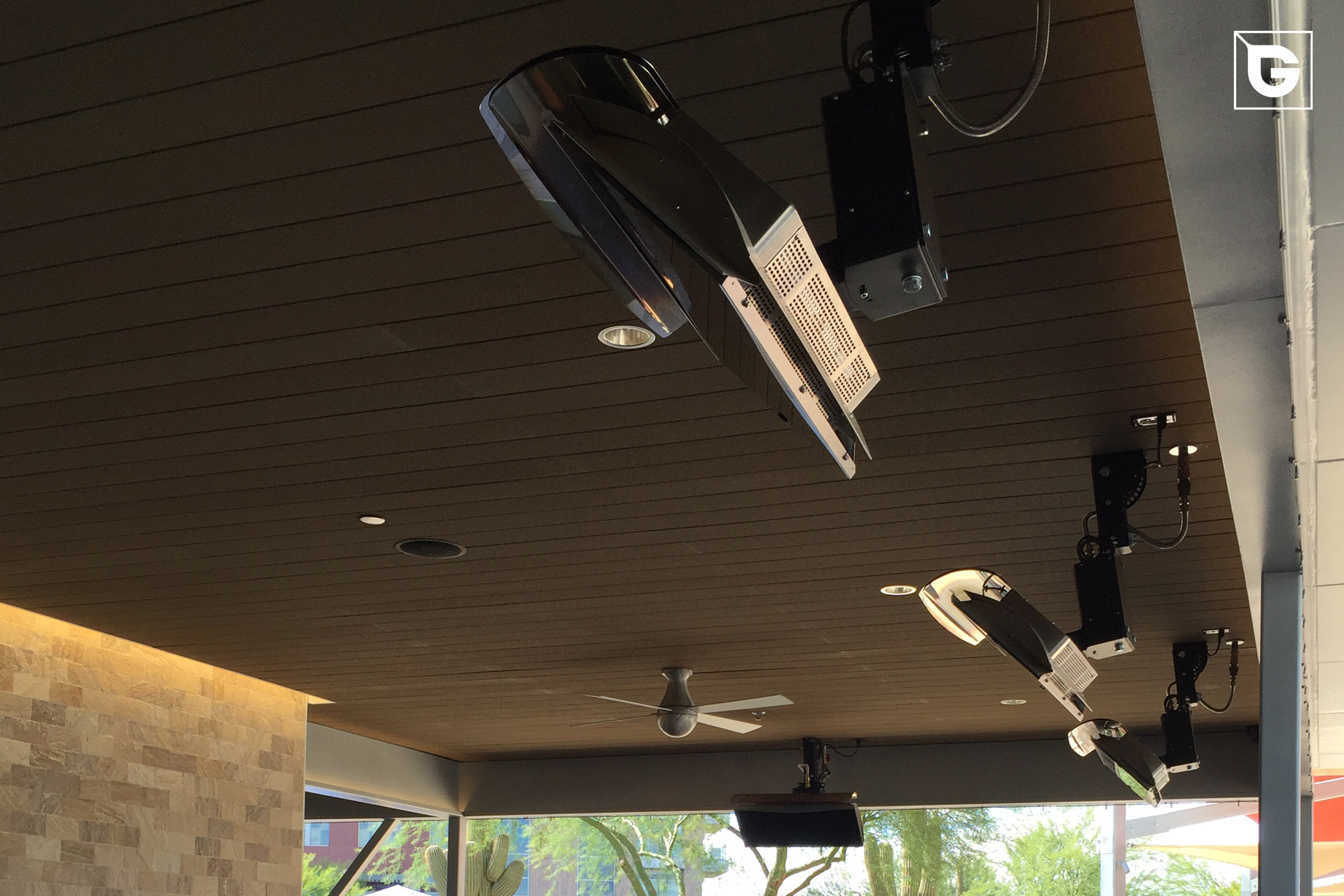
The point of replacing it is not doing this again.
Most cladding replacement decisions trace back to a maintenance schedule that stopped being worth it, restaining cedar, repainting fiber cement, patching cracked vinyl, or deciding to replace brick veneer with cladding that needs less structural support. Vertigo 5010’s routine care is soap and water, with no staining, sealing, or repainting cycle to schedule around.
Surface scratches can be sanded out in place rather than requiring board replacement, and the 10-year warranty covers splitting, rot, and termite or fungal decay, the same failure modes that drive asbestos cladding replacement and other older-material renovation projects.
The same weather that aged the old cladding is still out there.
Whatever caused the original material to fail, freeze-thaw cycling on cedar, UV brittleness on vinyl, sustained humidity behind an EIFS system, is still the climate the replacement has to perform in. Even a well-installed alternative to shiplap cladding will face the same exposure the old boards did. A material swap that doesn’t change how it handles that exposure just resets the clock on the same failure.
Among the best cladding solutions for retrofitting aged buildings, Vertigo 5010’s finish is tested for weather resistance under DIN ISO 16474-2 and color stability under JIS K5400, and the aluminum core doesn’t expand and contract with humidity the way solid wood does.
Who makes this cladding replacement material?
Geolam, Inc. is headquartered in Toronto, Ontario, and is the exclusive North American importer and distributor of Geolam® architectural building products manufactured in Japan. The co-extrusion technology behind Vertigo 5010, an aluminum core bonded to a wood-fiber composite skin, was developed in Japan in the 1990s and applies identically whether the project is new construction or a full cladding renovation.
Wood Hybrid Systems, the triple-extrusion process behind that construction, reached the global market in 2012. Geolam, Inc. is SAM.gov registered for U.S. government work, supplies both commercial contractors and homeowners looking to replace cladding on house projects, and keeps standard Vertigo 5010 colors stocked in the USA.
Certifications & performance attributes
The same documentation applies whether this is new construction or an alternative to wood cladding on an existing building.
Installs over existing framing
Furring or hangers attach to sound structure after inspection.
Non-combustible
ASTM E136 tested, relevant for ACM cladding alternatives.
No refinishing cycle
The real answer to how much does it cost to replace cladding, is nothing to reapply on schedule.
10-year warranty
Starts fresh at installation, not prorated against the old material.
Built with this cladding replacement material
Explore commercial projects using this aluminum-core profile across North America.
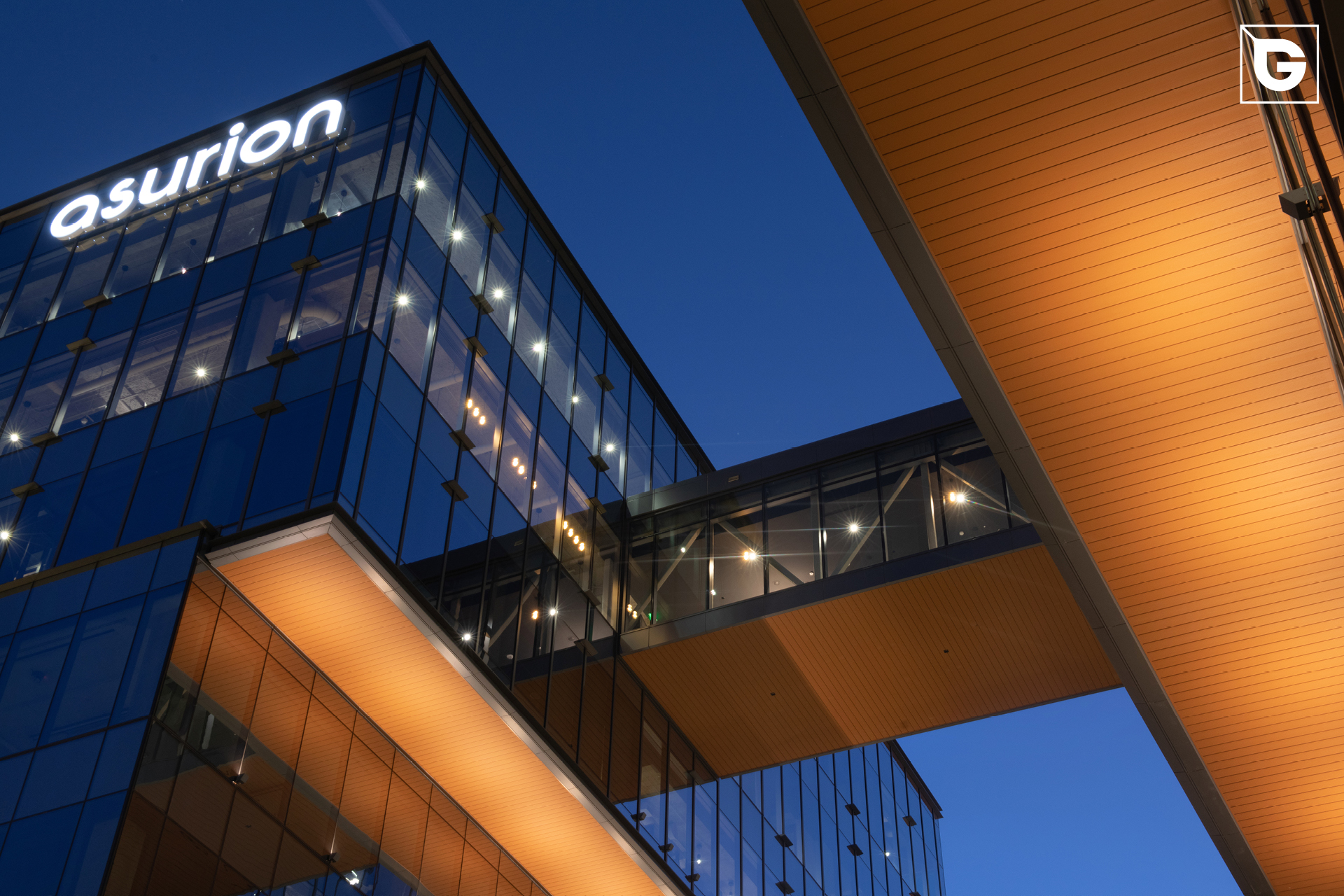 Asurion HQ — TennesseeVertigo 5010, Bilinga — office building
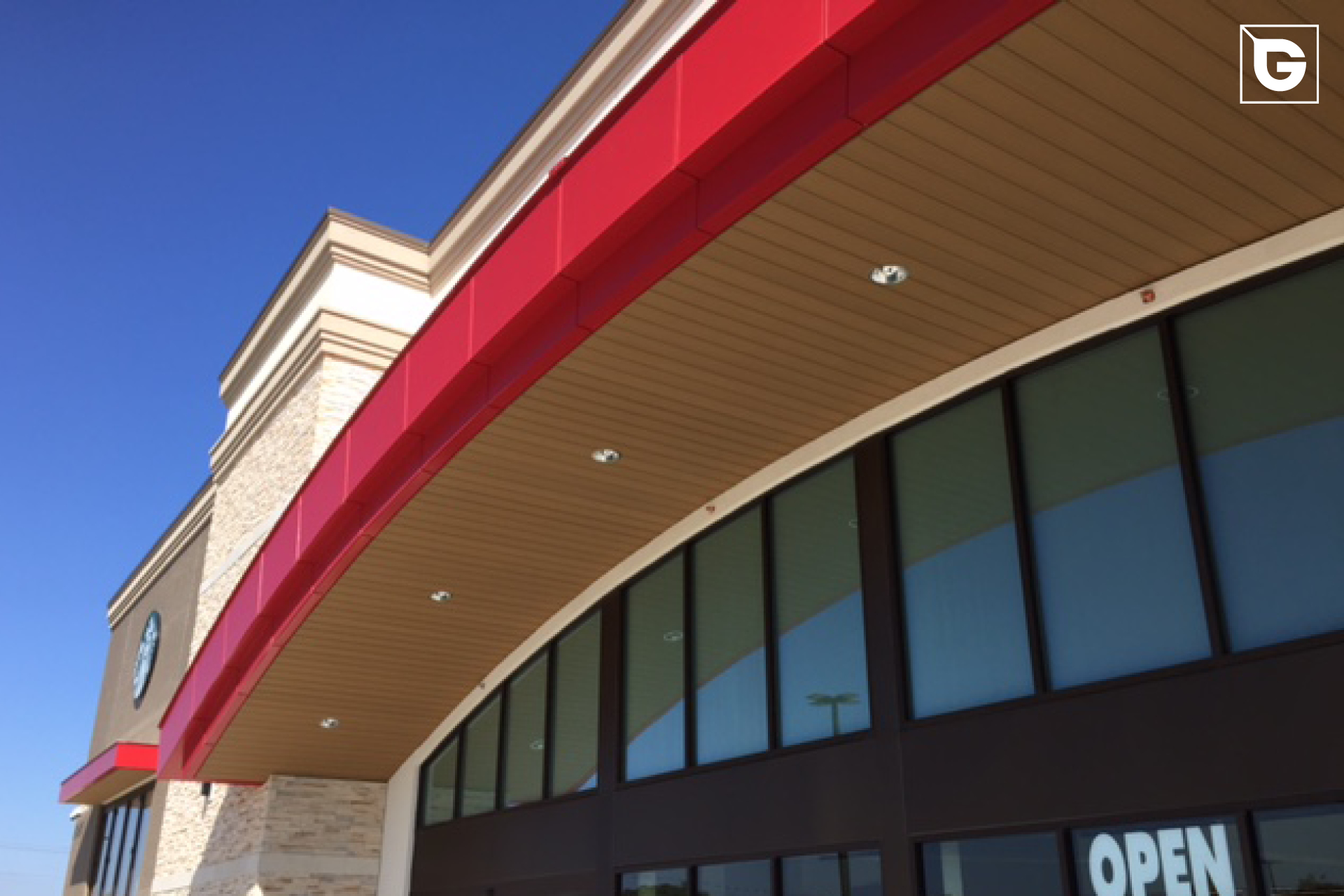 Cosentino’s — MissouriVertigo 5010, Teak — office building
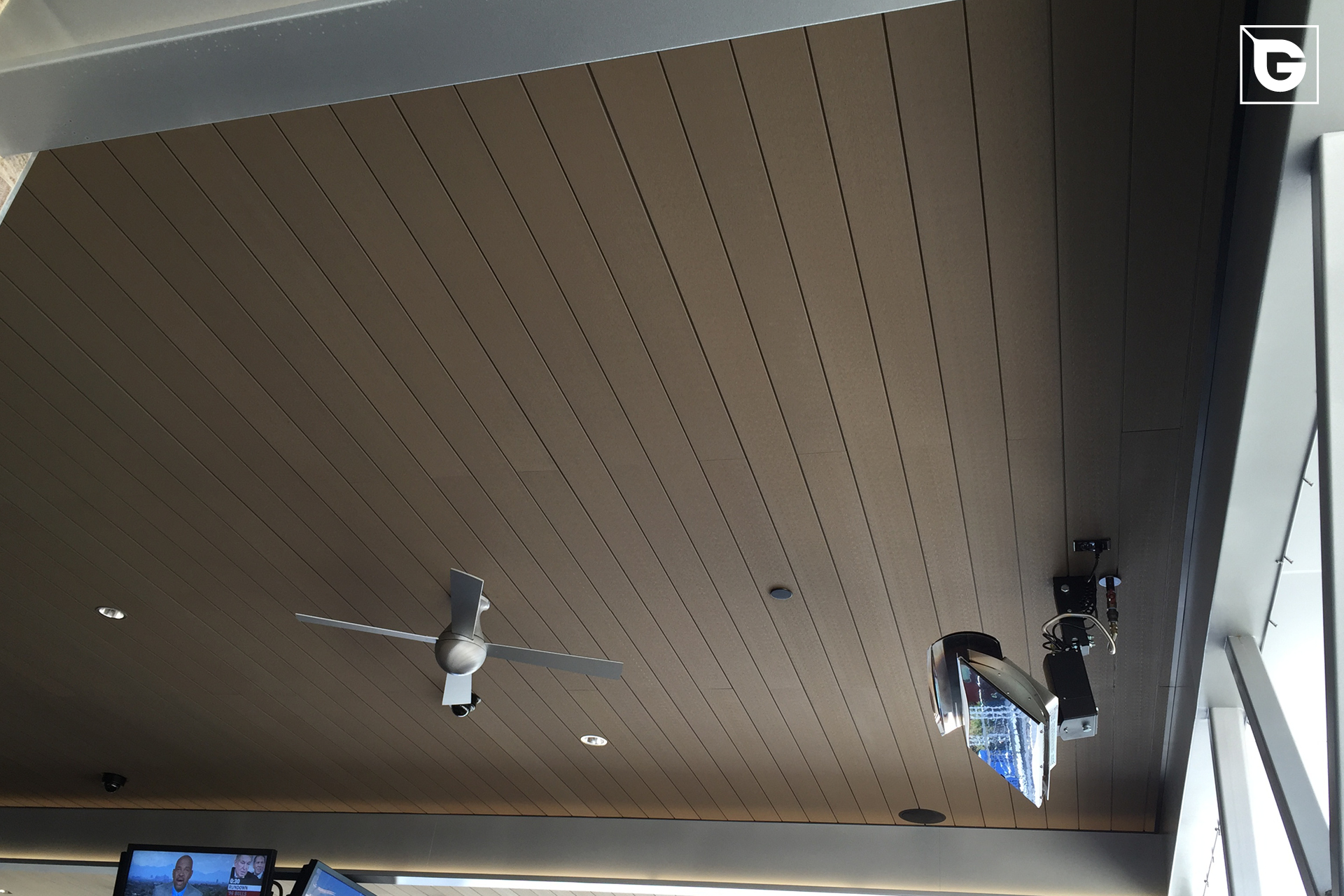 Talking Stick — ArizonaVertigo 5010, Rosewood — hospitality
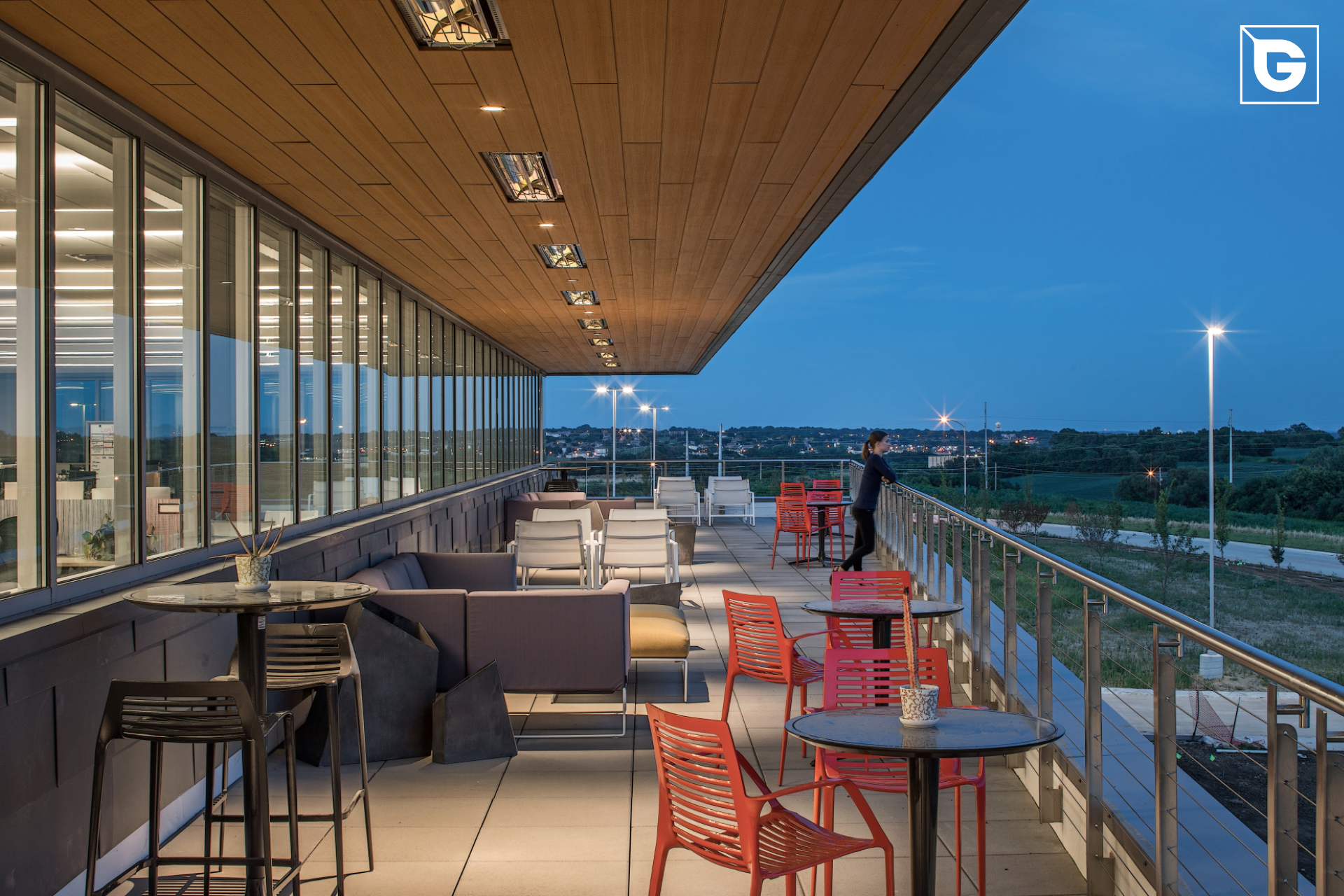 Thrasher + Supportworks HQ — NebraskaVertigo 5010, Rosewood — office building
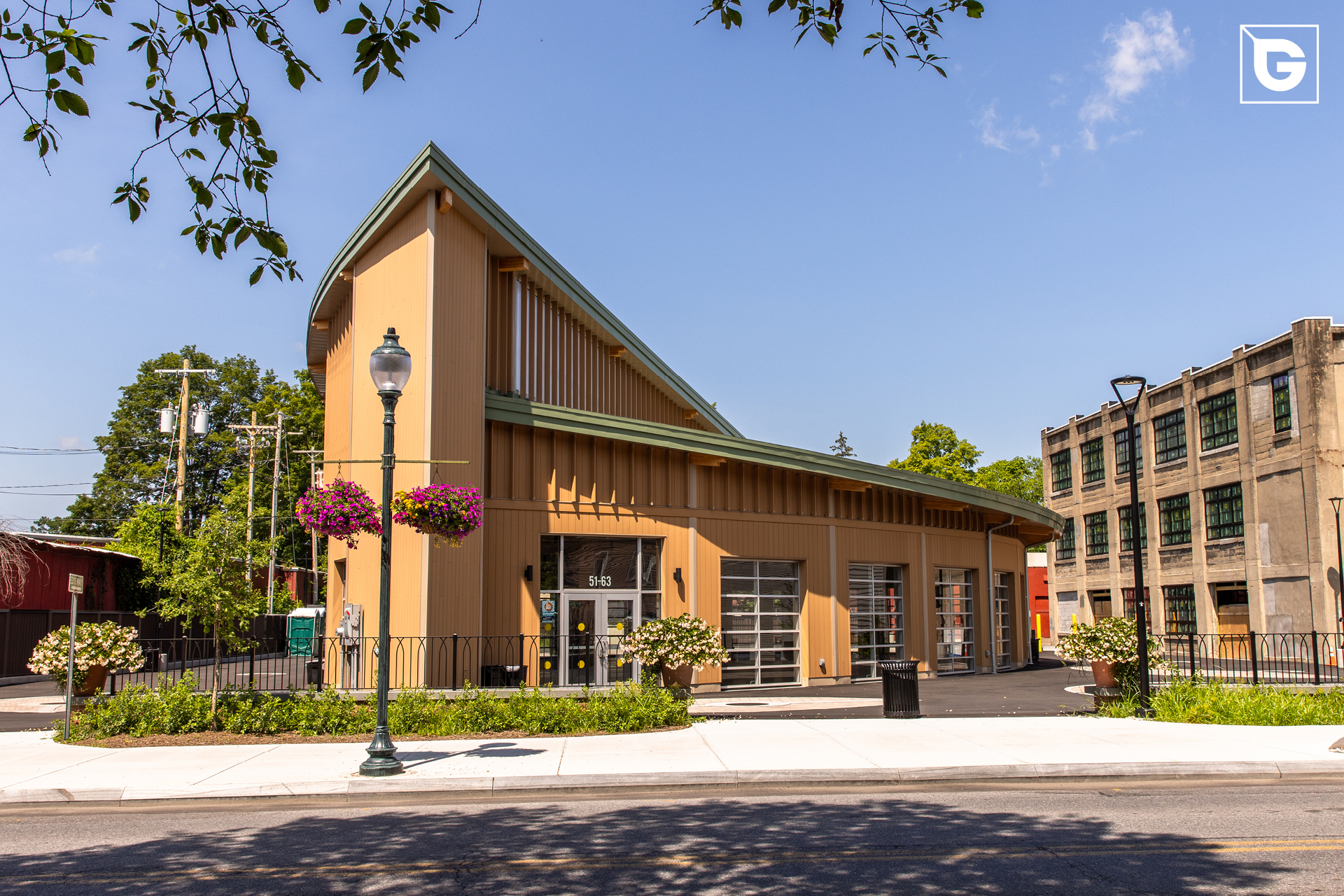 Glens Falls Farmers Market — New YorkVertigo 5010, Teak — public building
From a Tennessee tech HQ to a New York public market, these five projects are real, documented installations pulled from Geolam’s own project gallery, none of the photography above is reused from the other cladding pages on this site. Commercial scope varies from how much to replace cladding on house projects, but the material and installation logic stay the same. The gallery here is a small sample; Geolam’s full project archive includes more than 80 named commercial installations across North America.
See All Projects in the GalleryStandard finishes
Six wood-look tones, one sanded surface.
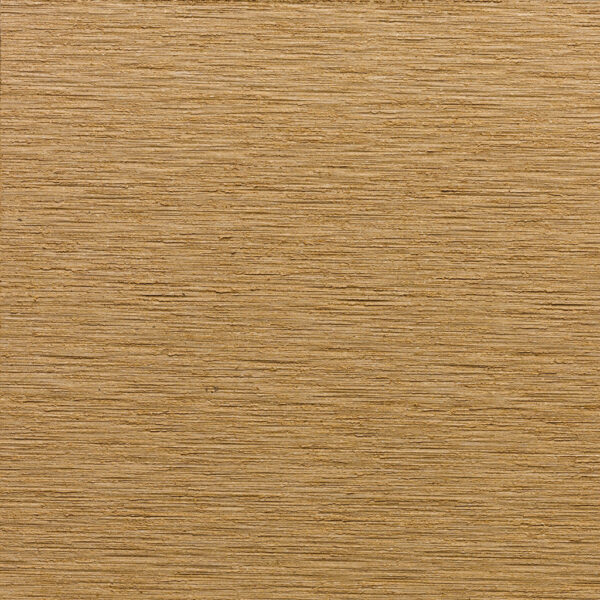
Teak
Warm, golden hardwood tone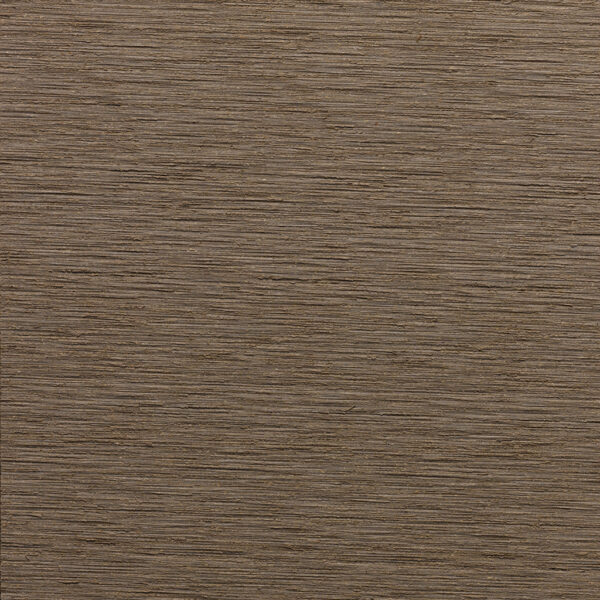
Moleskin
Cool, driftwood grey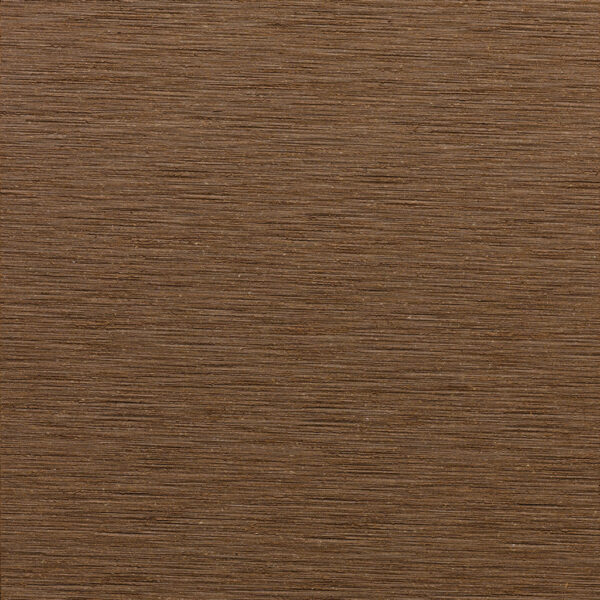
Rosewood
Deep reddish hardwood tone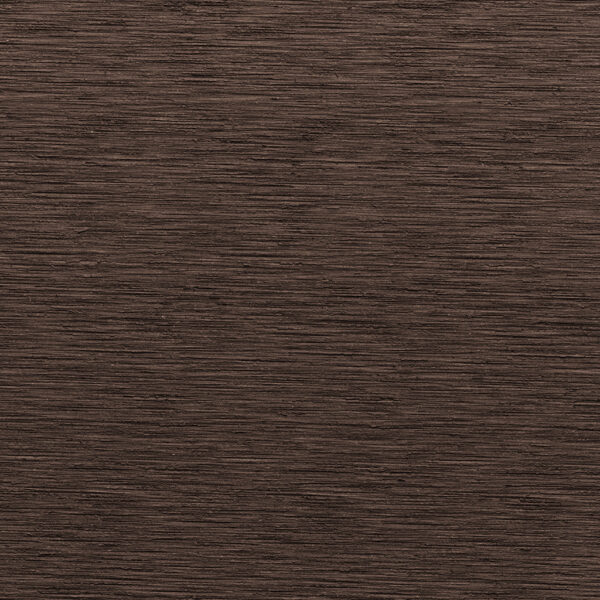
Ebony
Near-black, low-sheen finish
Carbon*
Deep matte black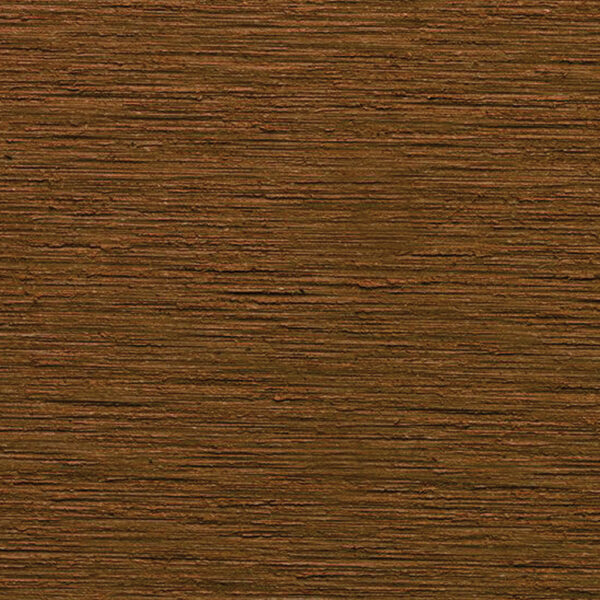
Bilinga*
Rich amber-brown hardwood tone*Non-standard color, 90-day lead time, 5,000 lineal ft minimum.
A replacement project doesn’t have to mean settling for whatever lightweight cladding for interior renovations suppliers can ship fastest, if it reads as obviously synthetic. The natural texture and aesthetic here hold up in both vertical wall runs and horizontal soffit applications. All four standard colors, Teak, Moleskin, Rosewood, and Ebony, carry the same sanded finish used on new construction and are stocked in the USA with no minimum order.
Carbon and Bilinga are available as special-order colors with a 90-day lead time and a 5,000 lineal foot minimum. Request a physical sample before committing a full elevation, particularly useful when matching or updating an existing building’s palette, and worth factoring into the cost to replace cladding on house-scale projects before ordering a full run.
Request Physical Samples
See it in 3D
Rotate, zoom, and switch colors on a real render of Vertigo 5010 before you request a physical sample.
Colors
Cladding replacement cost: what actually drives it
Pricing varies too much by project to quote a single number honestly. Here’s what actually drives it.
Get a project-specific number
Send your elevation area, existing material, and location to your local rep for an accurate quote, no guessing from an online calculator.
Request a Quote Find Your Local RepWhat architects say
Architects on specifying Geolam Vertigo 5010.
“We chose Vertigo 5010 for the soffits because it has the aesthetics of wood with zero maintenance.”
“Vertigo 5010 was the perfect product to navigate the complex geometries of the design with clean joinery and easy installation.”
“We chose Vertigo 5010 for its rich wood aesthetics and low maintenance.”
Cladding replacement, common questions
How do I know if my cladding needs to be replaced?
Common signs include cracking or checking that exposes bare wood, persistent staining or dark streaks suggesting moisture behind the panels, boards that are cupping or warping, and a repainting or restaining cycle that’s become more frequent than it used to be. If moisture has reached the sheathing, that’s a stronger signal to replace rather than repair.
What does cladding replacement typically cost?
It varies significantly by project, driven mainly by removal and disposal of the old material, what’s found underneath during inspection, and total square footage. There’s no reliable flat number, get a quote based on your specific elevation area and existing material rather than a generic online estimate.
Can new cladding be installed directly over existing siding?
Sometimes, but it depends on the condition of what’s underneath. If the existing material and sheathing are sound, furring can sometimes go directly over it. If there’s any suspicion of moisture damage or rot, removing the old cladding first for inspection is the safer approach, skipping that step is how hidden damage gets sealed in rather than fixed.
Is composite cladding a good alternative to cedar?
For most owners tired of the restaining cycle, yes. An aluminum-core hybrid composite delivers a comparable wood-grain appearance without cedar’s checking, cupping, and recurring maintenance. The trade-off is that it’s not solid, unmodified wood, a distinction worth understanding rather than assuming it’s identical.
What’s the difference between cladding refurbishment and full replacement?
Refurbishment typically means cleaning, repainting, or repairing sections of existing cladding still structurally sound. Replacement means removing the material entirely and installing something new, usually because the existing material has failed beyond what refinishing can fix, or because a fire-code or performance upgrade is required.
Do I need to replace ACM cladding for fire safety reasons?
It depends on the specific ACM product, the building’s occupancy type, height, and your local jurisdiction’s current code requirements. If you’re unsure whether your building’s ACM system meets current fire code, consult your local code official or a qualified engineer rather than relying on general guidance, requirements vary significantly by location.
How long does a typical cladding replacement project take?
Timeline depends heavily on square footage, whether the old material comes off in good condition or reveals repair work underneath, and whether the building stays occupied during construction. A small commercial facade might take a few weeks; a larger or more complicated retrofit can run longer. Your contractor can scope an accurate timeline once the existing conditions are inspected.
Can I replace just a damaged section instead of the whole facade?
Sometimes, if the damage is isolated and the rest of the existing material is in good condition and still available in a matching profile and color. For failing materials like aging vinyl or checked cedar, though, damage often indicates a broader problem that’s likely to show up elsewhere soon, so a full assessment before deciding on a partial versus full replacement is worth the time.
Does replacing cladding improve a building’s energy performance?
It can, depending on what’s done at the same time. Replacement is a practical opportunity to address a compromised weather barrier or add exterior insulation while the wall is already open, improvements that are much more disruptive to make later. The cladding material itself has a smaller direct effect than what happens to the assembly behind it.
What’s a good lightweight alternative for interior cladding renovations?
For interior feature walls or renovation work where structural loading is a concern, a thinner composite profile is usually preferable to heavier materials like stone or thick fiber cement. Confirm weight-per-square-foot and attachment requirements with your supplier before specifying for an interior retrofit application.
Where can I get a sample before committing to a replacement material?
Request a physical sample directly from the manufacturer rather than judging a finish from a photo, especially important when trying to match or complement an existing building’s palette. Geolam ships physical samples of Vertigo 5010 in its standard colors on request.
Ready to plan your replacement?
Order a physical sample box, or get a project-specific quote from a Geolam representative.
