
Exterior Wall Cladding
Aluminum-wood composite cladding for the outside of a building, weather-resistant, low-maintenance panels built with Geolam’s co-extruded Vertigo profile.
The material that protects your building’s exterior.
Exterior wall cladding, also called wall cladding external, external wall cladding, or simply cladding for walls outside, is the material covering a building’s exterior. Its job is straightforward compared to an interior finish: keep weather out, survive years of sun and rain, and look intentional the whole time. Exterior wall cladding panels come in aluminum, composite, fiber cement, wood, and PVC, each trading off cost, appearance, and how long it actually holds up outdoors.
Built for exposure
Rated for sun, rain, and temperature swings year-round.
Non-combustible
ASTM E136 tested.
Retrofit-friendly
Suited to new construction and re-cladding existing walls.
10-year warranty
Non-prorated.
Why exterior cladding fails, and how the assembly prevents it.
Most exterior wall cladding failures aren’t the panel itself, they’re moisture trapped behind it. Here’s the assembly that prevents that.
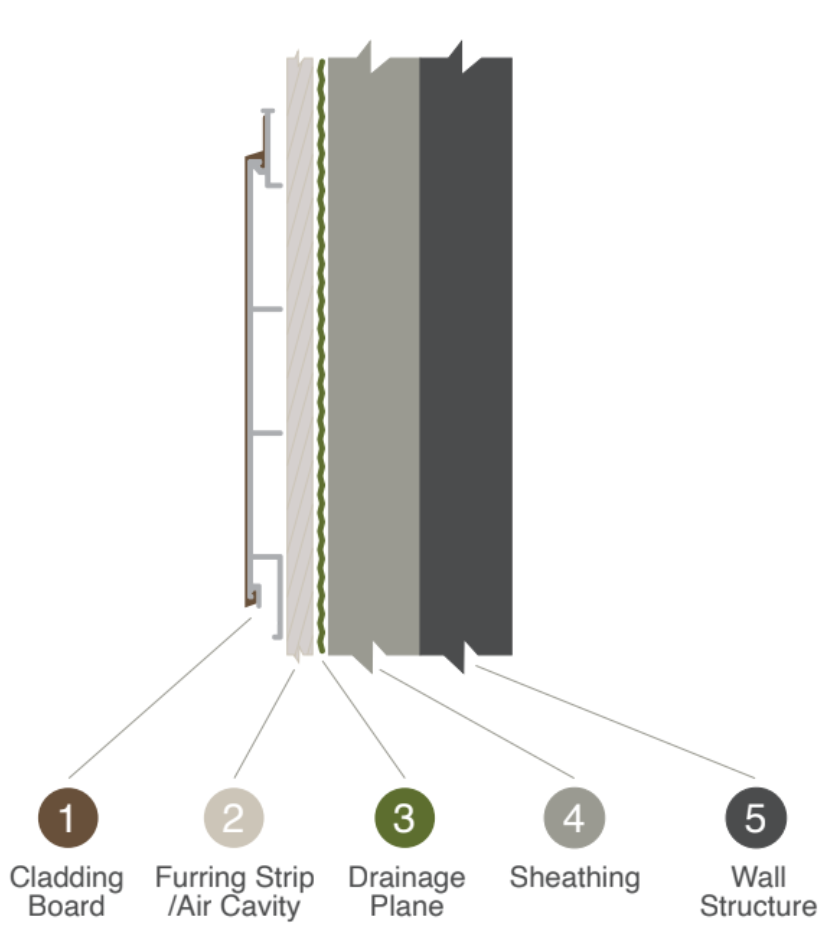
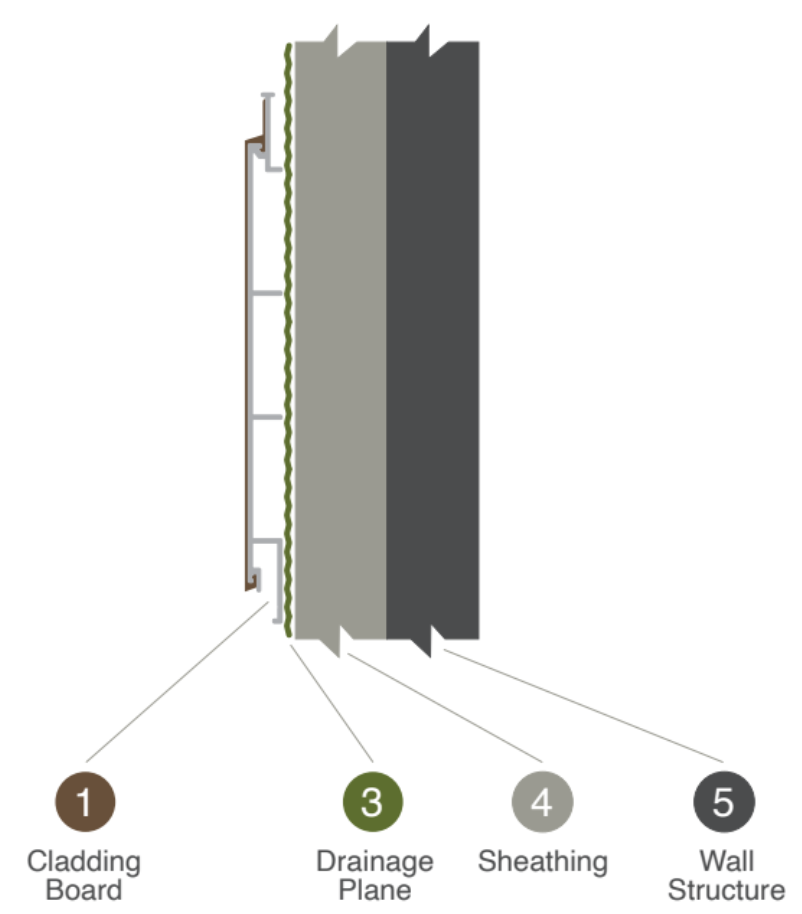
Most failures start here: water gets past the panel joints and has nowhere to go if there is no cavity or drainage. On a re-clad job over an existing wall, layers 2–3 are what usually get added that weren’t there before.
- The visible failure: staining, warping, or fading is usually the symptom, not the cause. It shows up on the panel, but the real problem is often what’s happening behind it.
- The actual cause: trapped moisture behind the panel, from wind-driven rain forced through joints with nowhere to drain, is what shortens the life of exterior wall cladding systems.
- Why an air gap fixes it: a ventilated cavity lets wind pressure equalize and any water that gets through drain and dry, instead of sitting against the sheathing.
- Retrofitting an existing wall: re-cladding a building that never had a cavity is a common cladding project, adding furring and a drainage plane, not just the panel.
Which exterior wall cladding product should you buy?
Five material categories cover most exterior wall cladding products on the market. Here’s how they compare.
| Material | Maintenance | Appearance | Durability | Moisture Resistance |
|---|---|---|---|---|
| CompositeGeolam Vertigo 5010 | Low | Natural wood look | High | Excellent |
| Wood | High | Natural | Moderate | Moderate |
| Fiber Cement | Some future refinishing | Modern | High | High |
| Aluminum | Regular cleaning | Solid-color | High | Excellent |
These are general category patterns, not lab-tested claims about specific competing products. Actual performance varies by manufacturer.
Whether described as exterior WPC wall cladding or wpc external wall cladding, standard WPC wins on cost but loses ground to aluminum-backed composites on long-term dimensional stability. If budget is the only constraint, PVC wins upfront and loses on fire performance and long-term appearance. If the project is a re-clad rather than new construction, weight and fastening compatibility with the existing structure often matter more than the material comparison itself, aluminum-backed composites are lighter than fiber cement, which simplifies a retrofit.
Modern exterior wall cladding trends lean toward materials that read as low-maintenance without looking industrial, which is the gap composite hybrids like Vertigo 5010 are built to fill: an aluminum core for the durability column, a real wood-grain face for the appearance column.
Who supplies Vertigo 5010 exterior wall cladding?
External wall cladding products, aluminium external wall cladding included, are supplied in standard stock colors and in special-order colors with longer lead times. Geolam, Inc. is the exclusive North American importer and distributor of Vertigo 5010 and stocks standard colors in the USA, so exterior wall cladding suppliers can quote standard colors from stock.
To request pricing or samples, contact Geolam or your local Geolam sales representative.
Built to take the weather, not just look good in it.
Vertigo 5010’s aluminum core is what carries the outdoor performance case, non-combustible, dimensionally stable, and resistant to the warping that shortens the life of ordinary exterior wall cladding.
Get Your SamplesVertigo 5010: Geolam’s Exterior Wall Cladding Panel
Vertigo 5010 is built by co-extruding an aluminum core with a sanded wood-composite face, rated for exterior exposure. Here’s the full spec sheet.
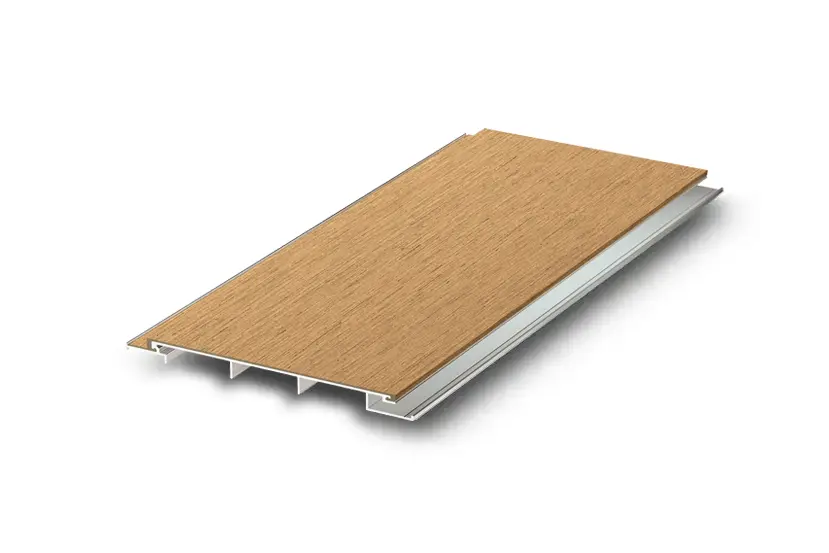
| Thickness | ½” | 13mm |
| Total width | 7¼” | 184mm |
| Usable width (exposure) | 6¼” | 160mm |
| Standard length | 12 ft | 3.66m |
| Custom lengths | 7 ft – 19’8″ | 2.15m – 6m |
| Weight | 0.80 lb/ft | 1.19 kg/ml |
| Fire rating | Non-combustible, ASTM E136 (appendix) |
| Core | Anodized aluminum alloy A6063S-T5 |
| Max tensile strength | 186 MPa |
| Modulus of elasticity | 68.9 GPa |
| Surface finish | Sanded (natural wood-grain color variation) |
| Warranty | 10-year non-prorated |
*Non-standard color, 90-day lead time, 5,000 lineal ft minimum.
How Vertigo 5010 Performs in Exterior Wall Applications
Aluminum is the material Vertigo 5010 is most often specified against: sublimated wood-look aluminum. Here is how they compare.
| Parameter | Geolam Vertigo 5010 | Sublimated Aluminum |
|---|---|---|
| Surface Appearance | ✓ Real sanded wood-composite face, natural grain variation. | ✗ Paint, a wood-pattern film or a sublimated print over metal. |
| Ease of Installation | ✓ Arrives jobsite-ready, with or without furring. | ✗ Field-cut unfinished ends and touch-up paint required. |
| Ongoing Maintenance | ✓ Cleaning rarely needed. No staining or sealing. | ✗ Annual cleaning schedule to keep the finish warranty. |
| Scratch Repair | ✓ Scratch-resistant. Light surface scuffs can be sanded. | ✗ Finish scratches show. Repairs are touch-ups only. |
| Custom Lengths | ✓ Up to 19’8″ (6m). | ✗ Typically fixed 12’–24′ standard lengths. |
| Warranty | ✓ 10-year non-prorated warranty. | ✗ Metal often carries a 50-year warranty, but the printed finish warranty is commonly about 1 year under strict terms. |
| Fire Rating | ✓ ASTM E136 non-combustible. | ✓ ASTM E136 non-combustible. |
| End-of-Life Recyclability | ✓ Fully recyclable. | ✓ Fully recyclable. |
Based on Geolam’s comparison sheets. Individual aluminum products vary by brand. Geolam also compares Vertigo 5010 with inkjet-printed aluminum, terracotta baguettes, HPL phenolics, solid WPC and rice hulls/PVC.
See the Geolam vs. Aluminum Comparison SheetsAn eco-friendly material that lasts.
Outdoor exposure is what tests a recycled-content material’s real durability claims, not a lab spec sheet. Geolam’s wood fiber is dried to 0% moisture before extrusion, which is what actually prevents the warping and rot that undoes lower-grade composites after a few seasons outside. The material is 70–80% recycled content, fully recyclable, and certified under the Japan Environmental Association’s Eco-Mark and ISO 9001/14001.
The aluminum core, sourced largely from recycled material, is what carries the outdoor performance case specifically: it doesn’t absorb water, isn’t subject to the moisture cycling solid wood goes through, and the profile carries an ASTM E136 non-combustible classification, a genuine advantage on any project where exterior fire rating is scrutinized.
Why exterior durability cannot be an afterthought.
Interior finishes get replaced on a design cycle, when a look feels dated. Exterior wall cladding gets replaced when it fails, when water gets behind it, when a fastener corrodes, when a solid-wood board finally warps past the point of looking intentional. That’s a different kind of decision: durability isn’t a nice-to-have on the outside of a building, it’s the whole point.
The cost of getting it wrong compounds too, water damage behind a failed exterior wall cladding system doesn’t stay contained to the cladding, it reaches sheathing, framing, and interior finishes if it goes unnoticed long enough. Specifying a system engineered around that failure mode, not just picking a material for how it looks in a rendering, is the actual job.
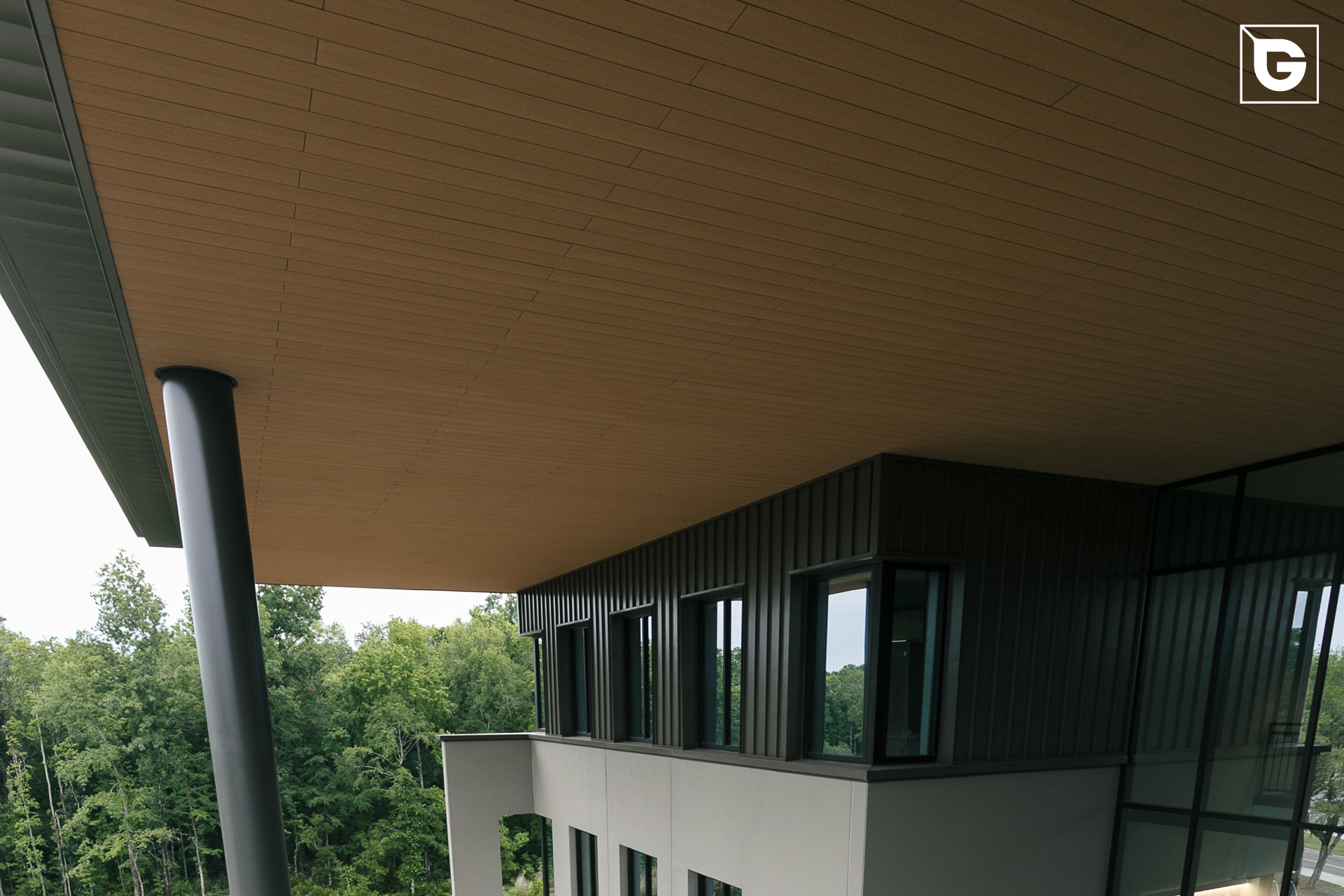
What upkeep looks like once it is on the building.
Exterior wall cladding maintenance is really a question of what a material needs to keep looking the way it did on day one. Vertigo 5010’s answer: no staining, sealing or refinishing, ever. In most climates, wind, rain and sun keep the surface clean on their own. Light surface scuffs can be sanded.
The aluminum core carries the structural durability case outdoors specifically: it doesn’t rot, doesn’t attract termites or fungal decay, and doesn’t warp season to season the way an all-wood exterior board does as it dries and re-wets.
Every climate stresses exterior cladding differently.
Freeze-thaw cycles, sustained humidity, and high-UV exposure each attack exterior wall cladding through a different mechanism, and a material that handles one poorly usually shows it within a few years. Freeze-thaw climates expand any trapped moisture behind the panel, which is what cracks a poorly ventilated assembly; a proper cavity and drainage plane prevent the moisture from accumulating in the first place.
High-UV, high-heat climates instead test the finish directly: solid wood and lower-grade composites can warp or fade unevenly under sustained sun exposure. Vertigo 5010’s aluminum core resists that warping structurally, while the sanded finish is weathering-tested to 5,000 hours (JIS A 1415).

Who makes Geolam exterior wall cladding?
Geolam, Inc. is headquartered in Toronto, Ontario, and is the exclusive North American importer and distributor of Geolam® premium exterior building products manufactured in Japan. The underlying hybrid wood-aluminum technology was developed in Japan in the 1990s, solving a problem that had limited standard wood-plastic composites for decades: bonding wood fiber and plastic reliably by removing moisture from the wood before extrusion.
In 2012, Geolam introduced Wood Hybrid Systems (WHS), triple-extrusion profiles combining an aluminum core with a wood-composite face, as the first product of its kind brought to the global market.
Certifications & performance attributes
Weather-resistant
Built to shed rain, resist UV, and handle temperature swings year-round.
Non-combustible
ASTM E136 tested, fits commercial exterior fire-rating requirements.
Zero refinishing
Cleaning rarely needed, and no staining or sealing cycle.
Retrofit-ready
Suited to new construction and re-cladding existing exterior walls.
Built with Geolam Exterior Wall Cladding
Explore commercial projects using this exterior wall cladding system across North America.
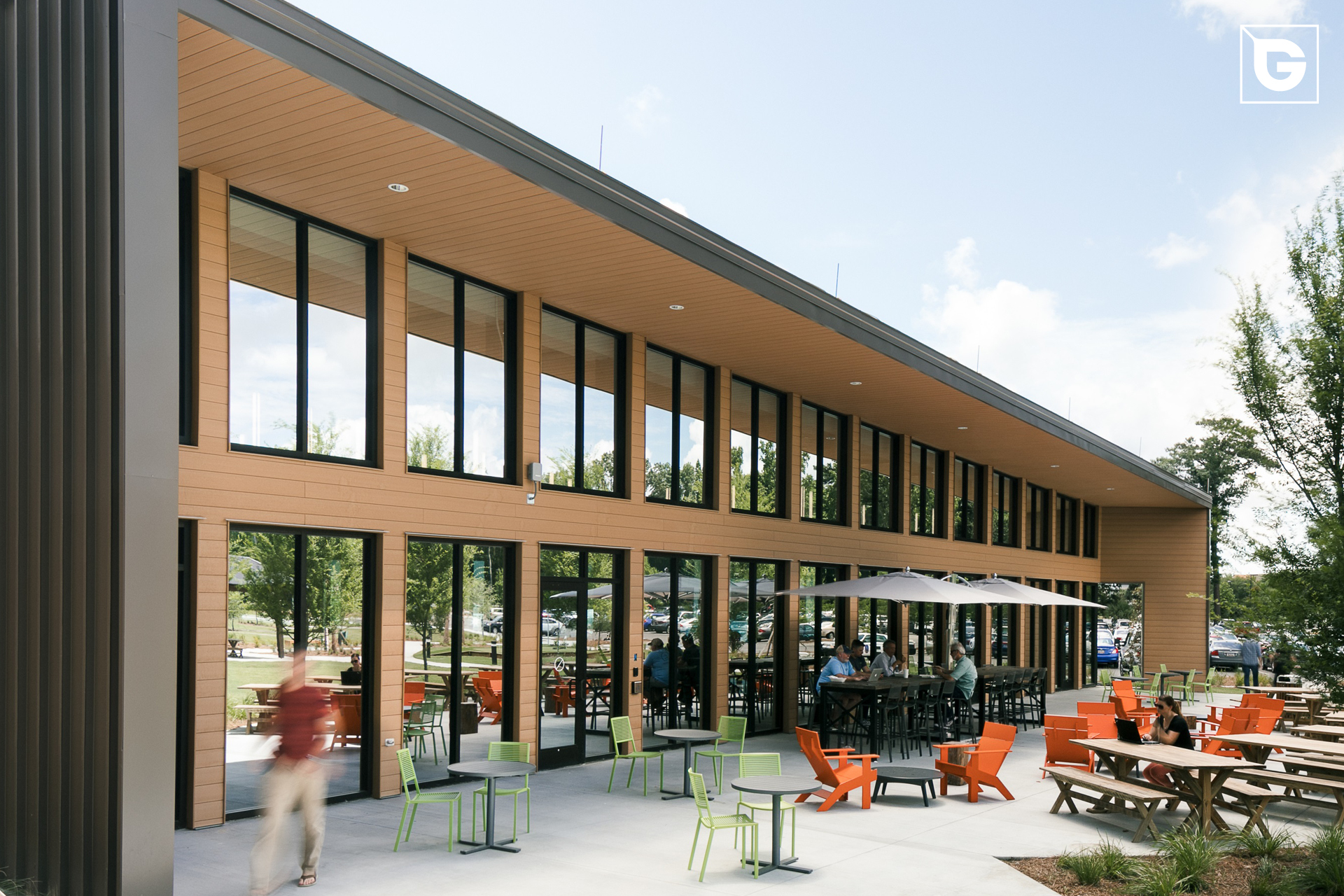
Blackbaud HQ, Daniel Island, SC
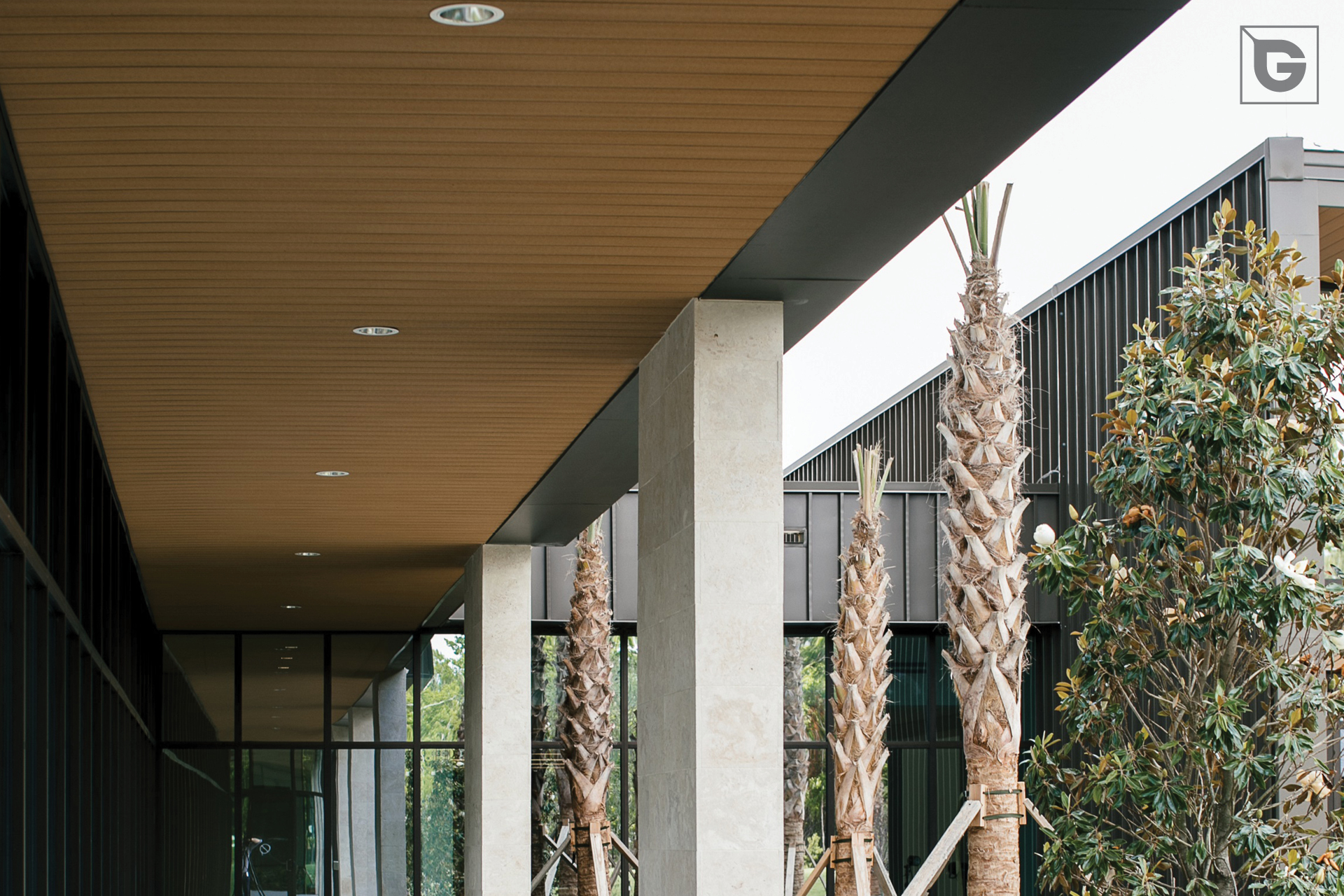 Blackbaud HQ Detail
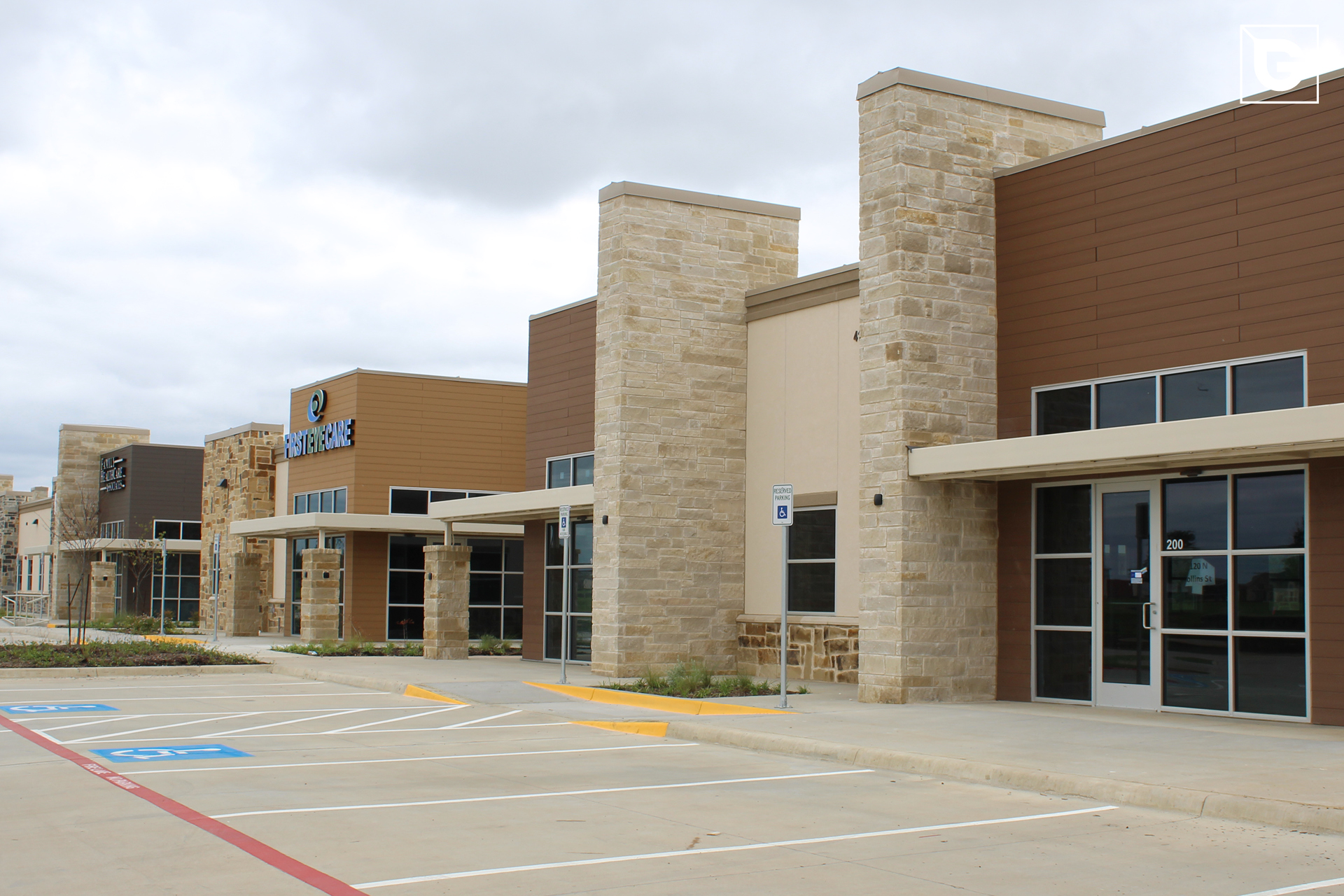
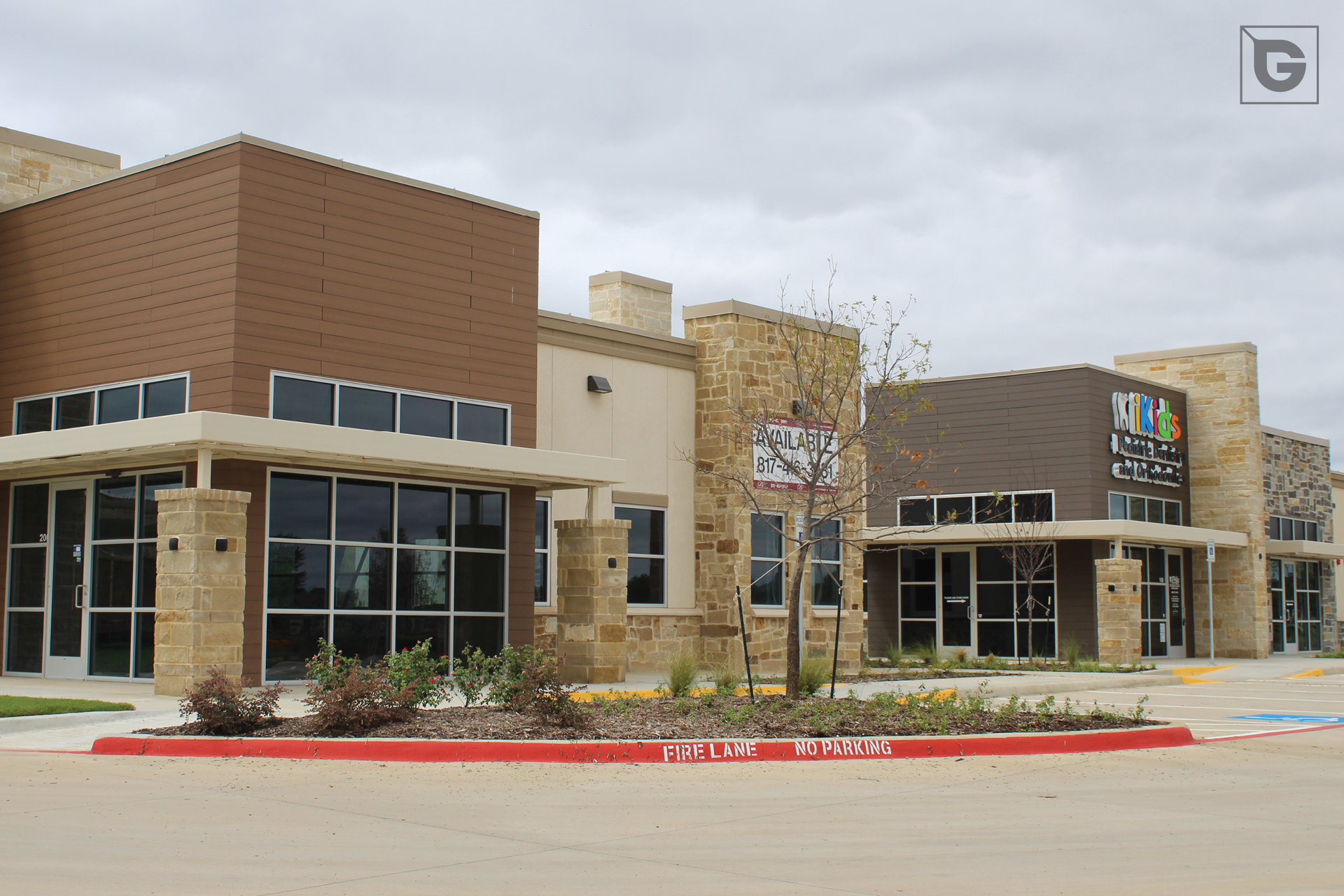 Viridian Medical Park, TX
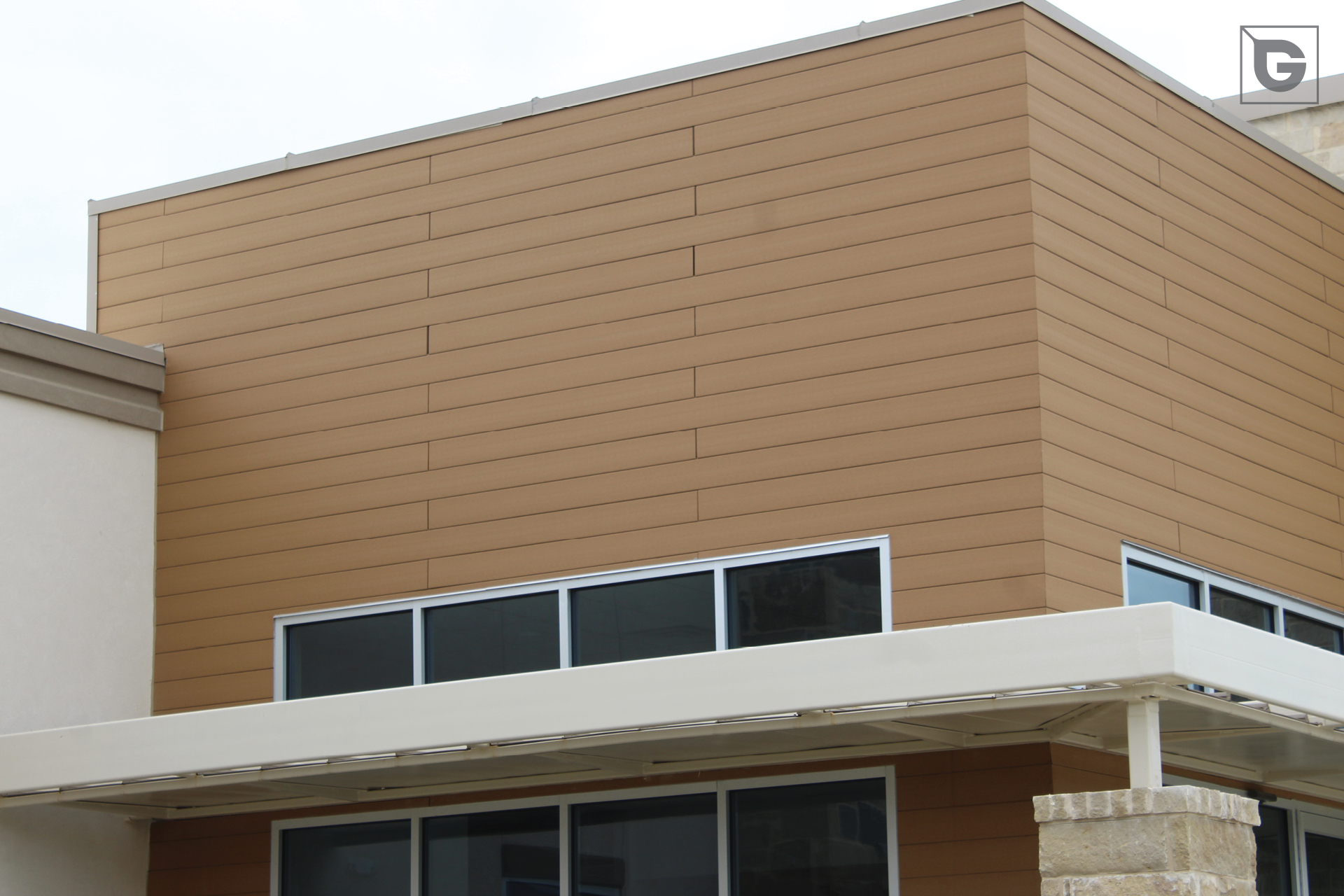 Viridian Medical Park Detail
 Browse Full Gallery →
Blackbaud HQ and Viridian Medical Park both use Vertigo 5010 as exterior wall cladding across very different climates, coastal South Carolina and high-heat Texas, proof the same product holds up regardless of regional weather. Both projects sit within a broader archive of 80-plus named commercial installations, spanning coastal, humid, and high-UV climates across North America.
See All Projects in the GalleryStandard finishes
Consistent across the Vertigo range.
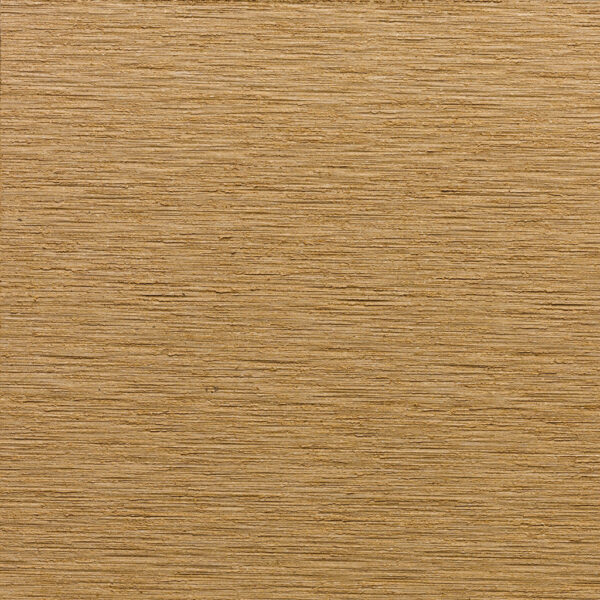
Teak
Warm, golden hardwood tone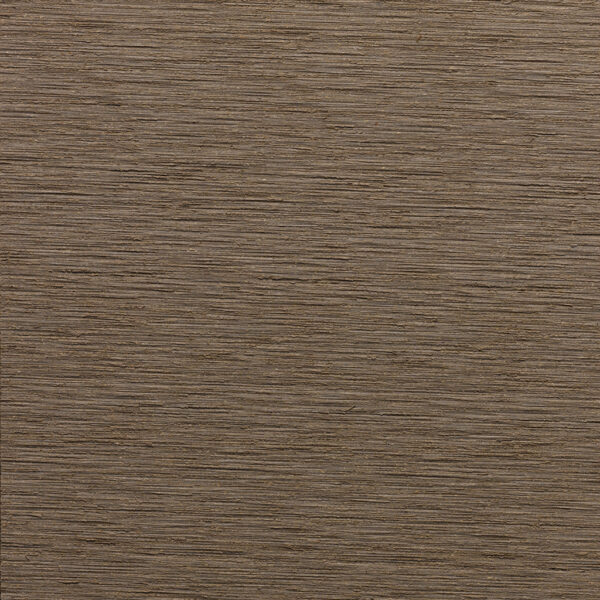
Moleskin
Cool, driftwood grey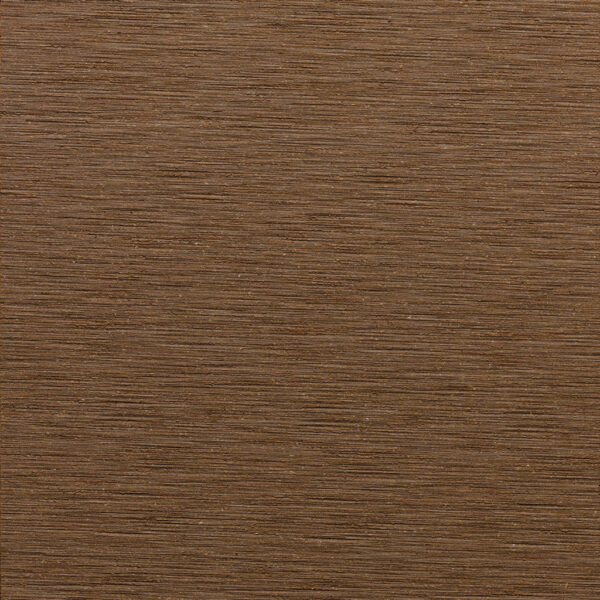
Rosewood
Deep reddish hardwood tone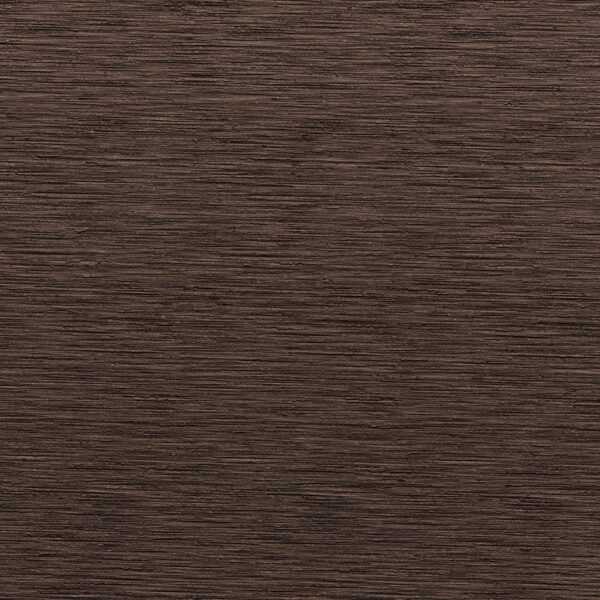
Ebony
Near-black, low-sheen finish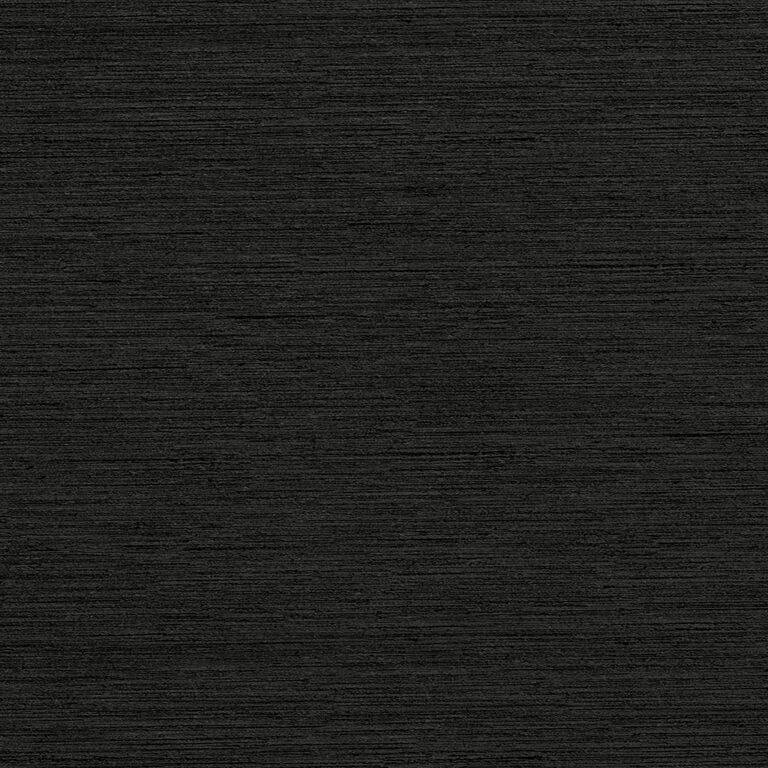
Carbon*
Deep matte black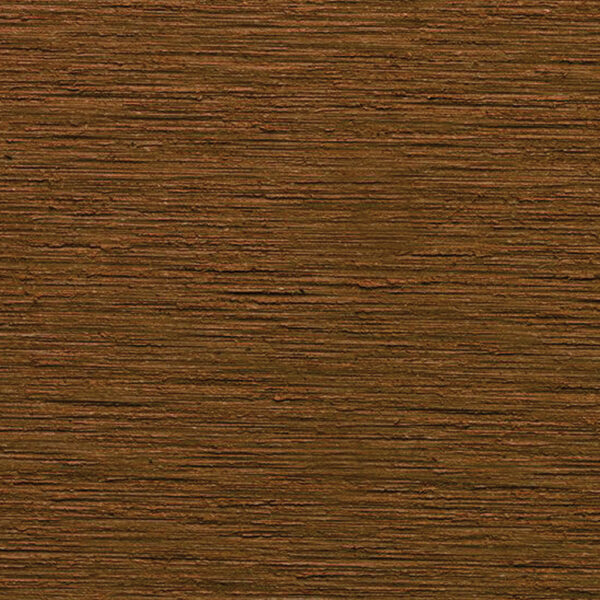
Bilinga*
Rich amber-brown hardwood tone*Non-standard color, 90-day lead time, 5,000 lineal ft minimum.
Decorative exterior wall cladding, and decorative external wall cladding more broadly, lives or dies on how the finish reads in direct sunlight, which is a harder test than any showroom or screen. That applies to aluminum exterior wall cladding just as much as composite. All four standard colors, Teak, Moleskin, Rosewood, and Ebony, ship with the same sanded surface and are stocked in the USA with no minimum order.
Carbon and Bilinga ship as special orders rather than stock items; fully custom colors need a 6,000 lineal foot commitment. Request a physical sample and view it outdoors, in the actual light the finished wall will sit in, before committing a full elevation.
Request Physical Samples
See it in 3D
Rotate, zoom, and switch colors on a real render of Vertigo 5010 before you request a physical sample.
Colors
What affects exterior wall cladding cost?
New construction and re-cladding price out differently. Here’s what actually drives the number.
Talk to a rep before you budget
Send your elevation area, new build or re-clad, preferred finish, and location to your local rep for an accurate quote.
Request a Quote Find Your Local RepWhat architects say
Architects on specifying Geolam Vertigo 5010.
“We chose Vertigo 5010 for its rich wood aesthetics and low maintenance.”
“We loved the Vertigo 5010 for its ease of installation in both vertical and horizontal applications, as well as the clean integration with accent lighting.”
“Given that the atrium would be susceptible to the elements and cars, Geolam was utilized for its durability and low maintenance.”
Exterior wall cladding, common questions
How long does exterior wall cladding actually last?
Cladding for exterior walls has to survive decades of sun, rain, and temperature swings, not just look good on installation day. Vertigo 5010 carries a 10-year non-prorated warranty, backed by a documented 35-plus year installation track record globally.
Can exterior wall cladding go over an existing wall?
Yes, re-cladding external walls that already exist, cladding for outside wall or cladding for outside walls, in the more colloquial phrasing, is one of the most common exterior wall cladding projects. The main addition is usually furring and a drainage plane if the original wall didn’t have a ventilated cavity, the panel itself installs the same way as new construction.
Does exterior wall cladding need repainting or resealing?
Not with Vertigo 5010. Unlike painted siding, outside wall cladding built on a sanded composite face doesn’t need a refinishing cycle, and cleaning is rarely needed.
Is exterior wall cladding fire-safe for commercial buildings?
Vertigo 5010 is tested non-combustible per ASTM E136 and meets IBC 2018 703.5.2, which is typically what permits external wall cladding on commercial and multi-story buildings where combustible materials face stricter code review.
Composite, aluminum, or PVC, which exterior cladding material should I choose?
PVC costs less upfront but doesn’t match aluminum or composite on fire performance or long-term appearance. Plain aluminium exterior wall cladding is durable but reads as industrial. Composite exterior wall cladding, specifically a hybrid like Vertigo 5010, aims to combine aluminum’s durability with a genuinely decorative, wood-grain face rather than a printed or bare-metal surface.
How much does exterior wall cladding cost installed?
It depends on material, finish, and whether it’s new construction or a re-clad over an existing wall, see the pricing factors above for the specific variables. For a real number, send your elevation area and scope to a local rep rather than relying on a generic per-square-foot estimate.
What panel sizes are available?
External wall cladding panels from Geolam measure 7¼” wide by ½” thick, in 12ft standard lengths, with custom lengths to 19’8″ for larger, uninterrupted exterior runs.
How do I find a reliable exterior wall cladding supplier?
Ask any exterior or external wall cladding supplier whether the quoted lead time reflects stock on hand, especially on anything outside standard colors. Geolam, Inc. is the North American importer and distributor of Vertigo 5010 and stocks standard colors in the USA.
Ready to see it in hand?
Order a physical sample box, or get a project quote from your local Geolam representative.
