
Fire Rated Cladding
An aluminum-core hybrid WPC panel tested non-combustible under ASTM E136, the fire classification that goes beyond typical “fire rated” claims, wrapped in a sanded wood-composite face for facades, soffits, and rainscreen systems.
Not every fire rated cladding claim means the same thing.
“Fire rated cladding” gets used loosely, and so does “fireproof cladding.” Some products are Class A flame-spread rated, meaning they resist spreading fire across the surface but can still burn. Others are genuinely non-combustible, meaning the material itself won’t sustain combustion under a standardized furnace test. The gap between those two claims matters more than most spec sheets make clear.
Vertigo 5010 sits in the second category: fire resistant cladding tested non-combustible under ASTM E136, with a co-extruded aluminum core carrying that classification through the wood-composite face rather than a coating applied on top.
Non-combustible, not just Class A
ASTM E136 tested, a stricter standard than flame-spread ratings alone.
Code-recognized
Meets IBC 2018 703.5.2 for composite noncombustible construction.
Aluminum core
Structural fire performance built into the profile, not surface-applied.
10-year warranty
Non-prorated, limited.
Two different tests answer two different questions.
Fire rating cladding claims generally rest on one of two test standards, and confusing them is where a lot of misleading marketing comes from. Here’s what each one actually measures.
ASTM E136: a small sample is held in a furnace at roughly 750°C. If it doesn’t sustain flaming combustion or lose more than a set percentage of weight, it’s classified non-combustible, a binary pass/fail rather than a graded scale.
ASTM E84 / UL 723 (the Steiner Tunnel Test): a longer sample burns inside a horizontal tunnel while flame spread and smoke development are measured and scored, producing a Class A, B, or C rating. Most class a fire rated cladding marketing gets its claim from this test specifically, not from E136.
The two tests aren’t interchangeable. A composite can be engineered to slow flame spread across its surface, earning Class A, while the material underneath is still combustible by E136’s stricter definition. That’s the gap fire-retardant-treated wood and some standard composites fall into.
Vertigo 5010’s aluminum core is what allows it to test non-combustible under E136 specifically, not just Class A under E84, the distinction that governs rainscreen cladding fire resistance requirements at height and near property lines in most U.S. jurisdictions.
Several materials call themselves fire rated. Few are non-combustible.
A general market overview of non combustible exterior cladding options, not a claim about what Geolam sells. Geolam manufactures only the hybrid aluminum-core WPC row below, one of several top non-combustible cladding options covered in the table.
| Type | Fire classification | Test standard | Trade-off |
|---|---|---|---|
| Aluminum-core hybrid WPCGeolam makes this one | Non-combustible | ASTM E136 | Higher material cost than untreated composite |
| Solid aluminum / ACP | Non-combustible (core-dependent) | ASTM E136 | Reads as metallic, limited color options |
| Fiber cement | Non-combustible | ASTM E136 | Heavy, brittle at edges and cut lines |
| Fire-retardant-treated (FRT) wood | Class A flame spread | ASTM E84 / UL 723 | Substrate remains combustible |
| Non combustible cladding materials | Non-combustible | ASTM E136 | Category varies widely by manufacturer |
| Standard WPC (no fire treatment) | Often untested or Class B | ASTM E84 / UL 723 | Not accepted on many commercial projects |
These are general category patterns, not lab-tested claims about specific competing products. Actual performance varies by manufacturer.
Fire-retardant-treated wood and most standard composites lean on Class A flame-spread ratings, useful, but not the same commitment as genuinely fire rated composite cladding that can’t sustain combustion at all. That gap becomes the actual specification question on taller buildings, projects near property lines, or anywhere a code official is asking for composite cladding systems fire-rated certification under E136 specifically, not just a flame-spread label.
As an aluminum non combustible cladding hybrid, Vertigo 5010 closes that gap: the same profile that gives it a wood-look face also carries the non-combustible classification through the whole board, not a surface treatment layered onto a combustible core.
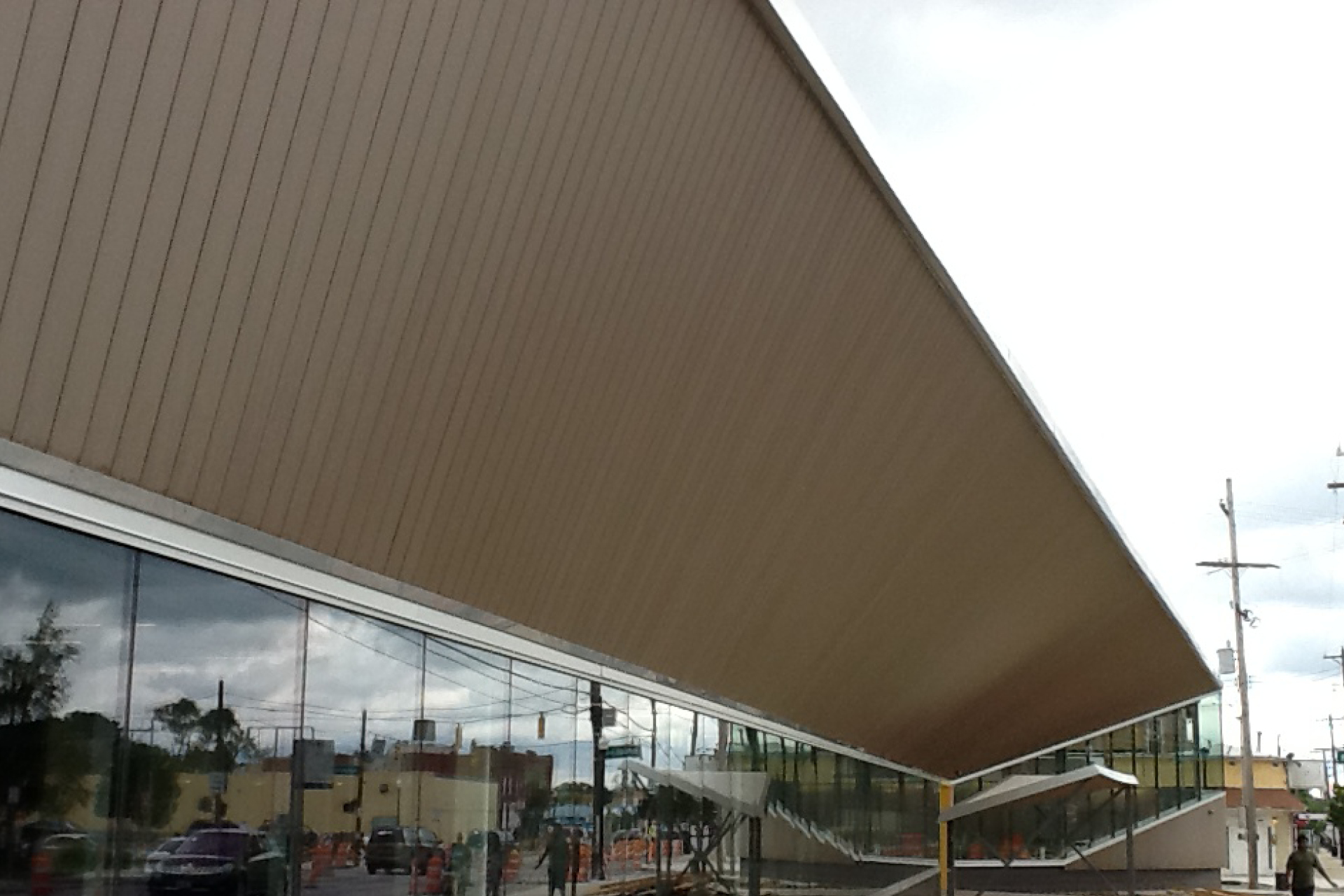
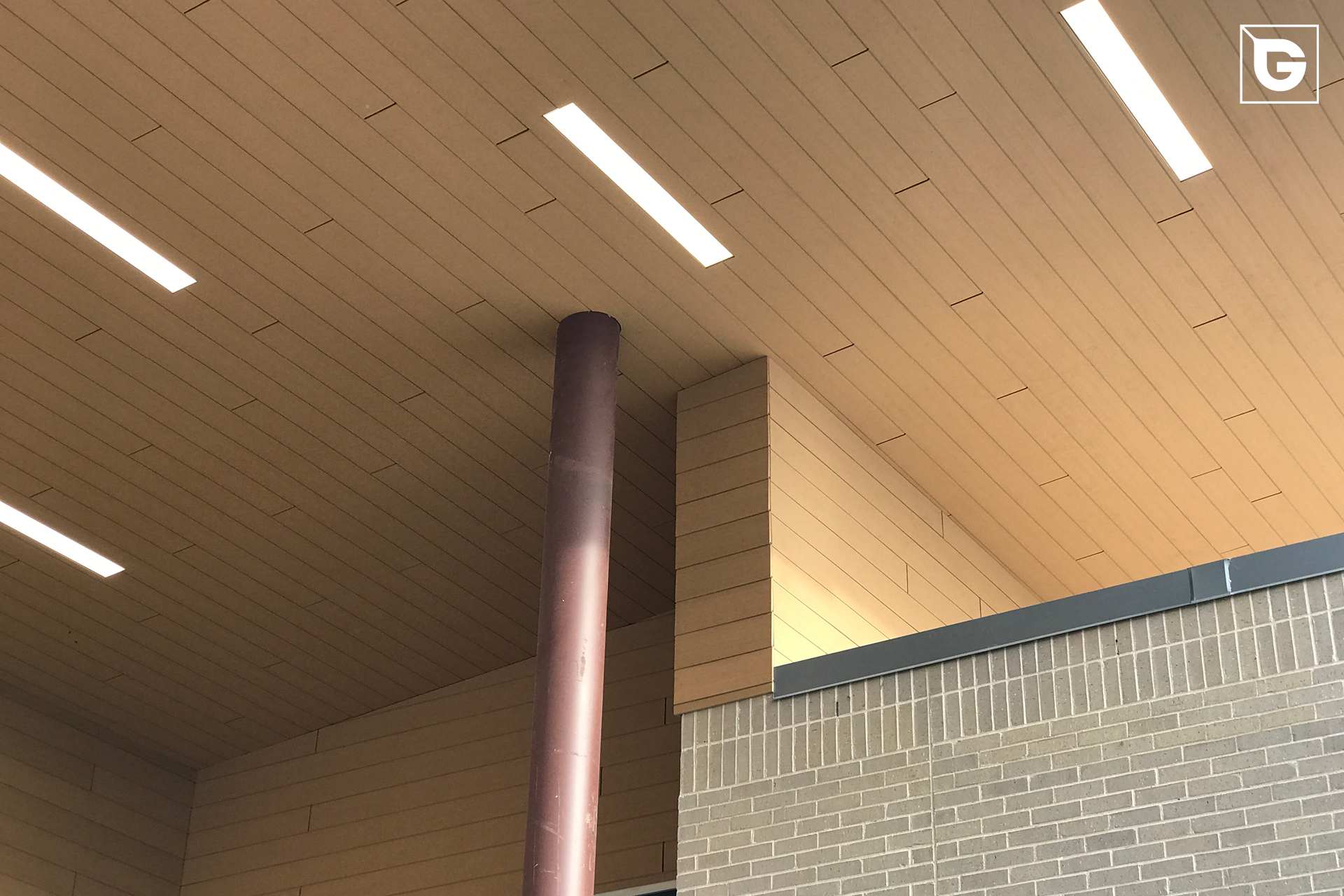
One certification, every application it covers.
The same non-combustible wall cladding core covers facades, soffits, rainscreen systems, and interior applications with one fire test result, not a different rating per use case.
Get Your SamplesThe profile: Vertigo 5010
Geolam’s non-combustible, aluminum-core hybrid WPC cladding board, among the few fire resistant wall cladding panels tested under ASTM E136 rather than flame-spread alone.
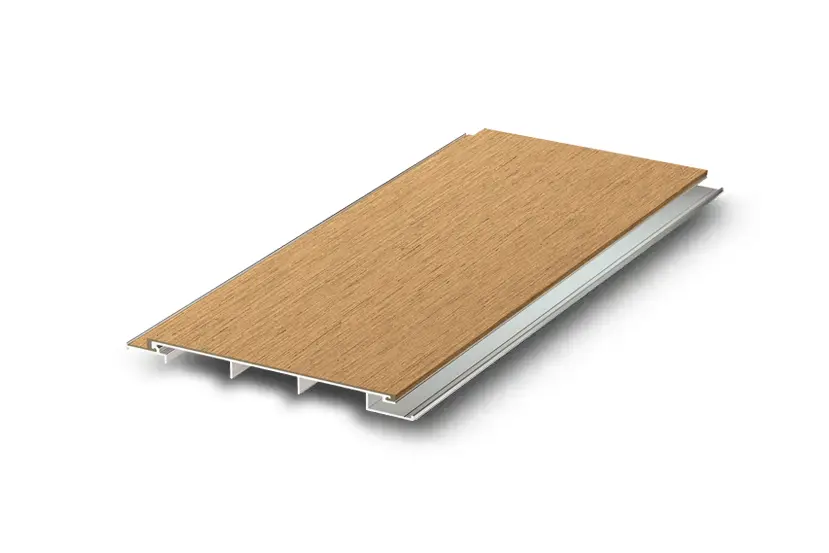
| Thickness | ½” | 13mm |
| Total width | 7¼” | 184mm |
| Usable width (exposure) | 6¼” | 160mm |
| Standard length | 12 ft | 3.66m |
| Custom lengths | 7 ft – 19’8″ | 2.15m – 6m |
| Weight | 0.80 lb/ft | 1.19 kg/ml |
| Fire rating | Non-combustible, ASTM E136 (appendix) |
| Code compliance | Meets IBC 2018 703.5.2 |
| Core | Anodized aluminum alloy A6063S-T5 |
| Warranty | 10-year limited, non-prorated |
*Non-standard color, 90-day lead time, 5,000 lineal ft minimum.
Specify with confidence
Documentation for these fire rated cladding panels, ready for permitting submittals.
Non-Combustible vs. Class A Fire-Retardant-Treated Wood
The question behind composite fire-rated cladding boards vs real wood siding, and behind most searches for fire-rated cladding options better than wood siding, comes down to this comparison.
| Parameter | Geolam Vertigo 5010 | FRT Wood / Standard Composite |
|---|---|---|
| Fire Classification | ✓ Non-combustible under ASTM E136. | ✗ Class A flame spread under ASTM E84; substrate still combustible. |
| Fire Treatment Method | ✓ Aluminum core is inherently non-combustible. | ✗ Chemical treatment can leach or degrade over time. |
| Code Acceptance at Height | ✓ Suits taller buildings requiring composite noncombustible construction. | Varies; often restricted above certain building heights. |
| Weathering Impact on Fire Performance | ✓ Non-combustibility doesn’t depend on an intact coating. | ✗ FRT effectiveness can diminish with repeated wetting. |
| Maintenance | ✓ Soap and water only. | Often needs monitoring to confirm treatment hasn’t degraded. |
| Warranty | ✓ 10-year non-prorated warranty on the full profile. | Fire-treatment warranty often separate from material warranty. |
General comparison based on manufacturer spec sheets for each category; individual FRT wood and composite products vary by brand and treatment method.
Download the Full Materials Comparison GuideA rating that doesn’t rely on an intact coating.
Fire performance that depends on a surface treatment is only as reliable as that treatment staying intact through years of weather, cleaning, and wear, part of the low-maintenance fire-rated cladding benefits for facades that a structural, core-level rating offers over a coating. As an aluminum fire resistant cladding hybrid, Vertigo 5010’s non-combustibility comes from the aluminum core itself, not a layer that can wear thin. The same construction, wood fiber dried to 0% moisture before extrusion, also produces 70–80% recycled content, certified under the Japan Environmental Association’s Eco-Mark and ISO 9001/14001.
For projects specifying both non combustible aluminium cladding and sustainable materials, or simply non combustible wood cladding that reads as genuinely warm rather than industrial, that’s two requirements met by one profile rather than a trade-off between them.
Fire classification isn’t a checkbox, it’s a liability question.
Building codes tie exterior wall assembly requirements directly to occupancy type and building height, which is why a code official reviewing a submittal for a school, hospital, or multi-story building asks what the best fire protection solution for façades and cladding actually is on paper, not a general durability claim. Getting that classification wrong late in a project can mean a rejected submittal, or worse, a facade that doesn’t perform the way the drawings assumed.
Insurance underwriters look at the same distinction. A fire resistant exterior cladding, or fire resistant external wall cladding in the more formal specification language, reduces a structure’s fire-spread exposure in ways that can affect commercial property insurance terms, an angle that matters as much to a building owner as it does to the architect of record.
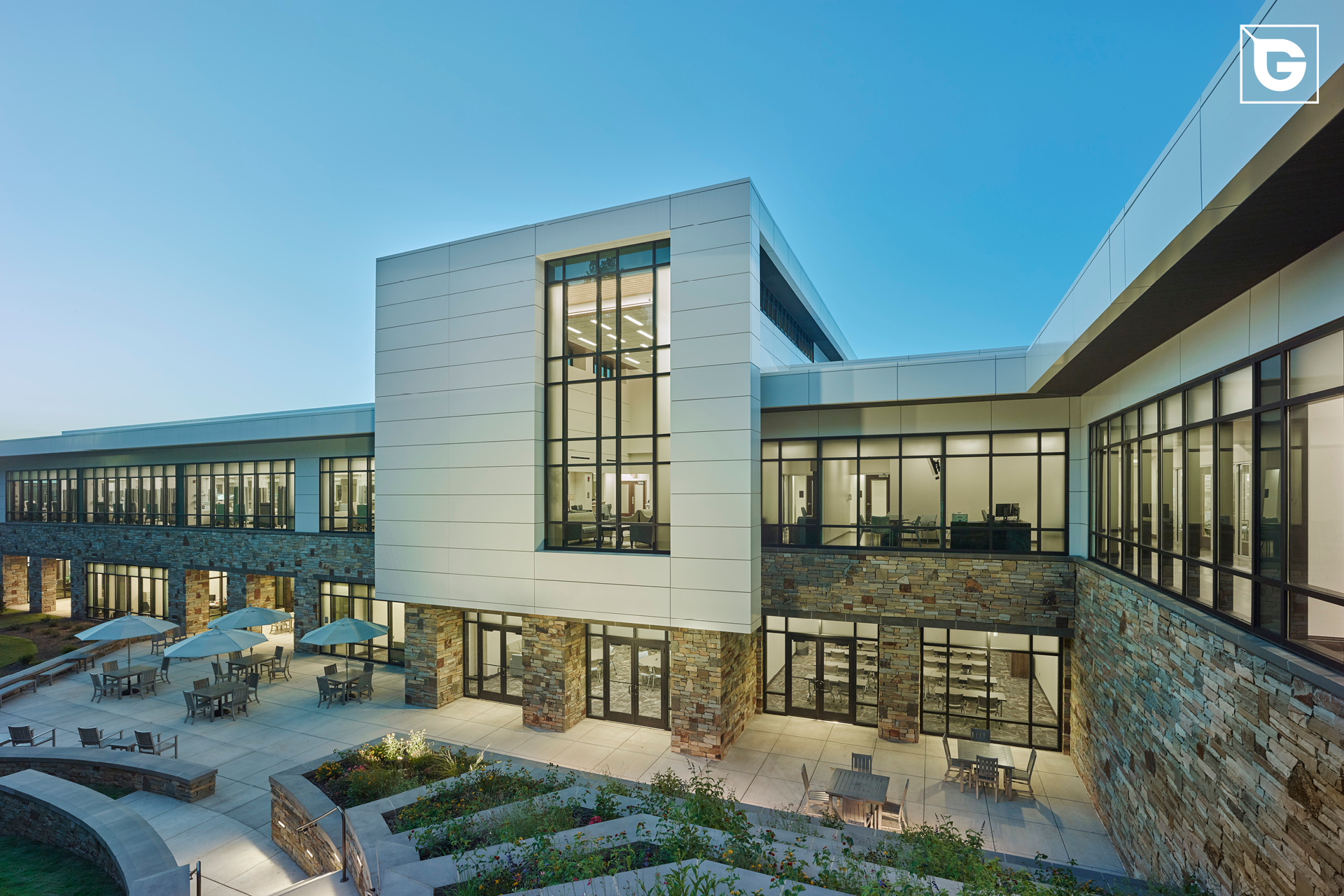
A fire rating that doesn’t need to be re-verified every few years.
Treated or coated fire-resistant materials can raise a reasonable question over time: is the treatment still doing what it was tested to do? It’s the same question behind “is cladding fireproof after ten years outdoors,” the real test for any fire resistant cladding external installation, not just on installation day. Vertigo 5010’s non-combustible classification doesn’t depend on an applied layer staying intact, so routine care stays routine, soap and water, with no separate schedule to protect the fire rating specifically.
Unlike asking whether is metal cladding non combustible depends on an intact coating, surface scratches here can be sanded out rather than requiring board replacement, and the 10-year warranty covers splitting, rot, and termite or fungal damage on top of the fire classification itself.
The best exterior cladding for water and fire resistance is usually the same material.
Fire and moisture resistance aren’t unrelated specification questions, especially for fire rated external cladding exposed to both at once. Materials that absorb water, solid wood, some FRT lumber, tend to be the same ones where fire-retardant treatments can wash out or weaken over repeated wetting. An aluminum core doesn’t have that failure mode: it doesn’t absorb moisture, and its non-combustible classification isn’t tied to a treatment that can degrade.
Vertigo 5010’s finish is separately tested for weather resistance under DIN ISO 16474-2, so the same profile holds its fire classification and its natural wood-grain aesthetic across freeze-thaw cycles, coastal humidity, and sustained UV exposure.
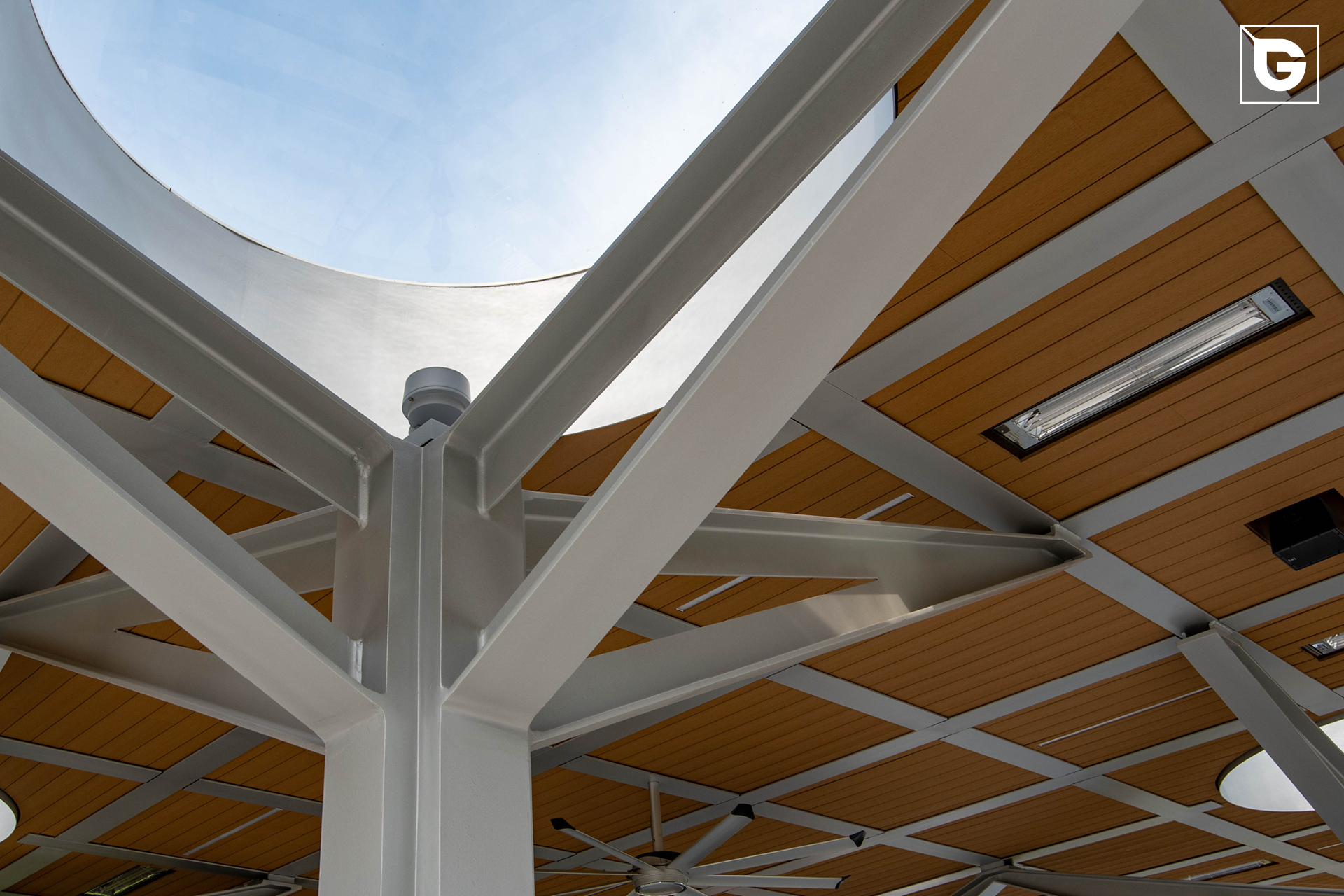
Who tests and manufactures this fire rated cladding?
Geolam, Inc. is headquartered in Toronto, Ontario, and is the exclusive North American importer and distributor of Geolam® aluminum fire resistant wall cladding and other architectural building products manufactured in Japan. The co-extrusion technology behind Vertigo 5010’s fire performance, an aluminum core bonded to a wood-fiber composite skin, was developed in Japan in the 1990s and is verified through independent third-party fire testing, not a manufacturer self-declaration.
Wood Hybrid Systems, the triple-extrusion process behind that construction and behind Geolam’s non combustible rainscreen cladding line, reached the global market in 2012. Geolam, Inc. is SAM.gov registered for U.S. government work and keeps standard Vertigo 5010 colors stocked in the USA.
Certifications & performance attributes
The same documentation covers every one of these non combustible cladding panels, regardless of color.
Genuinely non-combustible
ASTM E136 tested, not a Class A flame-spread label alone.
Code-recognized
Meets IBC 2018 703.5.2 for composite noncombustible construction.
No treatment to monitor
Fire performance is structural, not a coating that can wear off.
Fire and water resistant
Aluminum core doesn’t absorb moisture that can weaken fire treatments.
Built with this non-combustible aluminum-core cladding
Explore commercial and institutional projects using this fire-rated profile across North America.
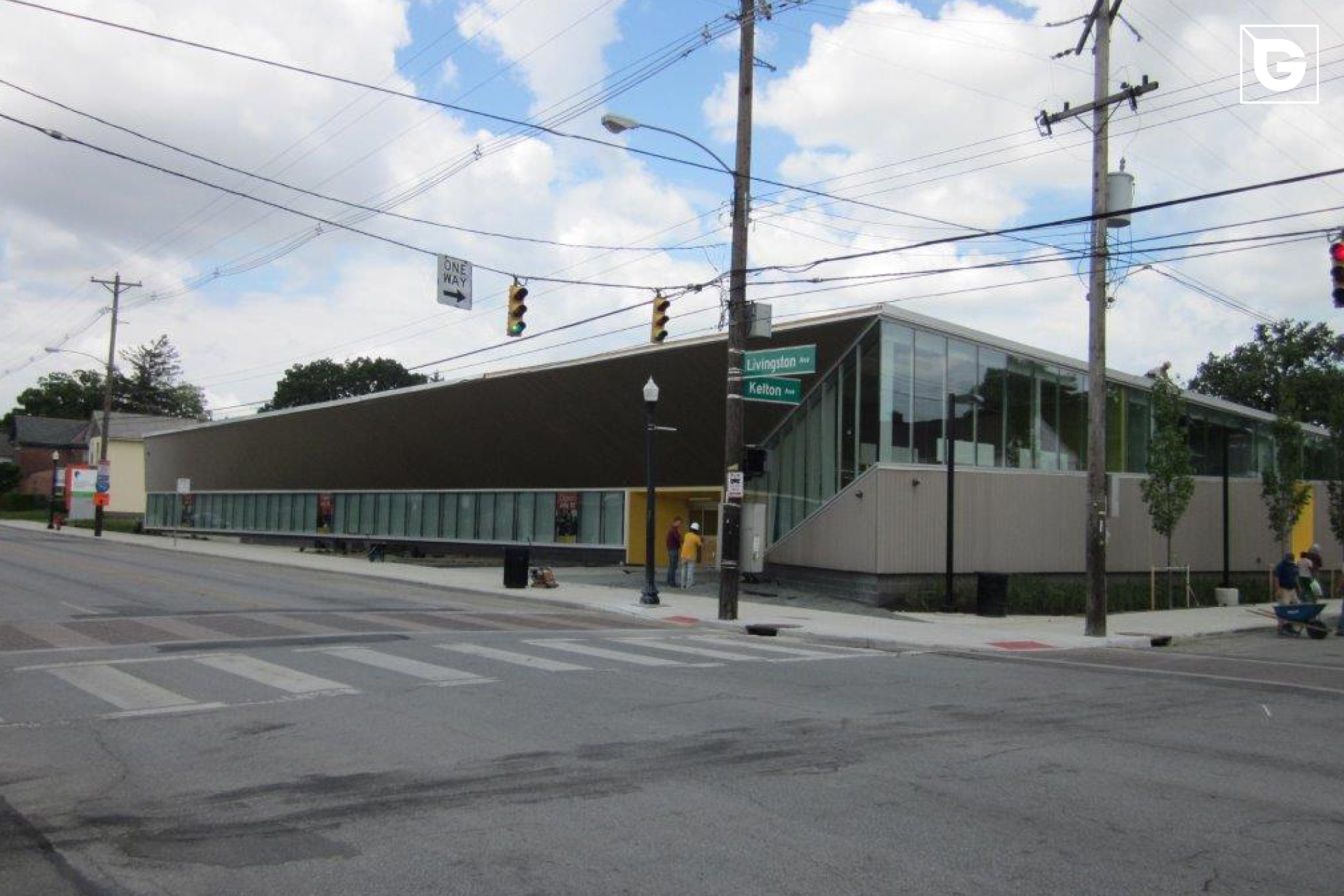 Columbus Public Library — OhioVertigo 5010, Moleskin — public building
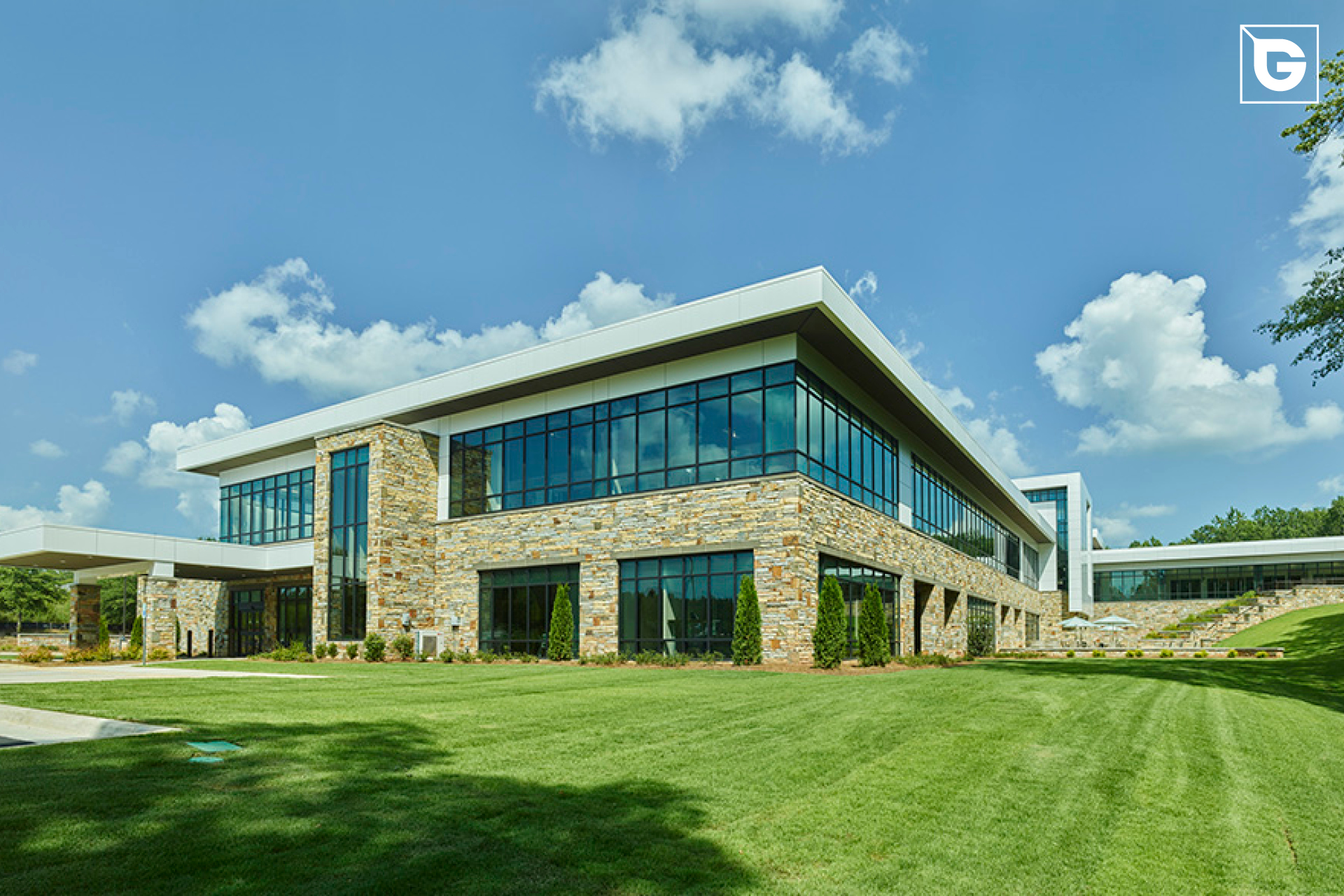 Spencer Cancer Center — AlabamaVertigo 5010, Rosewood — healthcare
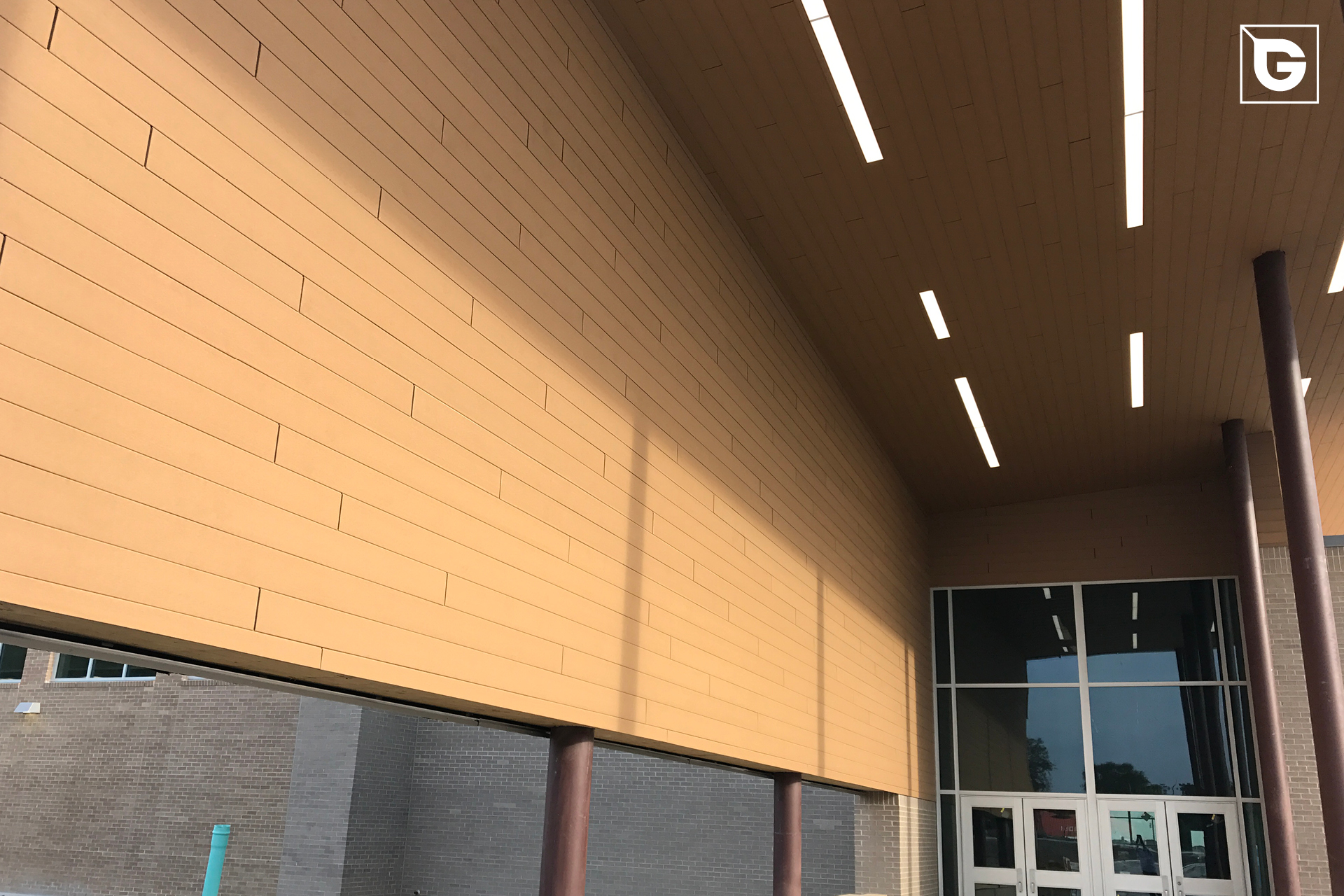 Killeen ISD — TexasVertigo 5010, Teak — education
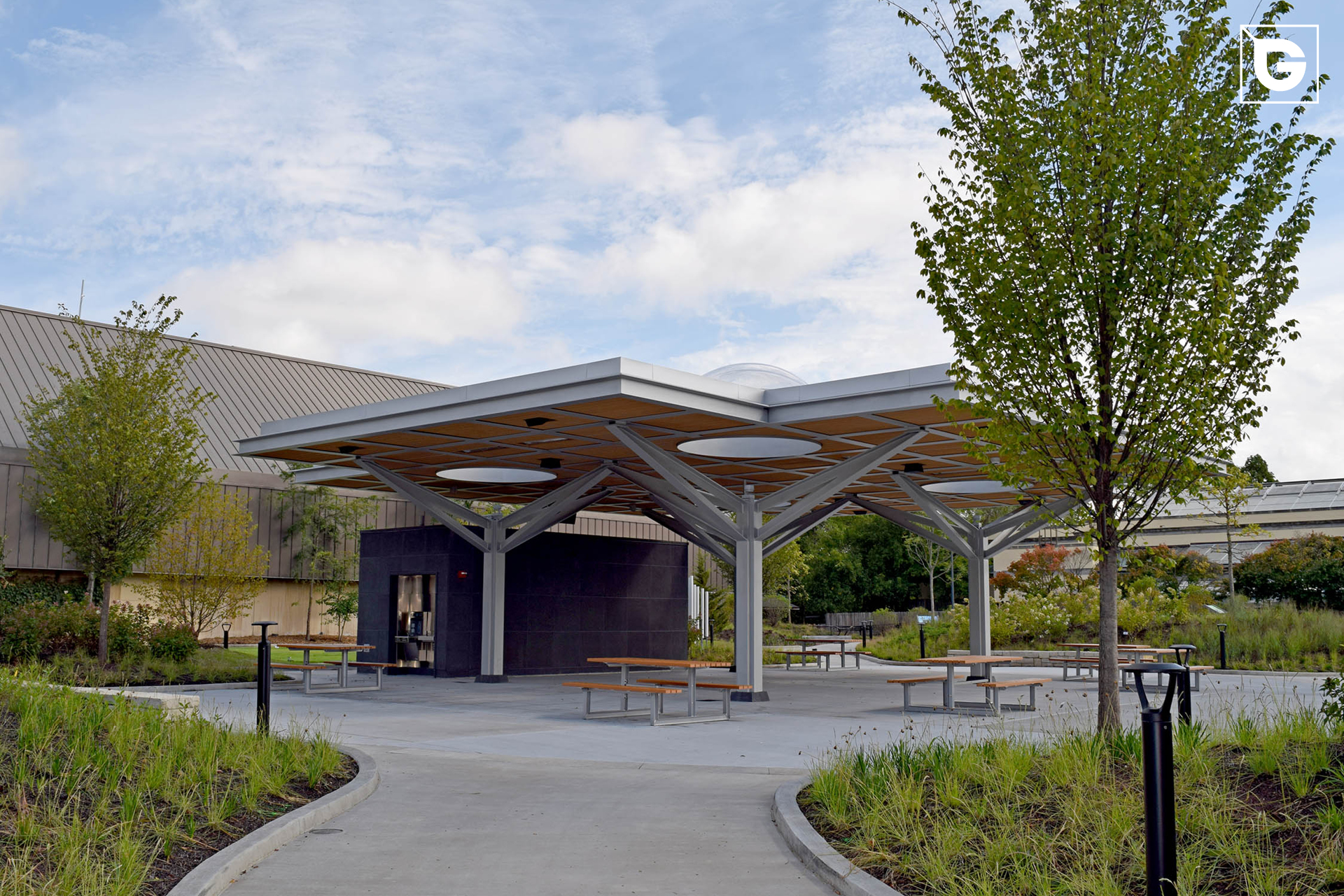 Brookfield Zoo — IllinoisVertigo 5010, Rosewood — public building
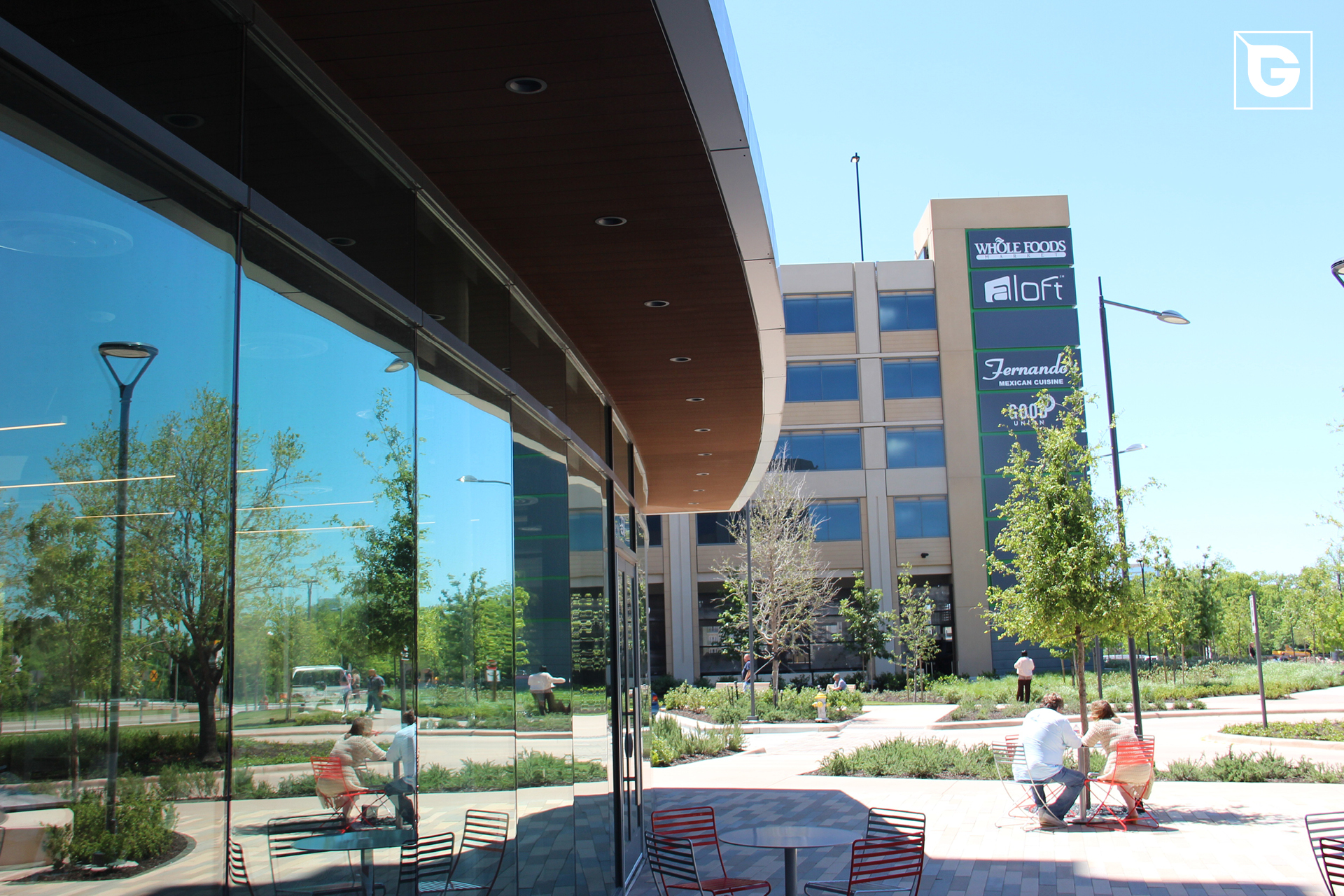 State Farm Building — TexasVertigo 5010, Rosewood — corporate office
From a public library in Ohio to a school district campus in Texas, these five projects are real, documented installations of aluminum non combustible wall cladding on institutional buildings where fire classification was a genuine specification driver, pulled from Geolam’s own project gallery, none of the photography above is reused from the other cladding pages on this site. The gallery here is a small sample; Geolam’s full project archive includes more than 80 named commercial installations across North America.
See All Projects in the GalleryStandard finishes
Fire performance doesn’t change by color.
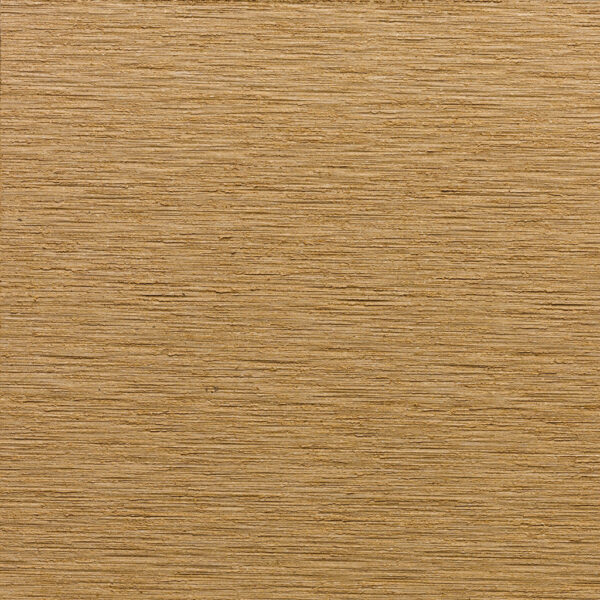
Teak
Warm, golden hardwood tone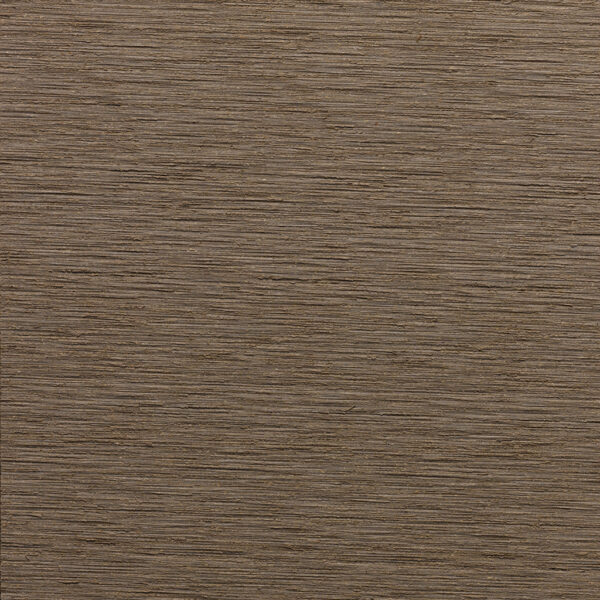
Moleskin
Cool, driftwood grey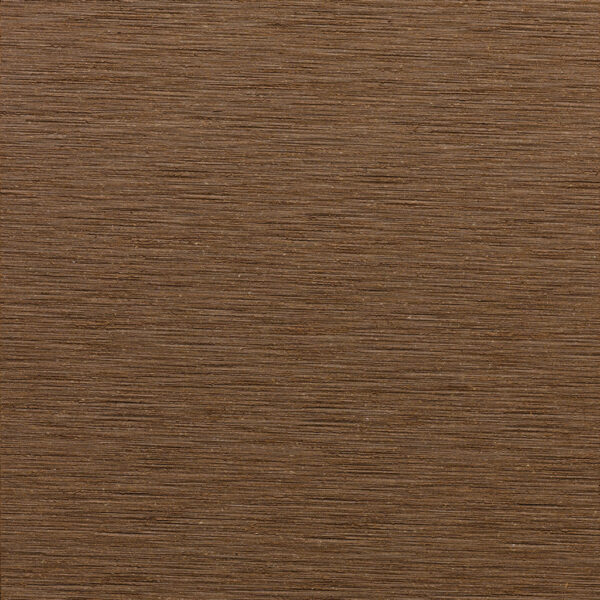
Rosewood
Deep reddish hardwood tone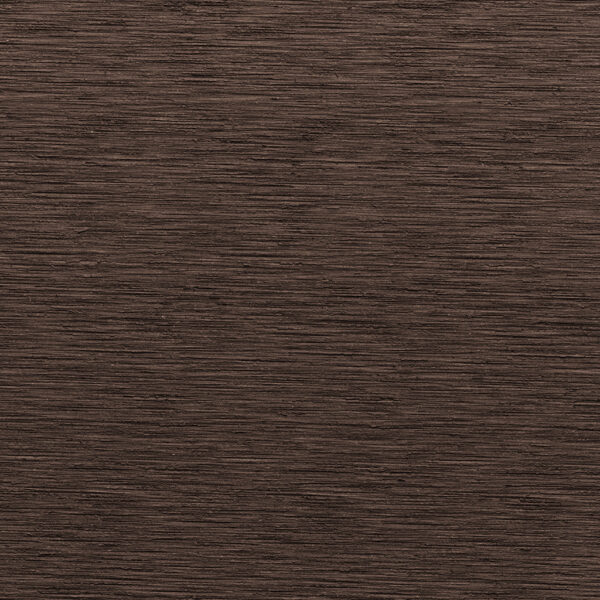
Ebony
Near-black, low-sheen finish
Carbon*
Deep matte black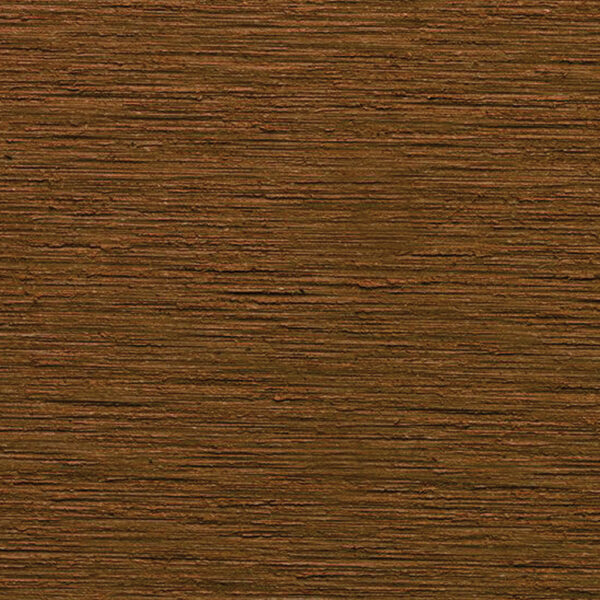
Bilinga*
Rich amber-brown hardwood tone*Non-standard color, 90-day lead time, 5,000 lineal ft minimum.
Because the non-combustible classification comes from the aluminum core rather than a color-specific coating, every standard finish, Teak, Moleskin, Rosewood, and Ebony, carries the same ASTM E136 rating. Choosing a color doesn’t mean choosing a different fire test result. All four ship with the same sanded finish and are stocked in the USA with no minimum order.
Carbon and Bilinga are available as special-order colors with a 90-day lead time and a 5,000 lineal foot minimum, and carry the identical core construction and fire classification as the standard range. Request a physical sample to review appearance alongside the documented test results.
Request Physical Samples
See it in 3D
Rotate, zoom, and switch colors on a real render of Vertigo 5010 before you request a physical sample.
Colors
What affects fire rated cladding cost?
Pricing across the top non-combustible cladding materials options varies too much by project to quote a single number honestly. Here’s what actually drives it.
Get a project-specific number
Send your elevation area, preferred finish, and location to your local rep for an accurate quote, no guessing from an online calculator.
Request a Quote Find Your Local RepWhat architects say
Architects on specifying Geolam Vertigo 5010.
“Given that the atrium would be susceptible to the elements and cars, Geolam was utilized for its durability and low maintenance.”
“We chose Vertigo 5010 for the soffits because it has the aesthetics of wood with zero maintenance.”
“Vertigo 5010 was the perfect product to navigate the complex geometries of the design with clean joinery and easy installation.”
Fire rated cladding, common questions
What’s the difference between “fire rated,” “fire resistant,” and “non-combustible”?
They’re often used loosely, but they don’t mean the same thing. “Fire rated” and “fire resistant” can describe a Class A flame-spread rating under ASTM E84, where the material still burns but resists spreading flame. “Non-combustible” is a stricter, separate classification under ASTM E136, meaning the material won’t sustain combustion at all under standardized furnace testing.
Is PVC cladding fire resistant?
Standard PVC cladding is combustible and typically doesn’t meet non-combustible classification requirements. Some PVC products carry a Class A or B flame-spread rating, but that’s a different, less stringent classification than ASTM E136 non-combustible.
Is metal cladding fire resistant, and is it the same as non-combustible?
Most metal cladding, including aluminum, is inherently non-combustible on its own. Whether a specific metal-based product carries a documented ASTM E136 rating depends on the full assembly, including any core material or coating, so it’s worth confirming with the manufacturer’s test report rather than assuming from the base material alone.
Is composite cladding fireproof or non-combustible?
It depends entirely on construction. Standard wood-plastic composite without a fire-resistant core is typically combustible and may only carry a Class A flame-spread rating, if tested at all. An aluminum-core hybrid composite like Vertigo 5010 is tested non-combustible under ASTM E136 specifically.
What does “Class A fire rated” mean, and is it enough for my project?
Class A is the best rating on the ASTM E84 flame-spread scale, meaning a material resists spreading fire across its surface. It’s a real, useful classification, but it’s not the same as non-combustible, and some jurisdictions or building heights specifically require the stricter ASTM E136 classification rather than Class A alone. Check your local code official’s requirements before assuming Class A is sufficient.
Does fire-rated cladding cost more than standard cladding?
Generally yes, upfront. Non-combustible materials typically carry a higher material cost than untreated composites or standard vinyl. That cost is usually weighed against code requirements, insurance considerations, and the fact that a non-combustible rating doesn’t need to be reverified or re-treated over time the way some fire-retardant treatments do.
Can fire-retardant-treated (FRT) wood meet the same requirements as non-combustible cladding?
Not in every case. FRT wood typically achieves a Class A flame-spread rating, but the wood substrate underneath remains combustible, so it doesn’t meet ASTM E136 non-combustible classification. Some jurisdictions and building types specifically require non-combustible materials rather than accepting FRT wood as equivalent.
Where is non-combustible cladding typically required by code?
Requirements vary by jurisdiction, but non-combustible exterior wall assemblies are commonly required on taller buildings, buildings near property lines, and certain occupancy types like schools, healthcare, and high-occupancy public buildings. Always confirm current local code requirements with your project’s code official or fire marshal rather than relying on general guidance.
Does a fire rating apply to the whole cladding system, or just the panel?
This varies by test and jurisdiction. A material-level test like ASTM E136 evaluates the panel material itself. Some projects, particularly taller buildings, may also require full wall assembly fire testing under standards like NFPA 285. Confirm which level of testing your specific project requires.
Who supplies fire rated wall cladding panels for commercial projects?
Ask any prospective fire rated wall cladding panel supplier for their actual third-party test report on their fire resistant cladding panels, not just a marketing claim of “fire rated.” Geolam, Inc. manufactures and imports Vertigo 5010 directly and provides documented ASTM E136 test results on request.
Can I get a sample or test report before specifying fire-rated cladding?
Yes, request both. A physical sample lets you evaluate appearance and texture directly; the fire test report confirms the classification claim independently rather than relying on marketing language alone. Geolam provides both on request.
Ready to see the test results?
Request the ASTM E136 documentation, order a physical sample, or get a project-specific quote from a Geolam representative.
