
Wood Look Soffit
A sanded wood-fiber composite face over an aluminum core, built for the underside of eaves, canopies, and covered ceilings, where a wood grain soffit gets looked at closely and the material still has to survive the weather it’s shading.
Grain that has to hold up when it’s looked at from below.
Wood look soffit is the underside panel of an eave, entry canopy, or covered ceiling, finished to read as wood without the upkeep of solid lumber overhead. Vinyl and printed aluminum reach that look with a wood grain pattern applied to the surface; fiber cement and solid WPC rely on an embossed or brushed texture instead.
Geolam’s Vertigo 5010 gets there differently: an aluminum core co-extruded with a sanded, wood-fiber composite face, so the grain overhead is real rather than a repeating print, the same construction used on our wall and facade profiles, adapted for horizontal, overhead installation.
Sanded, not printed
Real wood-fiber composite face, viewed from directly underneath.
Non-combustible
ASTM E136 tested, relevant at eaves near roof assemblies.
Vented or solid
Supports both ventilated and closed soffit designs.
10-year warranty
Non-prorated, limited.
A soffit assembly isn’t a wall assembly turned sideways.
Wall cladding manages wind-driven rain hitting it directly. A soffit, mounted overhead and generally shielded from direct rain, has a different job: staying attached against wind uplift and, on many buildings, managing attic or roof ventilation instead of drainage.
1. Soffit panel: the visible, overhead face, run solid for a closed look or with venting for attic and roof airflow.
2. Vent channels: where continuous ventilation is required, sections of the panel or dedicated vent strips allow airflow without breaking the wood grain appearance across the run.
3. Furring or hangers: the attachment layer between the panel and the framing above, set to keep the finished soffit plane level and true.
4. Rafter tail or framing: the structural members the furring or hangers fasten to, whether at a roof eave or a standalone canopy.
5. Fascia trim: closes the outer edge where the soffit meets the roofline or canopy edge, the wood grain soffit and fascia combination that finishes the assembly.
Several materials chase a wood grain soffit look. Only one is sanded.
A general market overview, not a claim about what Geolam sells. Geolam manufactures only the hybrid aluminum-core WPC row below.
| Type | How it gets the wood look | Typical finish | Where it’s used |
|---|---|---|---|
| Aluminum-core hybrid WPCGeolam makes this one | Sanded, exposing real wood fiber in the composite skin | Sanded, natural grain variation | Entry canopies, eaves, covered ceilings |
| Vinyl wood grain soffit | Printed film embossed with a wood-grain pattern | Repeating printed pattern | Residential eaves, budget projects |
| Fiber cement soffit board | Wood-grain texture molded into the cement board | Painted, embossed texture | Larger commercial overhangs |
| Wood grain aluminum soffit | Dye-sublimation or printed film over solid metal panel | Printed coating on aluminum | Wood-look canopies and vented eaves |
| Solid wood tongue-and-groove | Real timber, painted or stained | Natural wood, needs upkeep | Premium residential porches |
| Solid WPC soffit (no aluminum core) | Wood-plastic composite, sanded or brushed | Subtle brushed texture | Decking-adjacent soffit runs |
These are general category patterns, not lab-tested claims about specific competing products. Actual performance varies by manufacturer.
Vinyl and printed aluminum, sometimes marketed simply as faux wood soffit, dominate the budget end because they install fast and cost less upfront, but a printed pattern reads as repetitive on a long eave run, and a scratch through the coating exposes the substrate underneath, more of a problem overhead where repairs mean a ladder or lift. Solid wood looks best of all until it doesn’t; painted soffit boards eventually need repainting, and moisture at the eave is exactly where solid lumber tends to fail first.
Geolam’s aluminum-core hybrid sits between those extremes: sanded rather than printed, so the grain is genuine and non-repeating, a different approach from a plain wood look metal soffit, on a non-combustible core that doesn’t need repainting on a ladder every few years.
The grain people notice looking up, not just walking past.
As an aluminum wood look soffit, Vertigo 5010 handles entry canopies, porte-cochères, and covered walkways the same way it handles a facade, one profile, one fastening system, whether the run is vertical or horizontal.
Get Your SamplesThe profile: Vertigo 5010
Geolam’s aluminum-core hybrid WPC soffit and cladding board, one of the wood look soffit panels sanded for a genuine wood-grain face overhead.
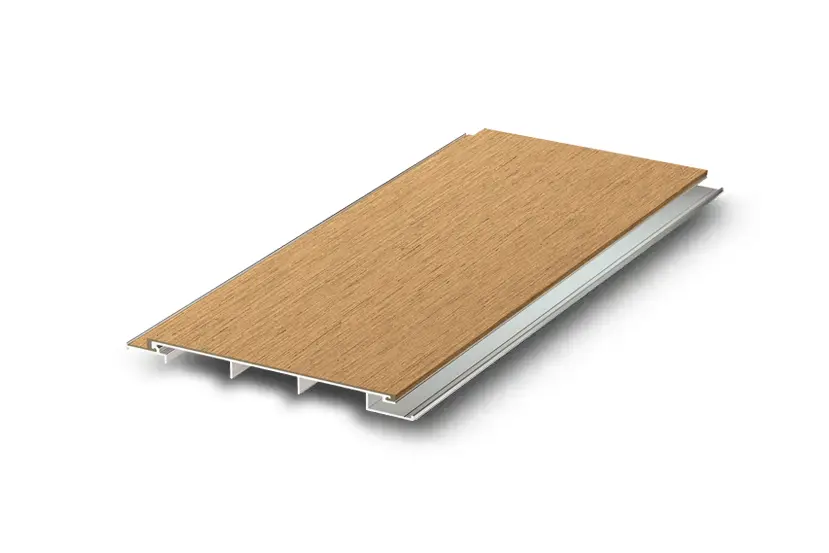
| Thickness | ½” | 13mm |
| Total width | 7¼” | 184mm |
| Usable width (exposure) | 6¼” | 160mm |
| Standard length | 12 ft | 3.66m |
| Custom lengths | 7 ft – 19’8″ | 2.15m – 6m |
| Weight | 0.80 lb/ft | 1.19 kg/ml |
| Fire rating | Non-combustible, ASTM E136 (appendix) |
| Core | Anodized aluminum alloy A6063S-T5 |
| Surface finish | Sanded wood-fiber composite (natural variation between runs) |
| Warranty | 10-year limited, non-prorated |
*Non-standard color, 90-day lead time, 5,000 lineal ft minimum.
Sanded Wood-Look vs. Vinyl Soffit
Vertigo 5010 compared against vinyl soffit that looks like wood, the printed alternative it’s most often confused with at a glance.
| Parameter | Geolam Vertigo 5010 | Vinyl Wood Grain Soffit |
|---|---|---|
| Grain Source | ✓ Real wood fiber, sanded to expose natural grain. | ✗ Printed film embossed with a wood-grain pattern. |
| Fire Rating | ✓ ASTM E136 non-combustible. | ✗ Vinyl is a combustible plastic. |
| Pattern Repeat | ✓ Natural, non-repeating variation along the run. | ✗ Visible repeat over a long eave or canopy soffit. |
| Structural Rigidity | ✓ Aluminum core resists sag over longer spans. | ✗ Can sag or oil-can between supports without enough backing. |
| Scratch Behavior | ✓ Color runs through the material; sandable to repair. | ✗ A scratch exposes the substrate underneath the print. |
| Maintenance | ✓ Soap and water only. | Low maintenance, but can discolor or chalk with age. |
| Warranty | ✓ 10-year non-prorated warranty on the full profile. | Varies widely by manufacturer and product line. |
General comparison based on manufacturer spec sheets for each category; individual vinyl soffit products vary by brand.
Download the Full Materials Comparison GuideBuilt to be looked at, and to be left alone.
Wood fiber dried to 0% moisture before extrusion is what keeps this material from warping overhead the way improperly processed wood grain vinyl soffit panels can, especially in a location without much airflow past it. The result is 70–80% recycled content, fully recyclable, and certified under the Japan Environmental Association’s Eco-Mark and ISO 9001/14001.
The aluminum core adds what sanding alone can’t: a non-combustible, dimensionally stable structure that resists the sag longer spans of any soffit that looks like wood can develop, made largely from recycled aluminum stock and fully recyclable again at end of life.
Two problems only a soffit has to solve at once.
A soffit, sometimes just called a wood looking soffit in casual searches, gets studied differently than a wall. People walk under it, stand beneath it waiting at an entrance, and look straight up at it, an angle that makes a repeating printed pattern more obvious than it would be on a vertical elevation viewed in passing. That’s one problem. The other is code: soffits sit at the eave, close to the roof assembly, which is exactly where some jurisdictions, particularly wildfire-exposure zones, require non-combustible material specifically.
Vertigo 5010 addresses both from the same construction: unlike printed wood grain soffit panels, the sanded face holds up to the closer, upward scrutiny a soffit gets, and the ASTM E136 non-combustible core satisfies eave-specific fire requirements that a vinyl or unmodified wood soffit generally can’t.
Upkeep from a ladder should be rare, if it happens at all.
Any repair overhead costs more than the same repair at eye level, a lift or ladder, sometimes scaffolding, just to reach the surface. That makes routine maintenance the real cost driver for an aluminum soffit that looks like wood, more than the initial material price. Vertigo 5010’s answer is soap and water, with no staining, sealing, or repainting cycle to schedule.
When something does need attention, a scratch or mark on this wood soffit finish can often be sanded out in place rather than requiring a section to be pulled and replaced, since the color runs through the composite rather than sitting on top of it as a coating.
Shaded from rain doesn’t mean shielded from weather.
A soffit avoids direct rain in most storms, but it still sits in the same humidity and temperature swings as the rest of the building, and it often runs alongside a roofline that channels wind in unpredictable directions during a storm. Wood grain soffit vinyl and other printed finishes can still fade or discolor overhead, sometimes unevenly where partial shade creates an unexpected pattern of its own.
Vertigo 5010’s finish is tested for color stability under JIS K5400 regardless of sun exposure, keeping the aesthetic consistent year to year, and the aluminum core doesn’t expand and contract with humidity the way solid wood does, which matters at a soffit-to-fascia joint that has nowhere to hide movement.
Who makes this wood look soffit?
Geolam, Inc. is headquartered in Toronto, Ontario, and is the exclusive North American importer and distributor of Geolam® architectural exterior building products manufactured in Japan. The underlying co-extrusion technology, an aluminum core bonded to a wood-fiber composite skin, was developed in Japan in the 1990s and applies the same way whether the profile ends up vertical on a wall or horizontal overhead.
Wood Hybrid Systems, the triple-extrusion process behind that construction and the same one behind Geolam’s wood grain soffits, reached the global market in 2012. Geolam, Inc. is SAM.gov registered for U.S. government work and keeps standard Vertigo 5010 colors stocked in the USA.
Certifications & performance attributes
Non-repeating grain
Unlike printed wood look aluminum soffits, this texture varies naturally along the run.
Eave code-friendly
ASTM E136 non-combustible, relevant in wildfire-exposure zones.
Rare ladder work
Soap-and-water cleaning, no repainting cycle overhead.
Vented or solid
The same profile supports both continuous-vent and closed soffit designs.
Built with this wood-look aluminum-core soffit
Explore commercial canopy, eave, and pavilion projects using this profile across North America.
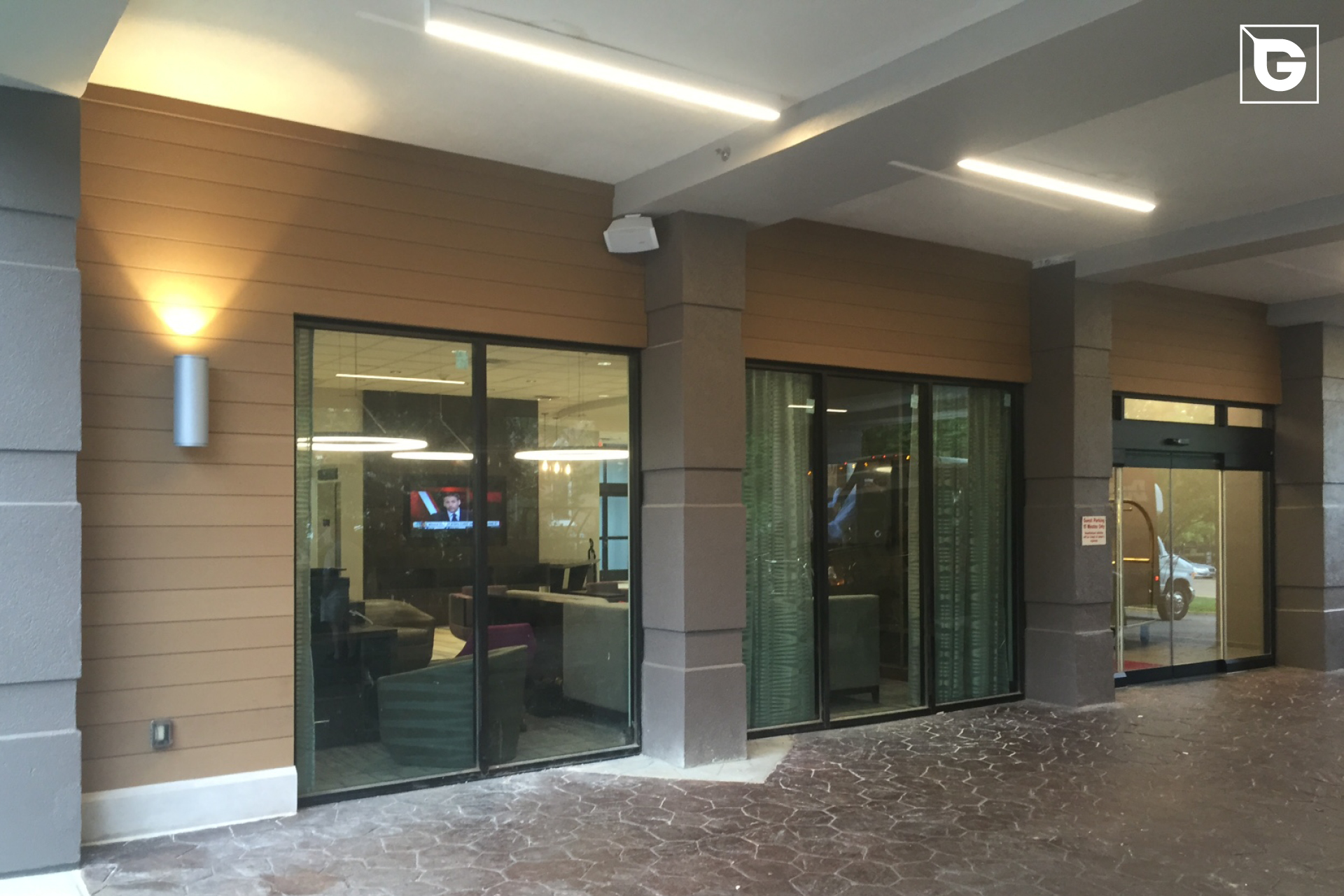
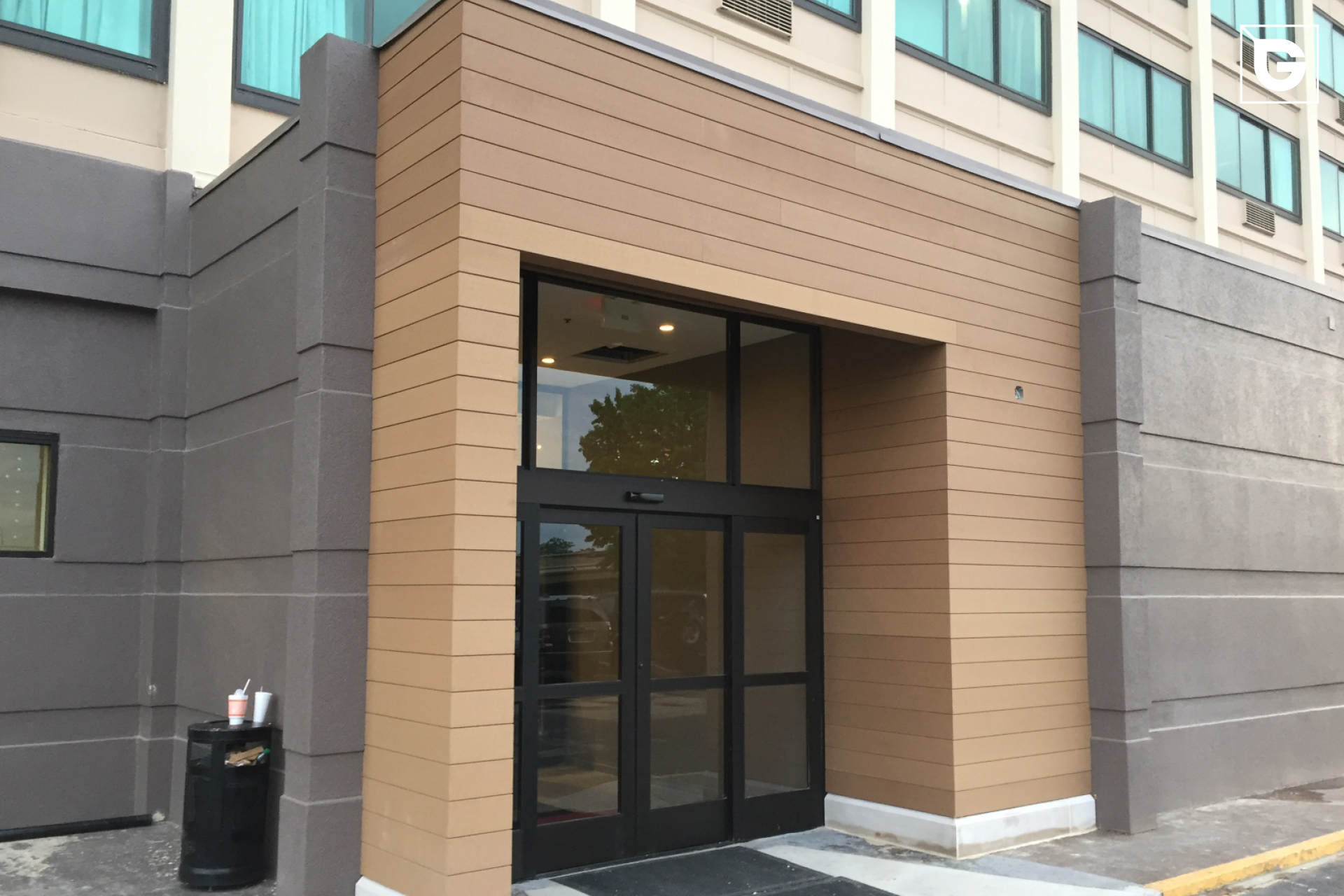 Crowne Plaza — TennesseeVertigo 5010, Teak — hospitality porte-cochère
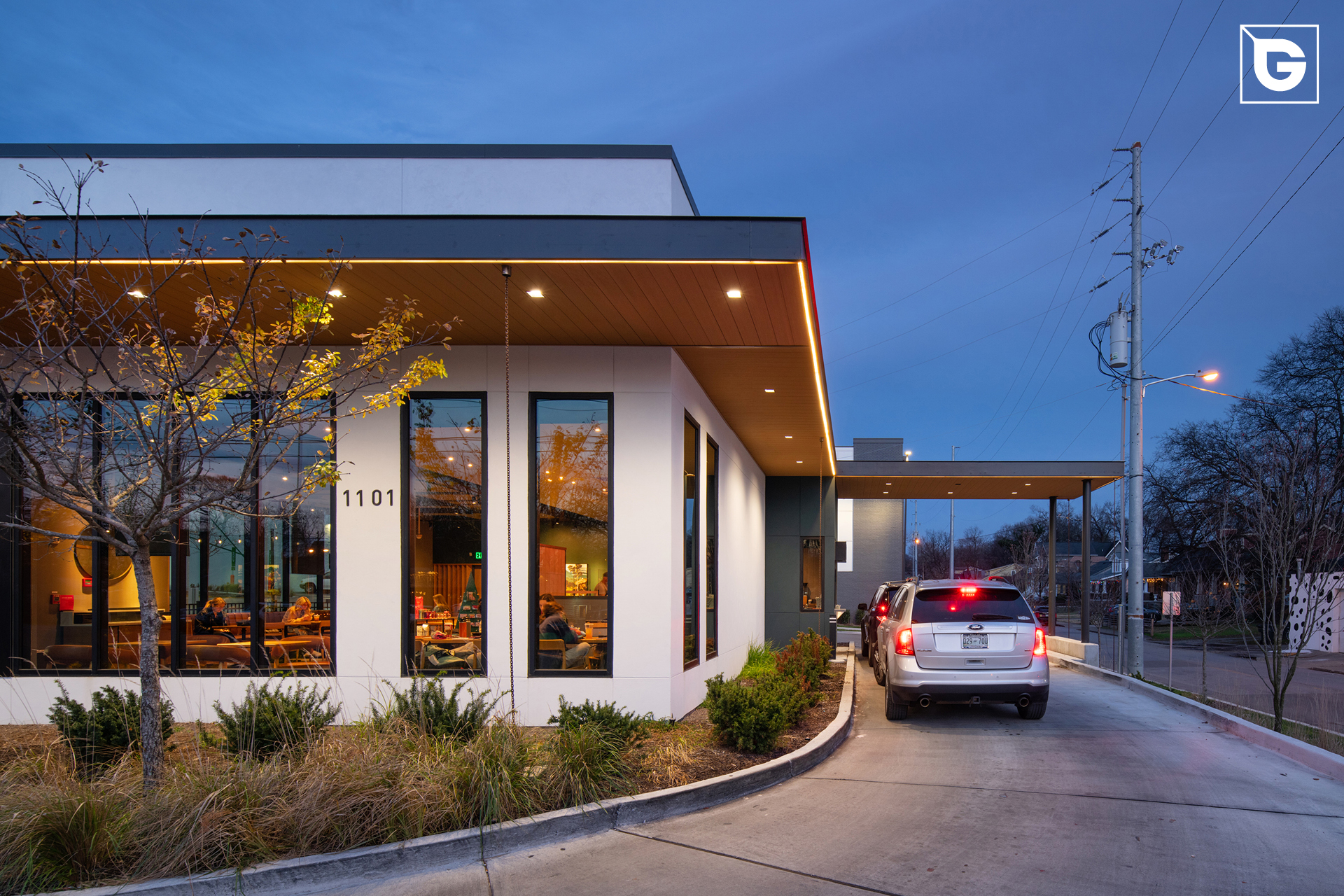
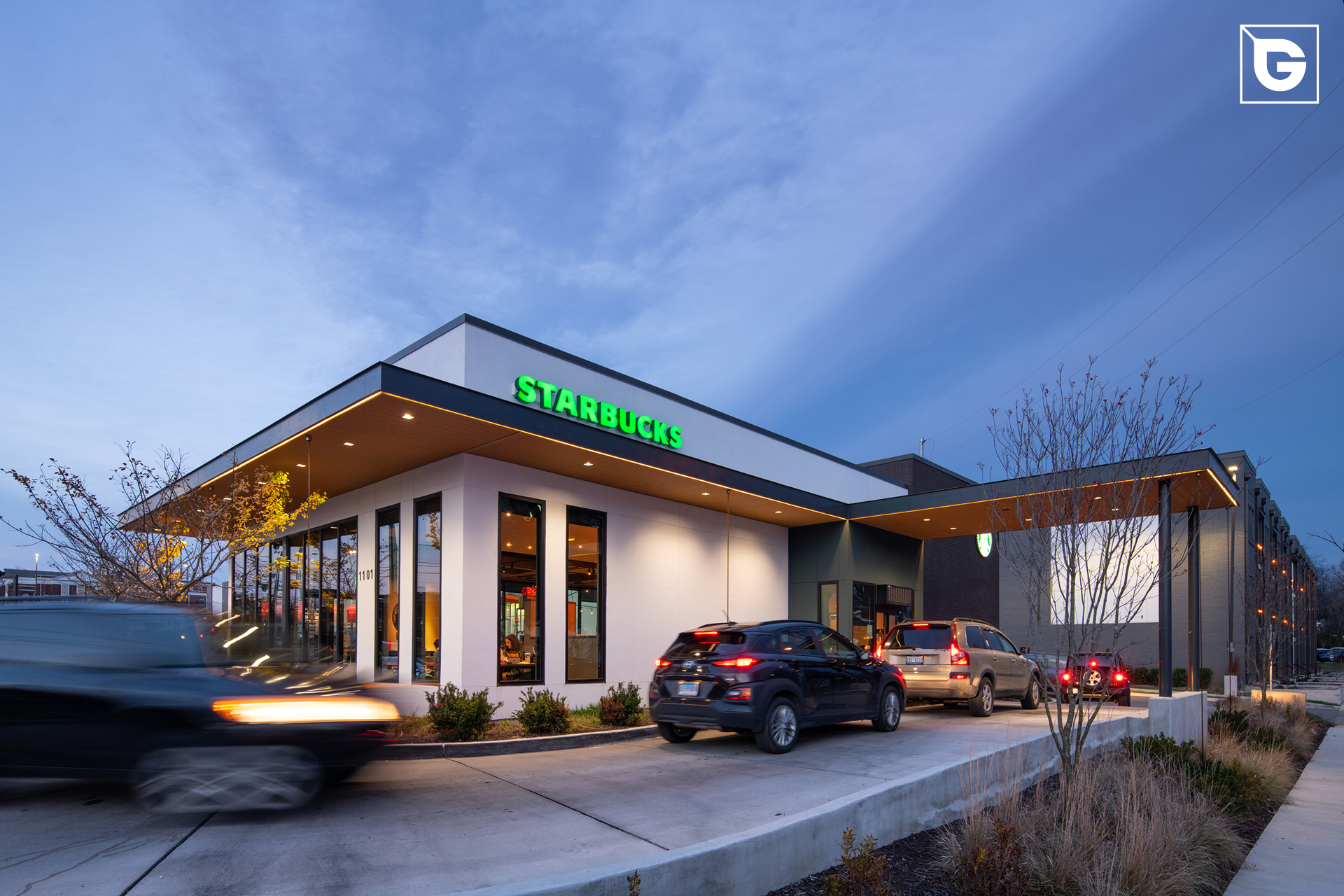 Starbucks — TennesseeVertigo 5010, Teak — drive-thru canopy
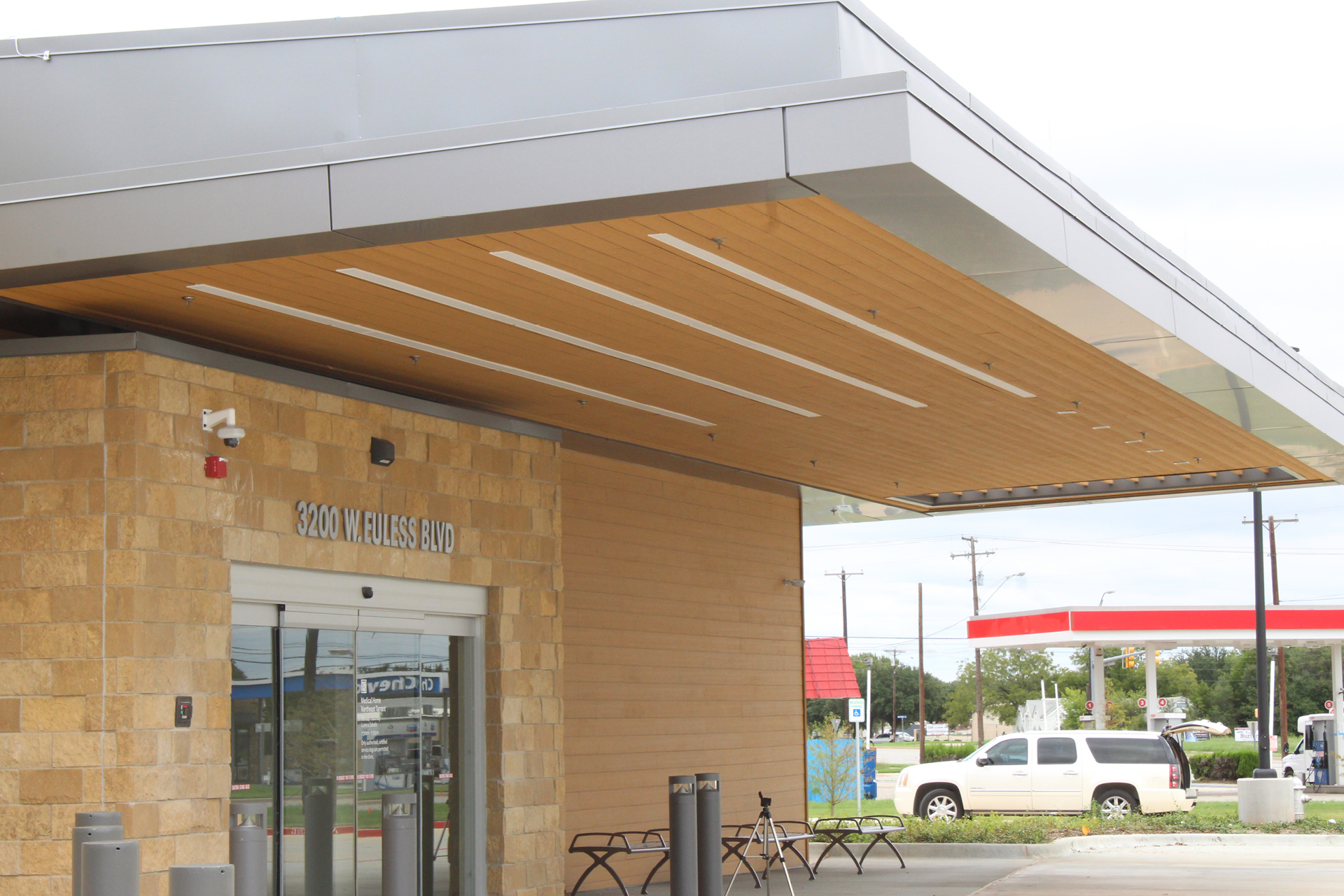
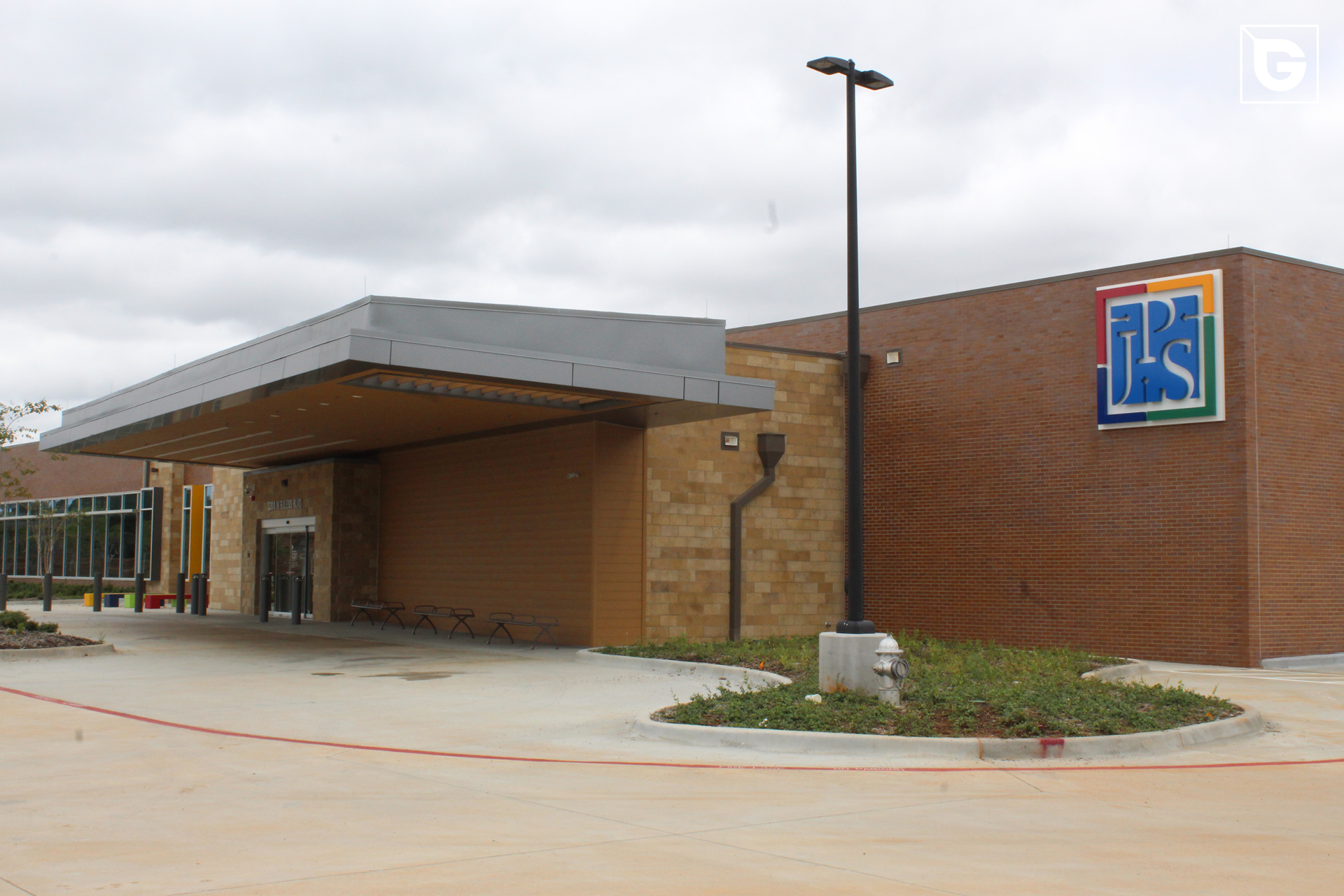 JPS Medical — TexasVertigo 5010, Teak — medical office building
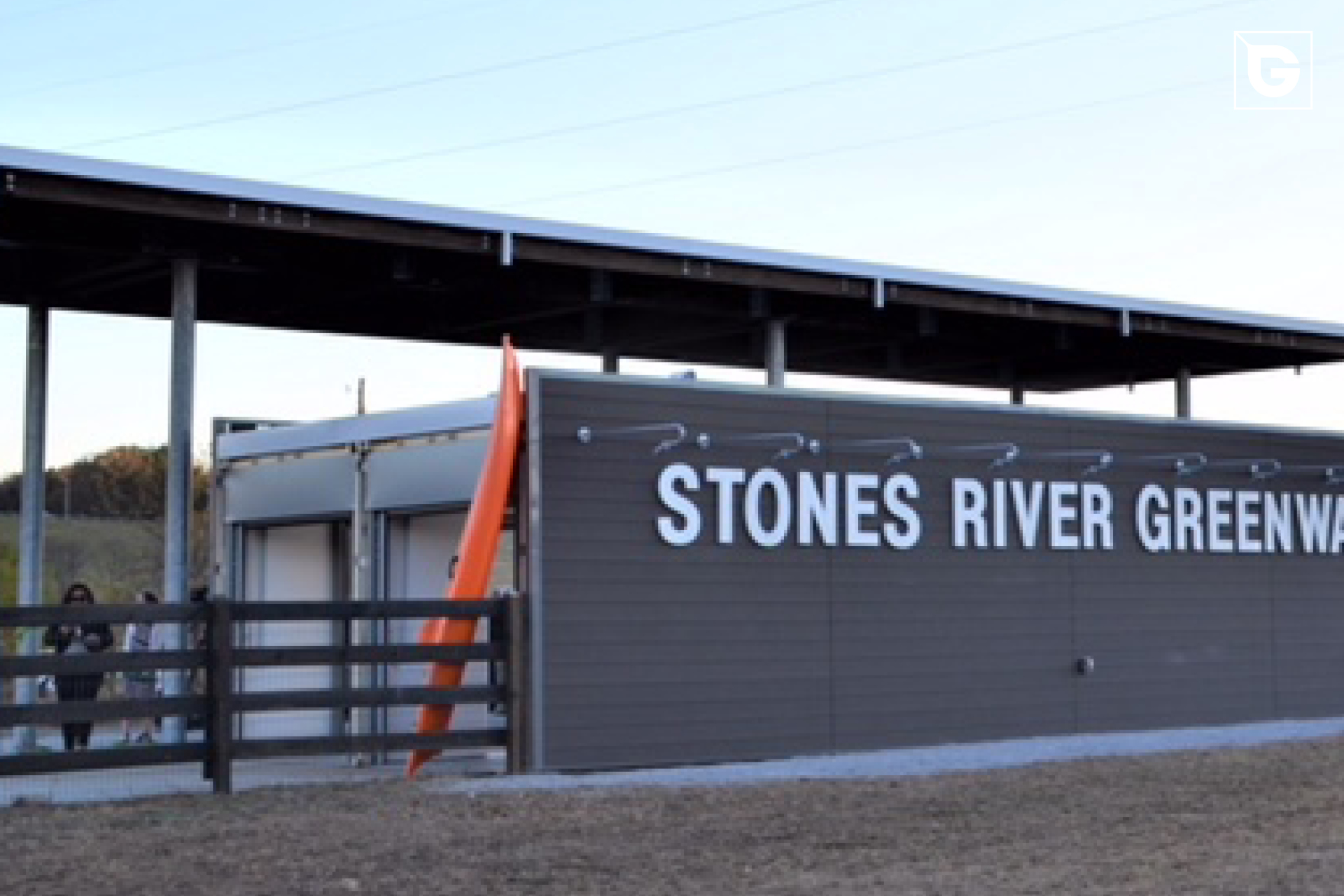
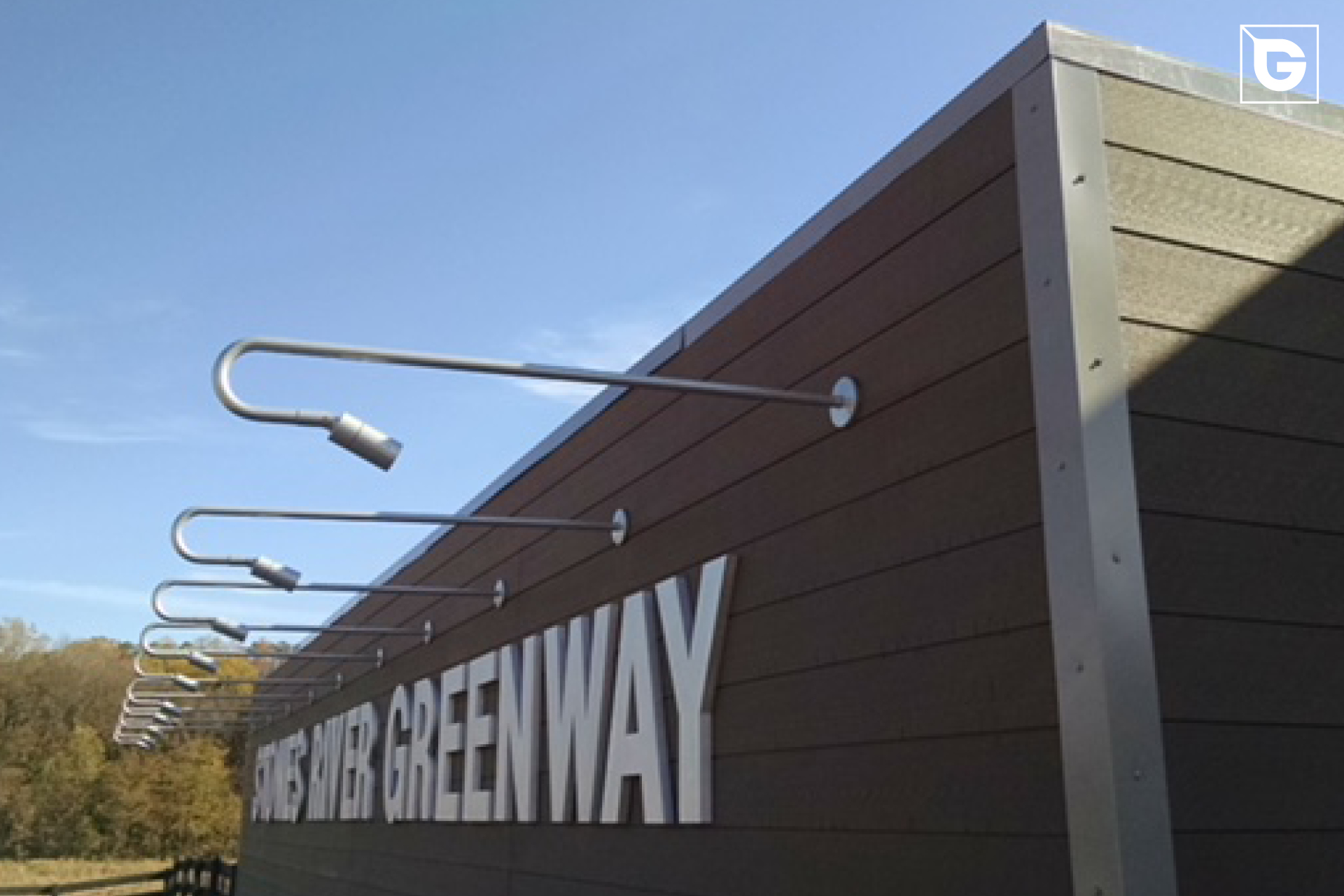 Metro Nashville Parks — TennesseeVertigo 5010, Rosewood — park pavilion
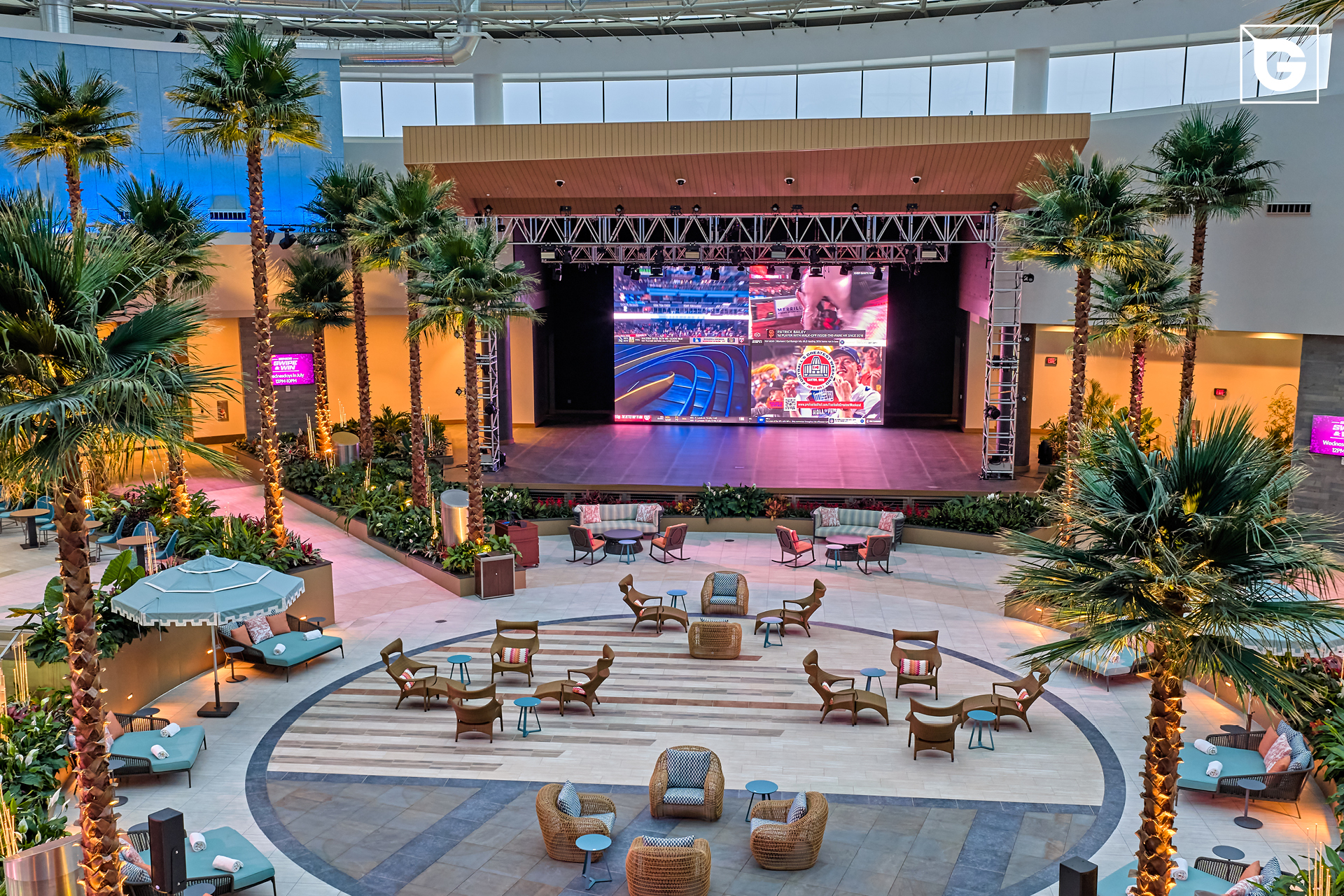 Gun Lake Casino Resort — MichiganVertigo 5010, Teak — resort canopy
From a Nashville hotel porte-cochère to a Michigan casino resort canopy, these five projects are real, documented tests of durability under different climates, pulled from Geolam’s own project gallery, none of the photography above is reused from the other cladding pages on this site. The gallery here is a small sample; Geolam’s full project archive includes more than 80 named commercial installations across North America.
See All Projects in the GalleryStandard finishes
Six wood-look tones, one sanded surface, overhead or on the wall.
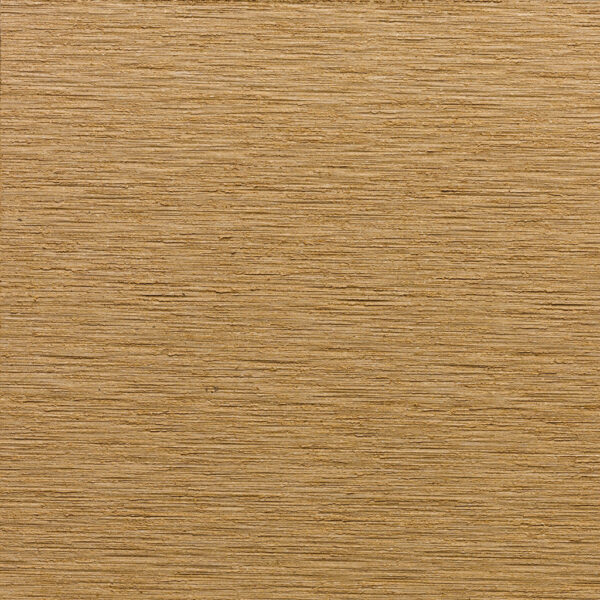
Teak
Warm, golden hardwood tone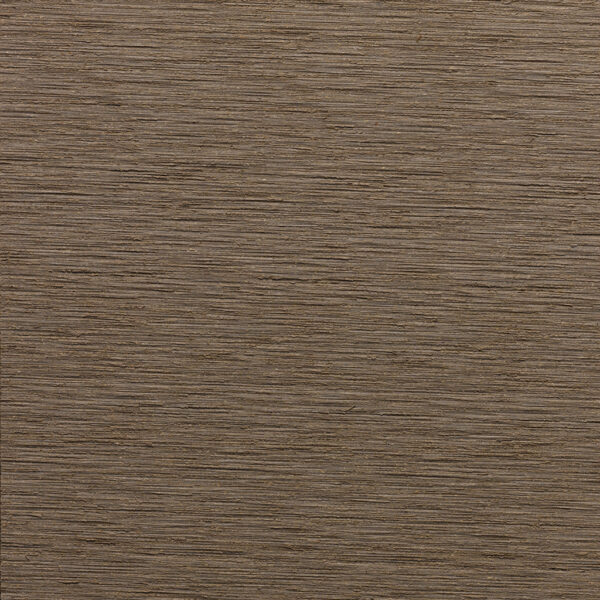
Moleskin
Cool, driftwood grey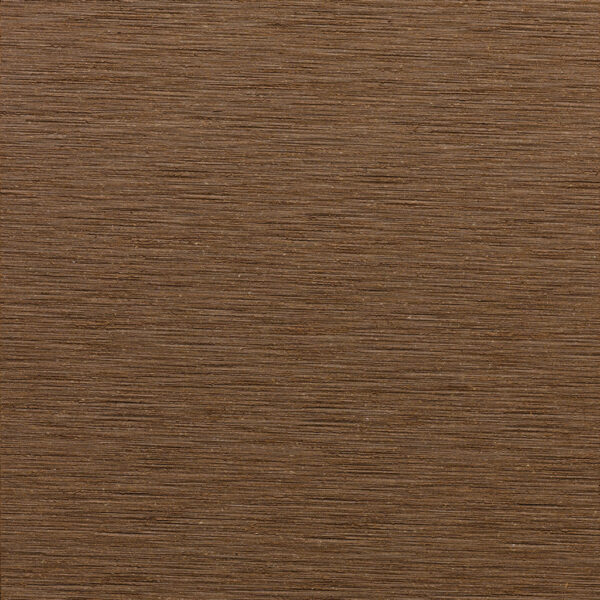
Rosewood
Deep reddish hardwood tone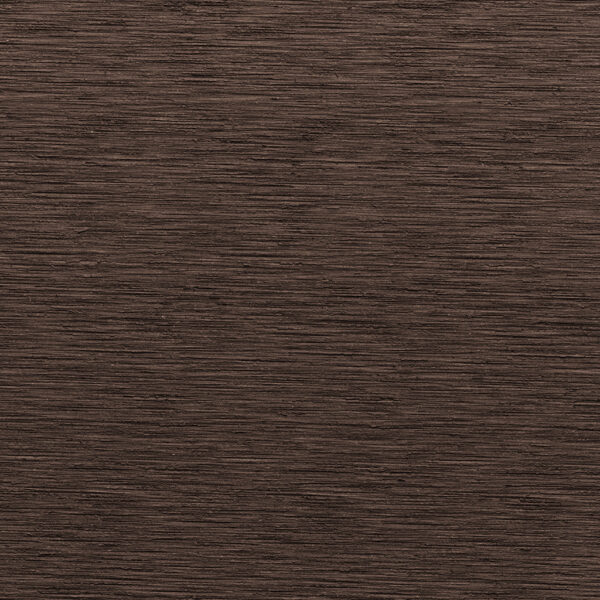
Ebony
Near-black, low-sheen finish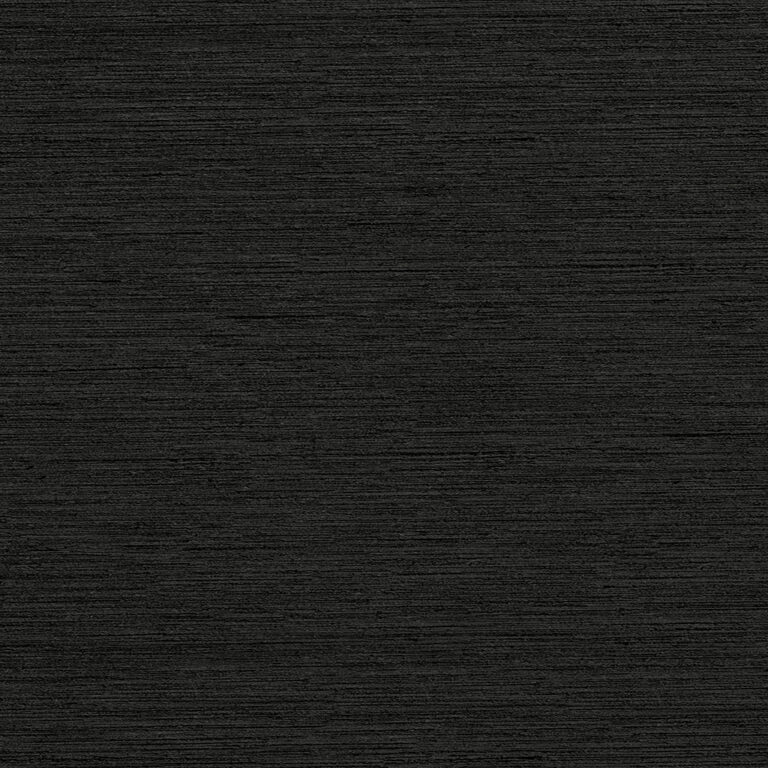
Carbon*
Deep matte black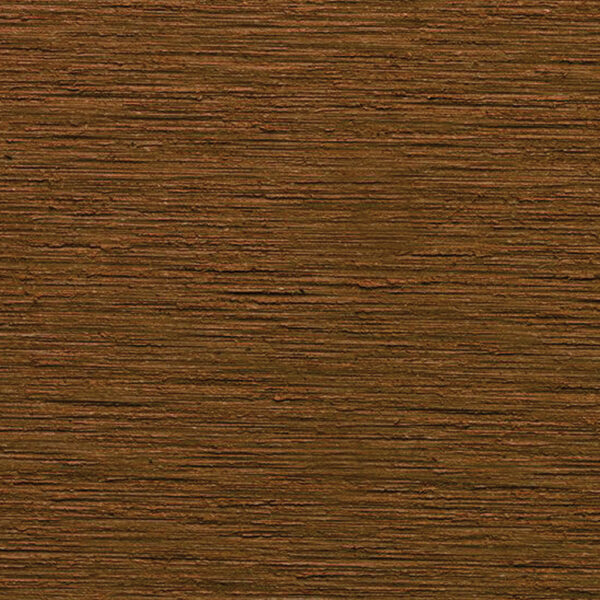
Bilinga*
Rich amber-brown hardwood tone*Non-standard color, 90-day lead time, 5,000 lineal ft minimum.
Ambient light hits a soffit wood grain surface differently than a wall, often bounced or shadowed rather than direct, which changes how a finish reads overhead. All four standard colors, Teak, Moleskin, Rosewood, and Ebony, ship with the same sanded finish whether the run ends up on a wall or overhead, and are stocked in the USA with no minimum order.
Carbon and Bilinga are available as special-order colors with a 90-day lead time and a 5,000 lineal foot minimum. A wood look vinyl soffit reads the same regardless of viewing angle since it’s printed; because overhead lighting can shift how a genuinely sanded tone reads, request a physical sample and view it under the canopy or eave conditions it will actually sit in before committing a full run.
Request Physical Samples
See it in 3D
Rotate, zoom, and switch colors on a real render of Vertigo 5010 before you request a physical sample.
Colors
What affects wood look soffit cost?
Pricing varies too much by project to quote a single number honestly. Here’s what actually drives it.
Get a project-specific number
Send your soffit area, preferred finish, and location to your local rep for an accurate quote, no guessing from an online calculator.
Request a Quote Find Your Local RepWhat architects say
Template placeholders below, replace with real client quotes before this page goes live.
“[Client quote goes here, one to two sentences on why they chose this wood-look soffit for this project.]”
“[Client quote goes here, one to two sentences on why they chose this wood-look soffit for this project.]”
Wood look soffit, common questions
What’s the difference between a wood look soffit and wood look cladding?
Mostly orientation and exposure. Soffit runs horizontally overhead, at eaves, canopies, and covered ceilings, and is largely shielded from direct rain. Wall cladding runs vertically and takes wind-driven rain head-on. Vertigo 5010 uses the same profile for both, just installed and fastened differently for each orientation.
Does wood look soffit need ventilation?
It depends on the building. If the soffit is part of a vented attic or roof assembly, yes, continuous airflow through the soffit is usually required by the assembly’s design, regardless of cladding material. Vertigo 5010 supports both vented and fully solid soffit designs, so the ventilation strategy is a design decision independent of the finish.
Is wood grain vinyl soffit a good alternative?
It’s the most common budget alternative, and it installs quickly at low upfront cost. The trade-offs are a printed rather than genuinely textured surface, a pattern that can repeat visibly on long eave runs, and combustibility that some jurisdictions restrict at the eave specifically.
Why does fire rating matter more at a soffit than on a wall?
Soffits sit directly beneath the roofline, close to the roof assembly and attic space. Some jurisdictions, particularly in wildfire-exposure zones, specifically require non-combustible material at the eave because that’s a common ignition point during ember exposure. Vertigo 5010 is tested non-combustible under ASTM E136.
How is wood look aluminum soffit different from a hybrid aluminum-composite soffit?
Solid or printed aluminum soffit is bare or coated metal, achieving its wood look through a dye-sublimation or printed finish. A hybrid like Vertigo 5010 co-extrudes an aluminum core with a genuine wood-fiber composite skin, then sands it, so the surface itself contains wood fiber rather than a graphic applied to the metal.
Can a wood look soffit sag over a long span?
Some materials can, particularly thinner vinyl panels without enough support behind them. An aluminum-core profile like Vertigo 5010 carries more structural rigidity than vinyl alone, which is part of why it holds a straight line better across longer canopy and eave runs.
Does a wood look soffit need to be repainted?
Not if the wood look comes from a sanded composite rather than paint. Vertigo 5010’s routine care is soap and water, with no staining, sealing, or repainting cycle, which matters more overhead than at eye level since any repaint means a ladder or lift.
What’s the difference between a soffit and a fascia?
The soffit is the horizontal panel covering the underside of an eave or overhang. The fascia is the vertical trim board that closes the outer edge where the roofline or canopy meets that soffit. They’re usually specified together but serve different structural roles.
Is wood look soffit suitable for residential projects, or only commercial?
Both. Wood look residential soffit applications, porches, entries, and covered patios, use the same material and colors as commercial canopy and eave work. Commercial and institutional projects more often specifically require the non-combustible rating an aluminum-core profile provides.
How much does wood look soffit cost installed?
It depends on whether the design is vented or solid, how much of the run needs custom lengths, and how difficult the soffit is to reach during installation, see the pricing factors above for the specific variables. Send your soffit area and scope to a local rep for an accurate number rather than a generic estimate.
Where can I get a sample of this wood look soffit material?
Request a physical sample directly from the manufacturer and view it under conditions similar to where it will actually be installed, overhead lighting reads differently than a sample viewed on a desk. Geolam ships physical samples of Vertigo 5010 in its standard colors on request.
Ready to see it in hand?
Order a physical sample box, or get a project-specific quote from a Geolam representative.
