
Wood Look Cladding
The grain is real. Vertigo 5010 gets its wood look from an actual sanded wood-fiber composite face, not a printed film or embossed pattern, wrapped around an aluminum core built for architectural exteriors.
Not all wood-look cladding gets there the same way.
Wood look cladding is any exterior panel engineered to read as wood without solid lumber’s maintenance and decay risk. Vinyl and PVC get there with a printed film, fiber cement with an embossed mold, aluminum with a dye-sublimation coating, and modified real wood by chemically treating actual timber. Each method reaches a similar look through a different process, and that process is what determines how the material actually performs over time.
Geolam’s Vertigo 5010 takes a different route: an aluminum core co-extruded with a wood-fiber composite skin, then sanded rather than printed to expose real grain and natural color variation. The result reads as wood look aluminum cladding because the surface genuinely contains wood fiber, not because a graphic sits on top of the metal.
Sanded, not printed
Real wood-fiber composite face, not a film or embossed mold.
Aluminum core
Non-combustible dimensional stability underneath the grain.
Natural variation
Grain and tone shift between boards, the way real hardwood does.
10-year warranty
Non-prorated, limited.
From aluminum billet to sanded wood-grain face.
Most wood-look materials add their grain as a last step, a print run or an embossing mold pressed into a finished panel. Vertigo 5010 builds it into the material itself, across five stages.
1. Aluminum billet: an anodized A6063S-T5 aluminum alloy forms the structural core, the same core carrying fire and dimensional performance for every color and finish.
2. Zero-moisture wood fiber: wood fiber is dried to 0% moisture content before it ever touches the extruder, the step that keeps a wood-look composite from warping or growing mold the way an improperly dried WPC can.
3. Triple co-extrusion: the aluminum core and the wood-fiber composite are extruded together as one profile, not laminated or glued as separate layers after the fact.
4. Bonded composite skin: the outer layer, roughly 22% of the profile, is where the wood fiber lives, bonded permanently to the aluminum beneath it.
5. Sanded wood-grain face: the final step removes material rather than adding it, exposing the composite’s natural grain and producing the board-to-board variation that a printed pattern can’t replicate. It’s the same five-stage process behind every one of Geolam’s wood look cladding panels.
Six ways to get a wood look. Only one of them is sanded.
A general market overview, not a claim about what Geolam sells. Geolam manufactures only the hybrid aluminum-core WPC row below.
| Type | How it gets the wood look | Typical finish | Where it’s used |
|---|---|---|---|
| Aluminum-core hybrid WPCGeolam makes this one | Sanded, exposing real wood fiber in the composite skin | Sanded, natural grain variation | Rainscreen facades, soffits, feature walls |
| Vinyl / PVC wood-look siding | Printed film embossed with a wood-grain texture | Repeating printed pattern | Residential siding, budget projects |
| Fiber cement wood-grain panels | Wood-grain texture molded into the cement board | Painted, embossed texture | Large-format exterior panels |
| Printed / sublimated aluminum | Dye-sublimation or printed film over solid metal | Printed coating on aluminum | Wood-look facades and soffits |
| Modified real wood | Thermal or chemical treatment of solid timber | Natural wood, treated for durability | Accent facades, premium siding |
| Solid WPC (no aluminum core) | Wood-plastic composite, sanded or brushed | Subtle brushed texture | Decking, some cladding |
These are general category patterns, not lab-tested claims about specific competing products. Actual performance varies by manufacturer.
Printed and embossed methods, vinyl, fiber cement, and printed aluminum, can look convincing up close, but the pattern repeats at a fixed interval and any scratch through the coating exposes what’s underneath. These are sometimes marketed as synthetic wood cladding or imitation wood cladding, different names for the same approach. Modified real wood is genuinely wood, so it ages and requires upkeep the way solid timber does, just on a longer clock than untreated lumber.
Geolam’s aluminum-core hybrid sits between those extremes: sanded rather than printed, so the grain is real and non-repeating, but built around a metal core rather than solid or modified lumber. When an aluminum cladding looks like wood up close, this sanded construction, not a coating, is usually why, and it’s often the aesthetic reason architects choose it for ground-floor work.
The look people search for, without the printed pattern.
Vertigo 5010 turns up in searches for wood look cladding, wood look composite cladding, and wood look aluminum cladding because it’s genuinely built to satisfy all three: an aluminum core, a real wood-fiber face, and a composite construction that ties them together.
Get Your SamplesThe profile: Vertigo 5010
Geolam’s aluminum wood look cladding panel, sanded for a genuine wood-look face and stocked in the USA.
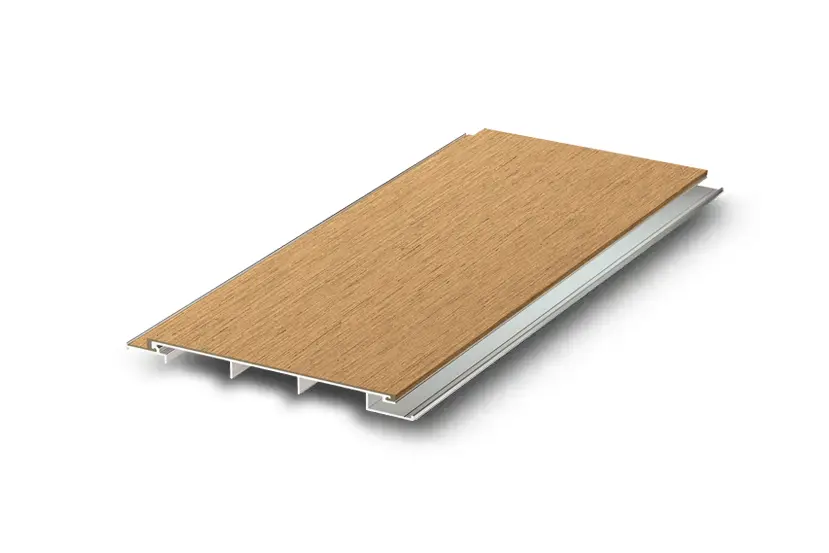
| Thickness | ½” | 13mm |
| Total width | 7¼” | 184mm |
| Usable width (exposure) | 6¼” | 160mm |
| Standard length | 12 ft | 3.66m |
| Custom lengths | 7 ft – 19’8″ | 2.15m – 6m |
| Weight | 0.80 lb/ft | 1.19 kg/ml |
| Fire rating | Non-combustible, ASTM E136 (appendix) |
| Core | Anodized aluminum alloy A6063S-T5 |
| Surface finish | Sanded wood-fiber composite (natural variation between runs) |
| Warranty | 10-year limited, non-prorated |
*Non-standard color, 90-day lead time, 5,000 lineal ft minimum.
Sanded Wood-Look vs. Printed & Embossed Alternatives
Vertigo 5010 compared against printed wood grain aluminum panels, the aluminium wood look cladding category it’s most often confused with at a glance.
| Parameter | Geolam Vertigo 5010 | Printed / Embossed Wood-Look |
|---|---|---|
| Grain Source | ✓ Real wood fiber, sanded to expose natural grain. | ✗ Printed film or molded emboss, a repeating graphic. |
| Pattern Repeat | ✓ Natural, non-repeating variation board to board. | ✗ Visible repeat at a fixed interval across a large elevation. |
| Scratch Behavior | ✓ Color runs through the material; sandable to repair. | ✗ A scratch exposes the substrate underneath the print. |
| Long-Term Fade | ✓ Tested for color stability per JIS K5400. | ✗ Printed coatings can fade unevenly, especially at seams. |
| Maintenance | ✓ Soap and water only. | ✗ Often needs a documented cleaning schedule to preserve the finish warranty. |
| Fire Rating | ✓ ASTM E136 non-combustible. | Varies by substrate (vinyl is combustible; printed aluminum can match). |
| Warranty | ✓ 10-year non-prorated warranty on the full profile. | Finish warranty often shorter than the substrate warranty. |
General comparison based on manufacturer spec sheets for each category; individual printed and embossed products vary by brand.
Download the Full Materials Comparison GuideWhy a real wood-fiber surface outperforms a graphic.
A printed or embossed wood look has a ceiling: it can only be as convincing as the print run or mold allows, and it can only stay that way as long as the coating stays intact. A sanded wood-fiber composite doesn’t have that ceiling, because the texture and color variation are part of the material, not applied to its surface. That’s also why Geolam dries its wood fiber to 0% moisture before extrusion, the step that keeps a wood-look composite dimensionally stable instead of warping the way an improperly processed WPC can.
The aluminum core adds the part sanding alone can’t: a non-combustible, dimensionally stable structure underneath the grain, the reason this wood finish cladding is sourced from largely recycled aluminum stock and remains infinitely recyclable at end of life.
Up close is where a printed wood look gives itself away.
A wood-look material earns its name at ten feet and loses it at ten inches, that’s the usual failure point for printed and embossed products. A repeating pattern reveals itself once someone stands close enough to see the same knot or grain line show up twice across an elevation, something a genuinely sanded surface simply doesn’t do.
That distinction matters most exactly where people get close: entry canopies, ground-floor storefronts, lobby feature walls. As an aluminium cladding wood look product, Vertigo 5010’s grain reads as authentic under that scrutiny because it is, the same reason architects specify it for pedestrian-height applications where a printed alternative would be under the most pressure to look real.
What upkeep looks like when the wood look is real.
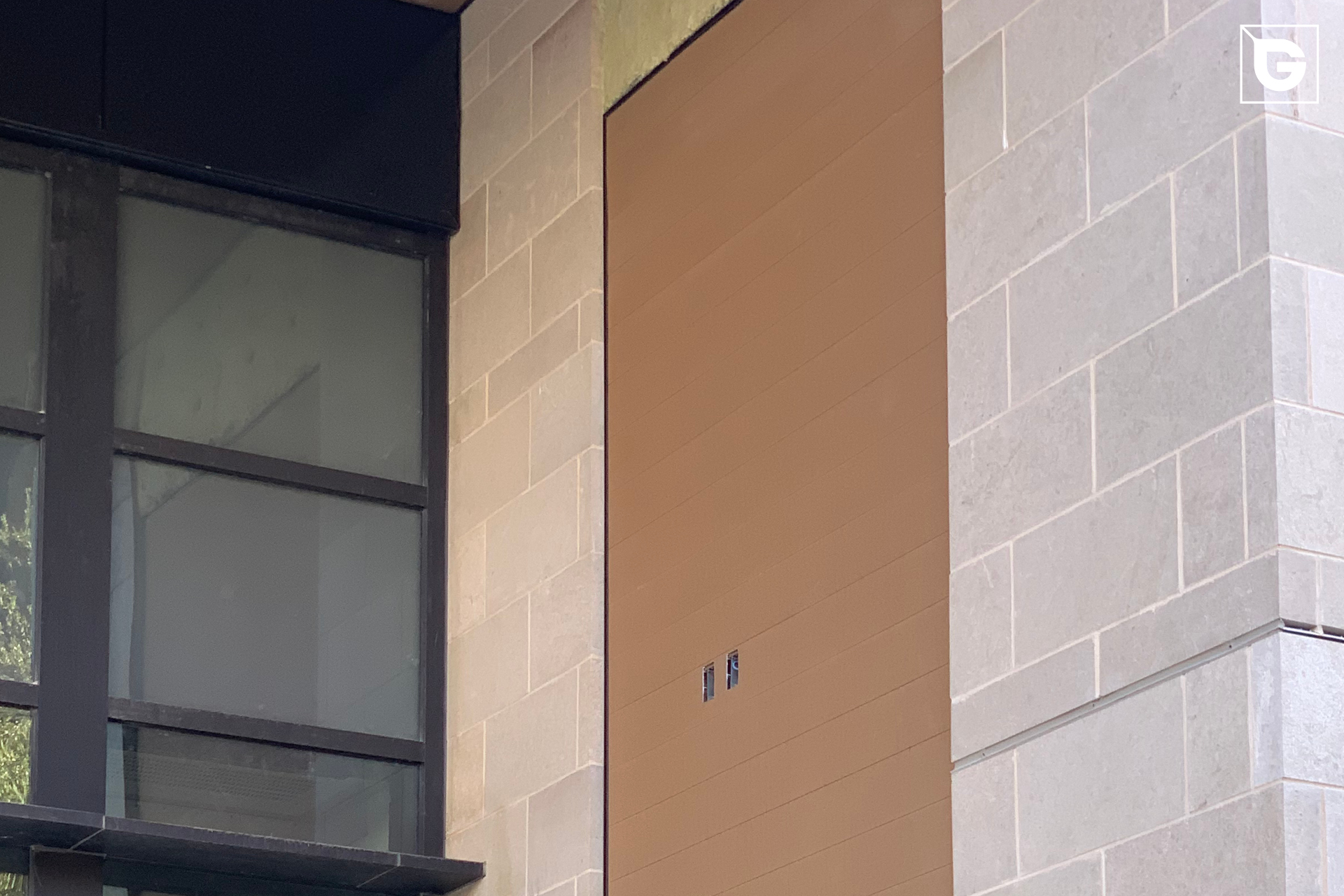
Printed and embossed wood-look finishes typically need a documented cleaning schedule to keep the finish warranty valid, since the coating itself is what’s being protected. Vertigo 5010’s routine care is soap and water, full stop, because there’s no separate coating layer sitting on top of the material to preserve.
Scratches are the clearest proof point: on a printed surface, a scratch exposes whatever’s underneath the graphic. On this cladding wood finish, the color runs through the composite itself, so a surface scratch can often be sanded out rather than requiring board replacement, an option a printed finish doesn’t have.
A grain that holds up is a grain that’s actually there.
Sun is the real test for any exterior wood finish cladding. Printed and dyed finishes are especially prone to uneven fading, since UV degrades pigment sitting at the surface faster in some spots than others, leaving a blotchy result rather than a uniform weathering. Vertigo 5010’s finish is tested for color stability under JIS K5400, so the grain fades evenly, if at all, rather than patchily.
As wood look exterior cladding, the aluminum core does the rest of the seasonal work: it doesn’t expand and contract the way modified real wood can across freeze-thaw cycles, and it won’t develop the surface checking that eventually shows through a thin printed coating after a few winters.
Who makes this wood-look cladding?
Geolam, Inc. is headquartered in Toronto, Ontario, and is the exclusive North American importer and distributor of Geolam® exterior building products manufactured in Japan. The underlying co-extrusion technology, bonding an aluminum core to a wood-fiber composite skin, was developed in Japan in the 1990s specifically to solve the problem printed and embossed wood-look products still work around today: getting a convincing, lasting wood appearance onto a material that isn’t solid lumber.
Wood Hybrid Systems, the triple-extrusion process behind that construction, reached the global market in 2012. Geolam, Inc. is SAM.gov registered for U.S. government work and keeps standard colors of this exterior wood look cladding stocked in the USA.
Certifications & performance attributes
Non-repeating grain
This composite wood look cladding varies board to board, no visible print repeat across an elevation.
Code-friendly
ASTM E136 non-combustible, unlike vinyl wood-look siding.
Sandable repair
Surface scratches can be sanded out, since the color isn’t a coating.
Even weathering
Color-stable finish ages uniformly instead of fading in patches.
Built with this wood-look aluminum-core cladding
Explore commercial projects using this sanded wood-look profile across North America, from wood look cladding exterior facades to interior feature walls.
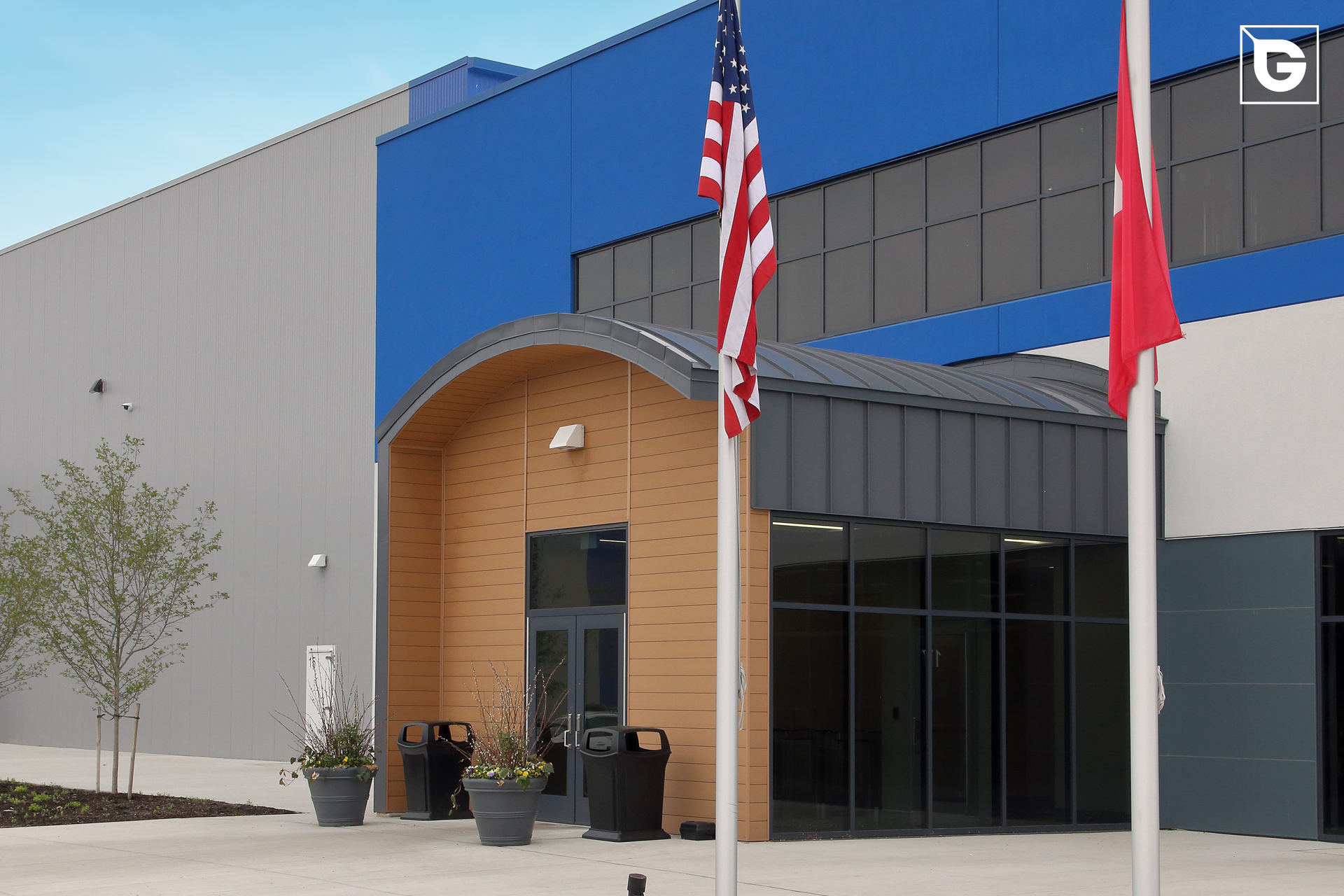
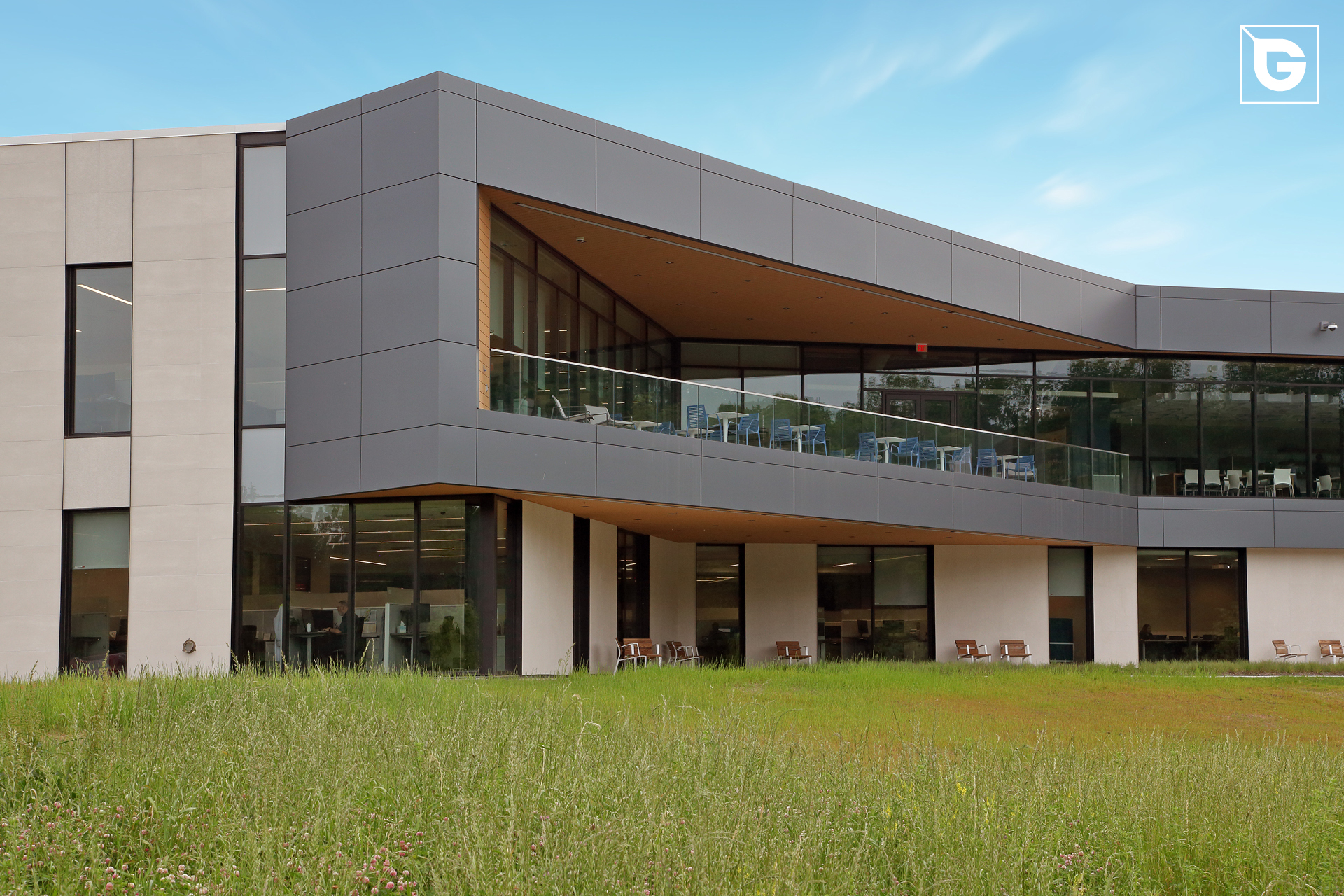 Great Lakes Cheese HQ — OhioVertigo 5010, Teak — office building
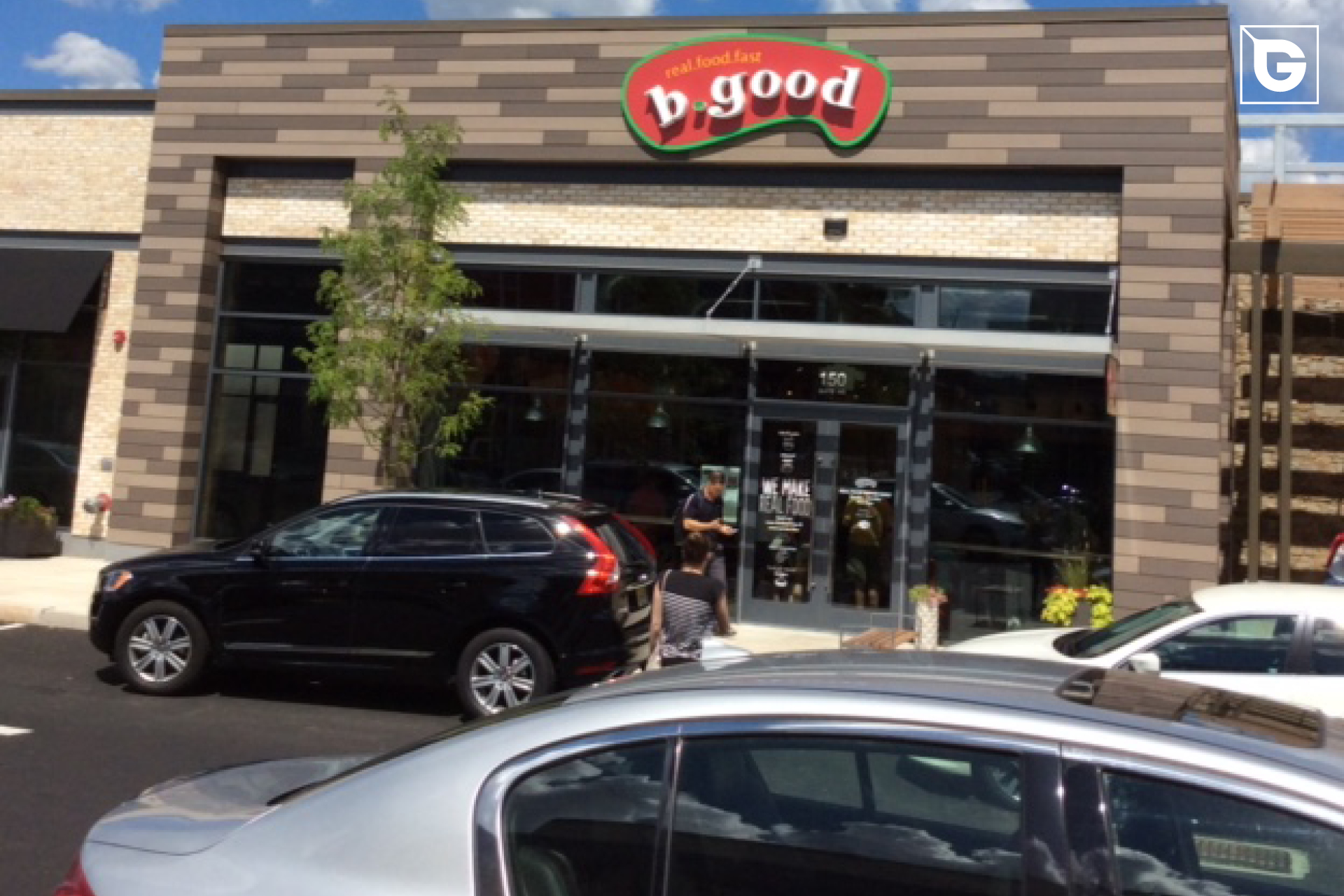
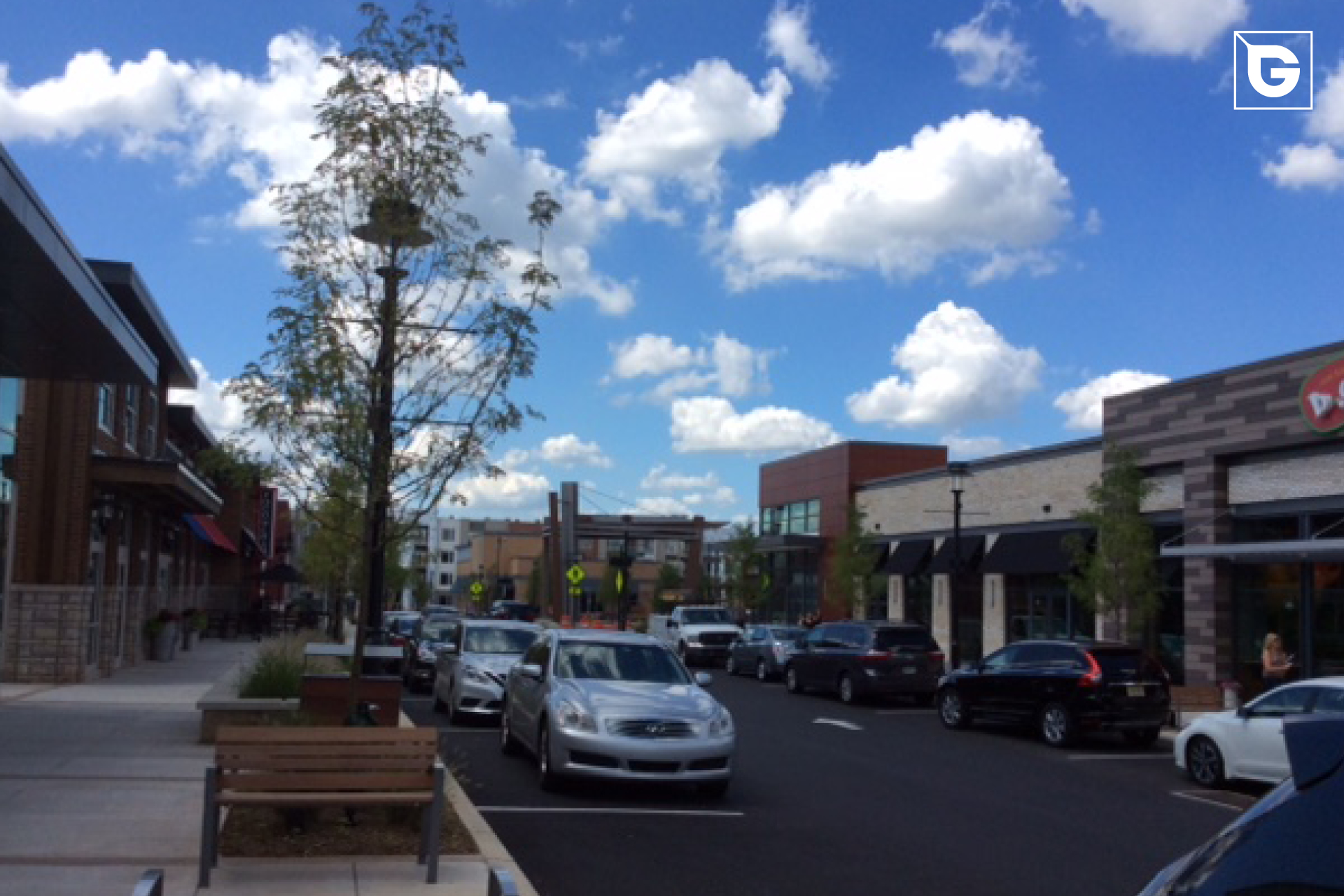 King of Prussia — PennsylvaniaVertigo 5010, Teak, Moleskin, Rosewood — public building
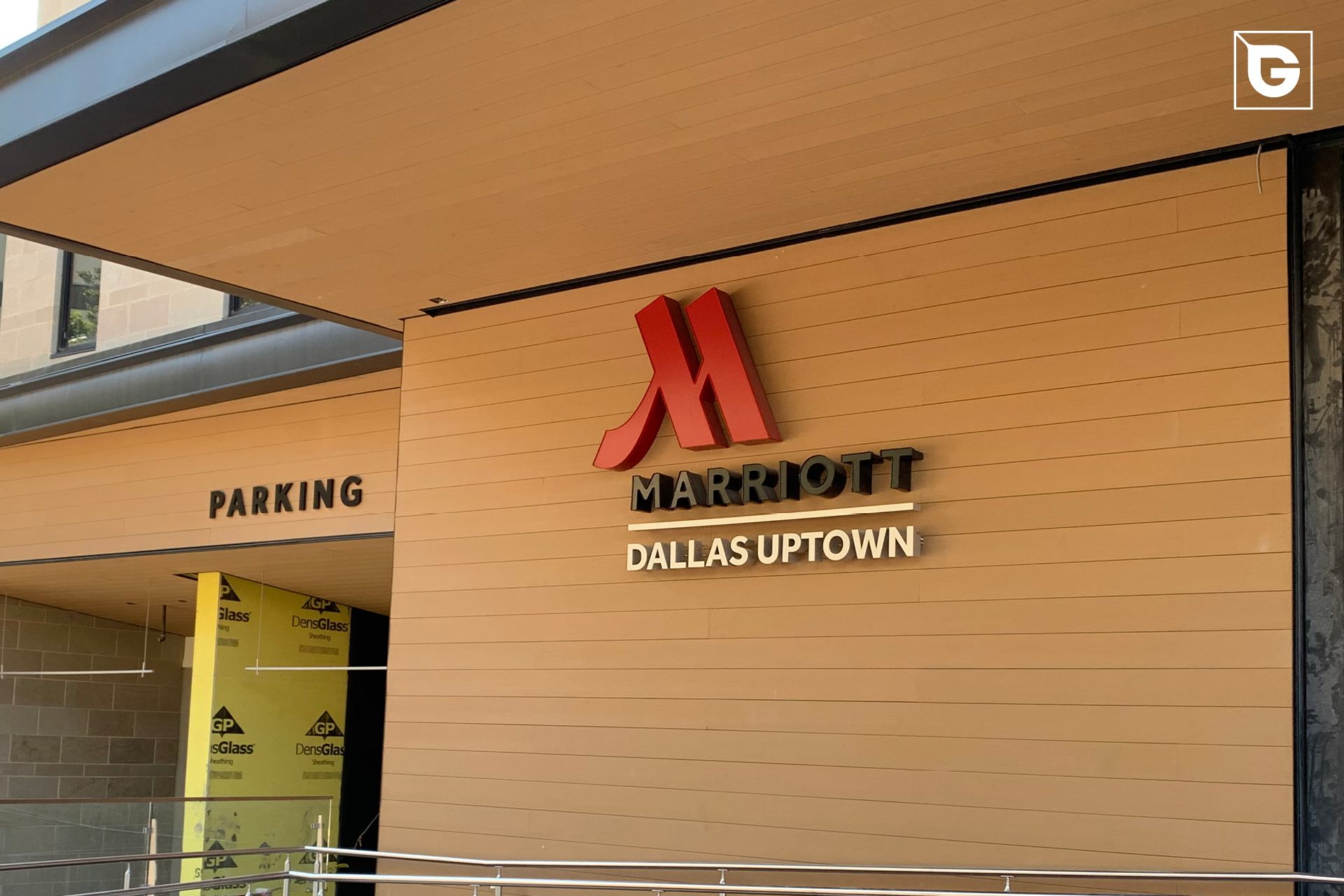 Marriott Dallas Uptown — TexasVertigo 5010, Teak — hospitality
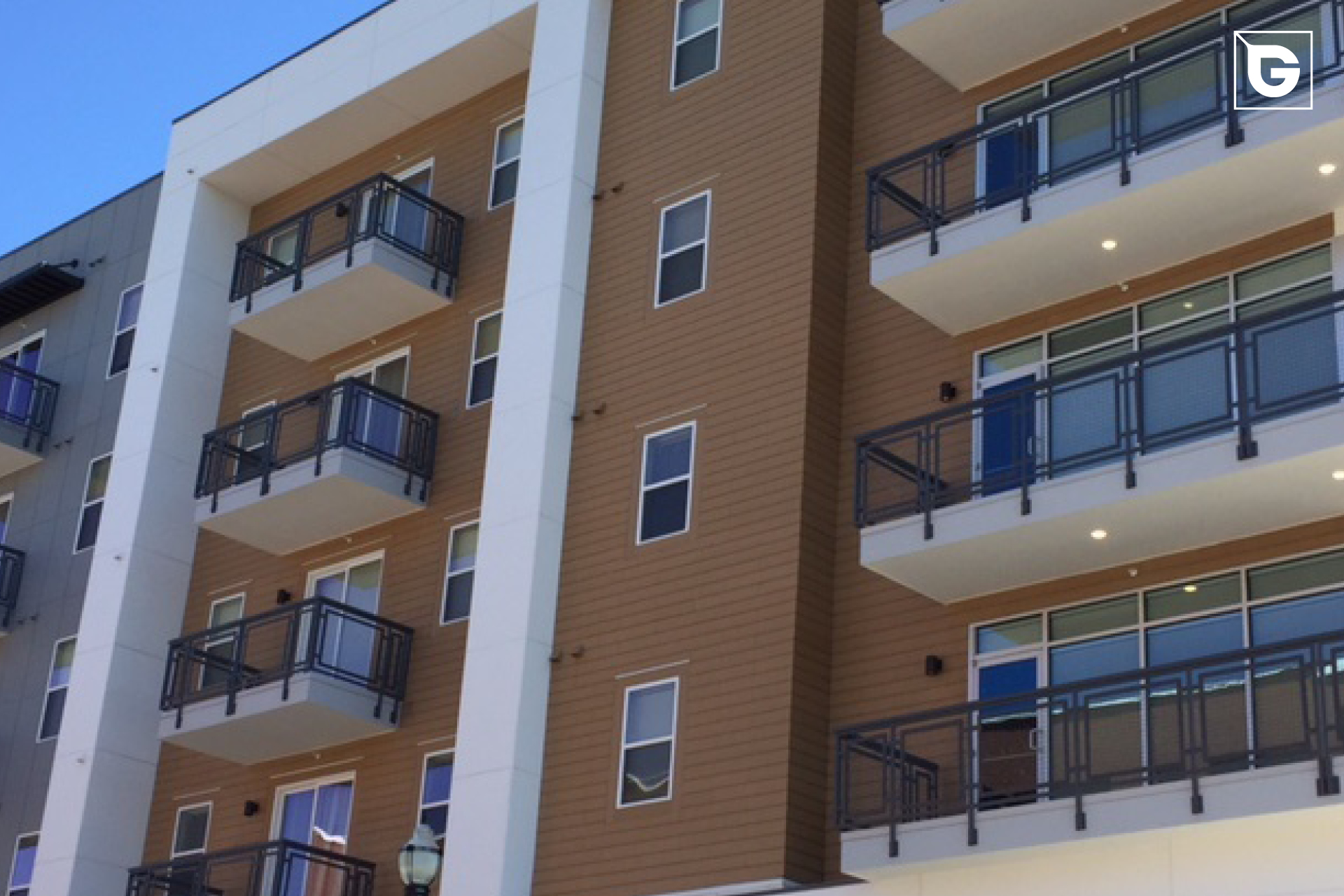 The Cleo — TennesseeVertigo 5010, Teak — public building
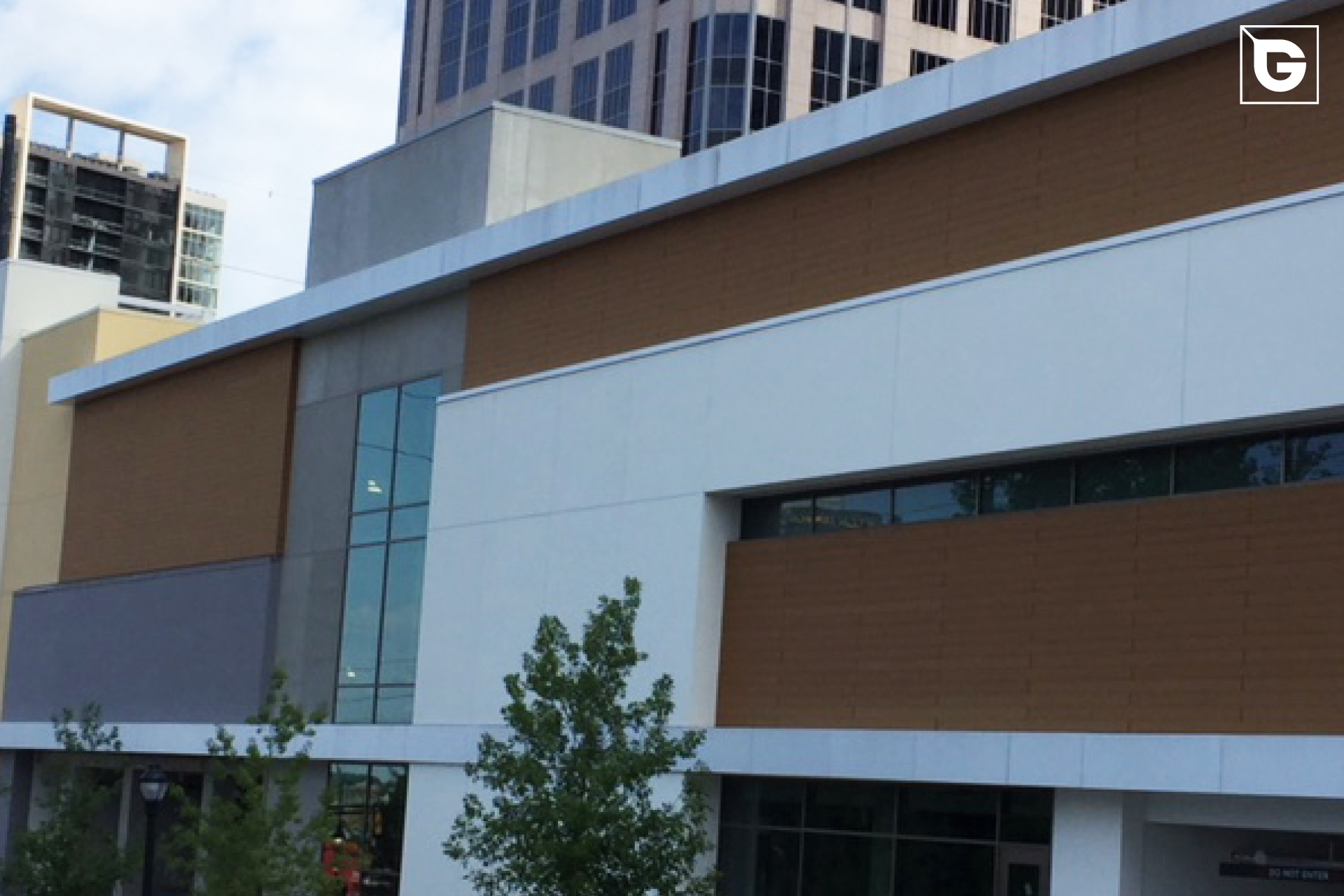 Whole Foods — GeorgiaVertigo 5010, Teak — retail
From a dairy manufacturer’s Ohio headquarters to a Dallas hotel entrance, these five projects are real, documented installations of this aluminum cladding wood finish pulled from Geolam’s own project gallery, none of the photography above is reused from the other cladding pages on this site. The gallery here is a small sample; Geolam’s full project archive includes more than 80 named commercial installations across North America.
See All Projects in the GalleryStandard finishes
Six wood-look tones, one sanded surface.
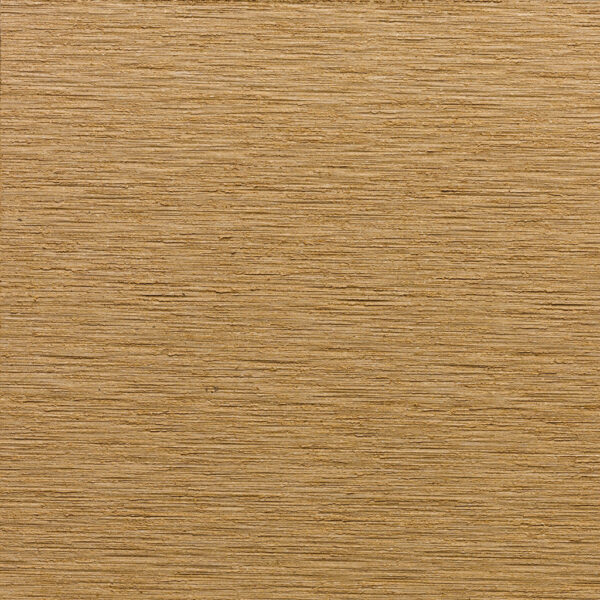
Teak
Warm, golden hardwood tone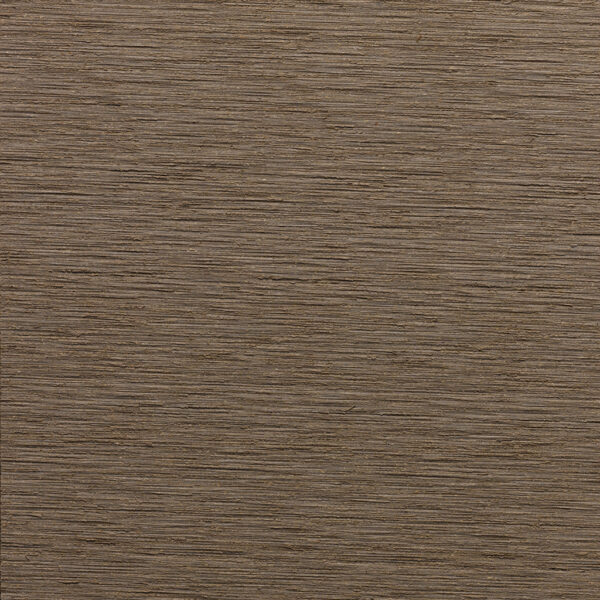
Moleskin
Cool, driftwood grey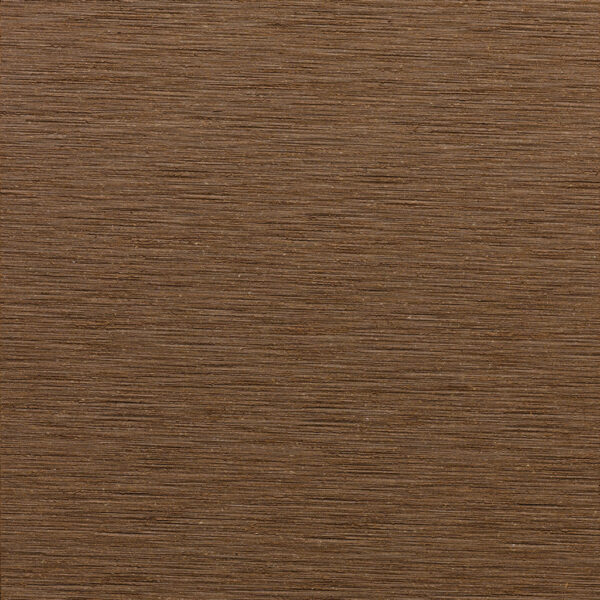
Rosewood
Deep reddish hardwood tone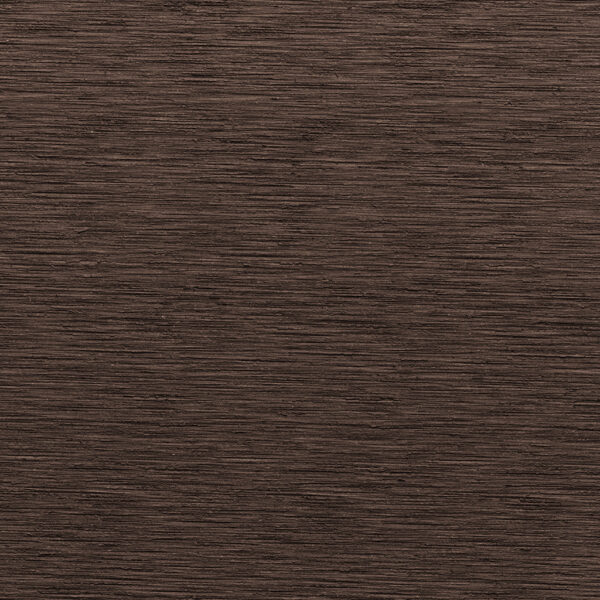
Ebony
Near-black, low-sheen finish
Carbon*
Deep matte black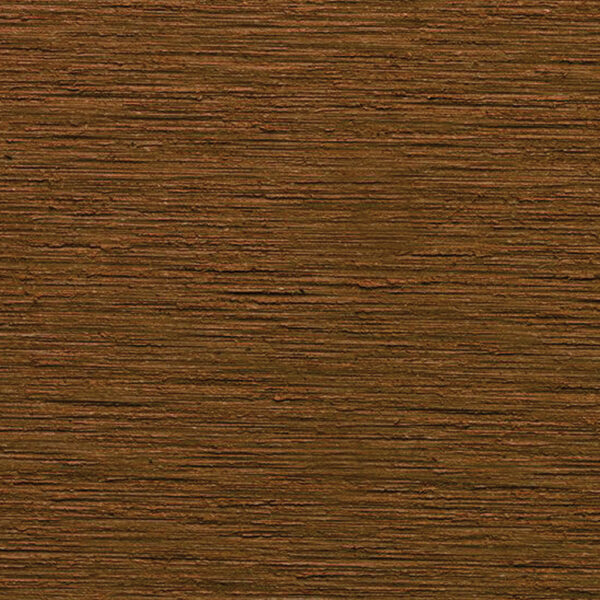
Bilinga*
Rich amber-brown hardwood tone*Non-standard color, 90-day lead time, 5,000 lineal ft minimum.
Because the wood look here comes from sanding rather than printing, each standard color, Teak, Moleskin, Rosewood, and Ebony, carries its own natural grain variation instead of a fixed, repeatable pattern. That’s the trade a typical faux wood cladding or set of faux wood exterior panels can’t make: a printed wood-look product looks identical from board to board by design, while a sanded composite reads more like an actual hardwood run, close, but never perfectly uniform.
All four standard colors are stocked in the USA with no minimum order. Carbon and Bilinga are non-standard special orders with a 90-day lead time and a 5,000 lineal foot minimum. Because grain and tone vary naturally, request a physical sample rather than judging the finish from a screen.
Request Physical Samples
See it in 3D
Rotate, zoom, and switch colors on a real render of Vertigo 5010 before you request a physical sample.
Colors
What affects wood look cladding cost?
Pricing for any wood grain cladding varies too much by project to quote a single number honestly. Here’s what actually drives it.
Get a project-specific number
Send your elevation area, preferred finish, and location to your local rep for an accurate quote, no guessing from an online calculator.
Request a Quote Find Your Local RepWhat architects say
Template placeholders below, replace with real client quotes before this page goes live.
“[Client quote goes here, one to two sentences on why they chose this wood-look cladding for this project.]”
“[Client quote goes here, one to two sentences on why they chose this wood-look cladding for this project.]”
Wood look cladding, common questions
What does “wood look cladding” actually mean?
It’s an umbrella term for any cladding that looks like wood without being solid, untreated lumber, sometimes searched more plainly as wood looking cladding. That covers several different methods: printed vinyl or fiber cement, printed or sublimated aluminum, thermally or chemically modified real wood, and hybrid composites like Vertigo 5010, which achieves the look with a sanded, wood-fiber composite face over an aluminum core.
Is wood-look cladding made from real wood?
It depends on the product. Modified real wood is genuinely solid timber, chemically or thermally treated for durability. Vinyl, fiber cement, and printed aluminum use no real wood at all, just a printed or embossed pattern. Vertigo 5010 sits in between: its composite skin contains actual wood fiber, sanded to expose real grain, bonded to an aluminum core rather than sold as solid lumber.
Does wood-look cladding fade or lose its grain over time?
Printed and embossed finishes are the most prone to visible fading, since a coating sitting on the surface degrades under UV faster than the material beneath it, often unevenly. A genuinely sanded wood-fiber composite, tested for color stability rather than relying on a surface coating, tends to weather more evenly over the same exposure.
What’s the difference between wood-look cladding and modified real wood cladding?
Modified wood cladding is real solid timber, treated thermally or chemically to resist rot and insects, so it’s genuinely wood rather than a wood-look substitute. It still requires the periodic upkeep solid wood needs, on a longer cycle than untreated lumber. Wood-look cladding, aluminum-core hybrids included, aims to deliver a similar appearance without that upkeep cycle.
Can wood-look cladding be installed both vertically and horizontally?
Yes, most engineered wood-look panels, including Vertigo 5010, support both orientations with the same fastening system. Vertical runs are common for wood look wall cladding on feature walls and entry accents; horizontal runs are more typical for full elevations and facades.
How can I tell real wood-fiber cladding from a printed imitation?
Look closely at a large elevation: a printed or embossed finish repeats its pattern at a fixed interval, so the same knot or grain line eventually shows up more than once. A sanded, wood-fiber composite doesn’t repeat that way, since the variation comes from the material itself rather than a print run. Requesting a physical sample, rather than judging from a photo, is the more reliable test either way.
Is wood-look aluminum cladding fire-resistant?
It depends on construction. Solid or hybrid aluminum-core wood-look products, including Vertigo 5010, are commonly tested non-combustible under ASTM E136. Vinyl wood-look siding, by contrast, is a combustible plastic and doesn’t carry the same fire classification.
Does wood-look composite cladding need to be sealed or stained?
Not if the wood-look surface is genuinely part of the composite rather than a coating. Vertigo 5010’s routine care is soap and water, with no staining, sealing, or refinishing cycle, because there’s no separate finish layer to maintain.
How long does wood-look cladding last outdoors?
It varies significantly by category. Printed and embossed finishes are often warrantied on the finish separately, and more conservatively, than the substrate underneath them. Vertigo 5010 carries a single 10-year non-prorated warranty on the full profile, backed by a documented 35-plus year track record for the underlying aluminum-core hybrid technology.
What’s the most realistic-looking wood-look cladding material?
Realism generally tracks with how the grain is produced rather than the base material. Sanded surfaces, which expose grain already present in the material, read as more convincing up close than printed or molded patterns, which are limited by the resolution and repeat interval of the print or mold.
Can wood-look cladding be used on both residential and commercial buildings?
Yes. Wood-look cladding panels appear on single-family homes, multi-family developments, and commercial or institutional buildings alike. Commercial and institutional projects more often require the non-combustible fire rating that aluminum-core or fiber cement options provide, over vinyl or unmodified wood alternatives.
Is wood-look cladding the same thing as wood-look siding?
They’re closely related but not identical terms. “Siding” more often describes lighter-duty, residential-grade products and installation methods. “Cladding” more often describes commercial or institutional-grade systems with engineered panels, documented fire ratings, and CSI specification support, the category Vertigo 5010 is built and tested for.
Where can I get a sample of wood-look cladding before ordering?
Request a physical sample directly from the manufacturer rather than relying on a screen or a photo, wood-look finishes, sanded or printed, are notoriously hard to judge accurately online. Geolam ships physical samples of Vertigo 5010 in its standard colors on request.
Ready to see it in hand?
Order a physical sample box, or get a project-specific quote from a Geolam representative.
