
Wall Cladding
Aluminum-wood composite wall cladding panels and systems for exterior facades and interior feature walls, built on Geolam’s co-extruded Vertigo profile.
The engineered layer that covers, protects, and finishes a wall.
Wall cladding is a non-structural material applied over a wall, exterior or interior, to protect it, insulate it, or finish it decoratively. Wall cladding panels range across material categories: PVC, wood, fiber cement, aluminum, and composite, each suited to different budgets, appearances, and performance needs. Wall cladding systems for exterior use typically prioritize weather resistance; wall cladding solutions for interior walls prioritize appearance and acoustic or fire performance.
This page covers wall cladding broadly and interior wall cladding specifically in depth. If you’re working an exterior-only project, our dedicated Exterior Wall Cladding page goes deeper on that application.
Indoor & outdoor rated
Vertigo 5010 is suited to both interior and exterior wall cladding.
Non-combustible
ASTM E136 tested, fire-resistant enough for interior specification.
Vertical or horizontal
Long run wall cladding panels install either orientation.
10-year warranty
Non-prorated, limited.
How wall cladding systems work.
The same core assembly applies whether the wall cladding panel is going on an exterior facade or an interior feature wall, though a few layers change depending on the application.
1. Cladding panel: the exposed, visible face, wood, PVC, fiber cement, aluminum, or a composite hybrid like Vertigo 5010.
2. Air cavity and furring: present on ventilated exterior wall cladding systems, generally omitted for interior wall cladding.
3. Drainage plane: required outdoors, irrelevant indoors, since interior walls aren’t managing bulk water.
4. Sheathing or gypsum: the substrate the panel or furring fastens over, sheathing outside, gypsum board inside.
5. Wall structure: the studs or framing carrying the load, same either application.
Bringing the same material indoors, without the outdoor assembly.
Interior wall cladding, sometimes called inside wall cladding, serves a different job than exterior panels: it’s chosen almost entirely for appearance, acoustic softening, and durability in high-traffic spaces, not for weather resistance. Lobbies, corridors, retail interiors, and hospitality spaces are the most common applications for decorative interior wall cladding.
Vertigo 5010 is rated for indoor use as well as outdoor, in large part because of its fire resistance, ASTM E136 non-combustible testing that matters as much for a commercial interior as it does for a facade. As WPC interior wall cladding, it installs without the drainage plane and air cavity an exterior application needs: panels mount directly to furring strips over gypsum board, indoors, with the same fastening system used outside.
Cladding for interior walls is priced and ordered the same way as exterior stock; interior wall cladding suppliers, Geolam included, don’t require a separate product line for indoor use, the same Vertigo 5010 board and colors apply.
One wall, doing the design work for an entire room, or entrance.
A feature wall is a single accent surface, indoor or outdoor, meant to draw the eye rather than clad an entire elevation. Feature wall cladding ideas typically pair a warm, textured material against a neutral surrounding palette: a wood-look composite behind a reception desk, a vertical-run panel wall behind a bar, or an aluminium feature cladding accent framing an entrance.
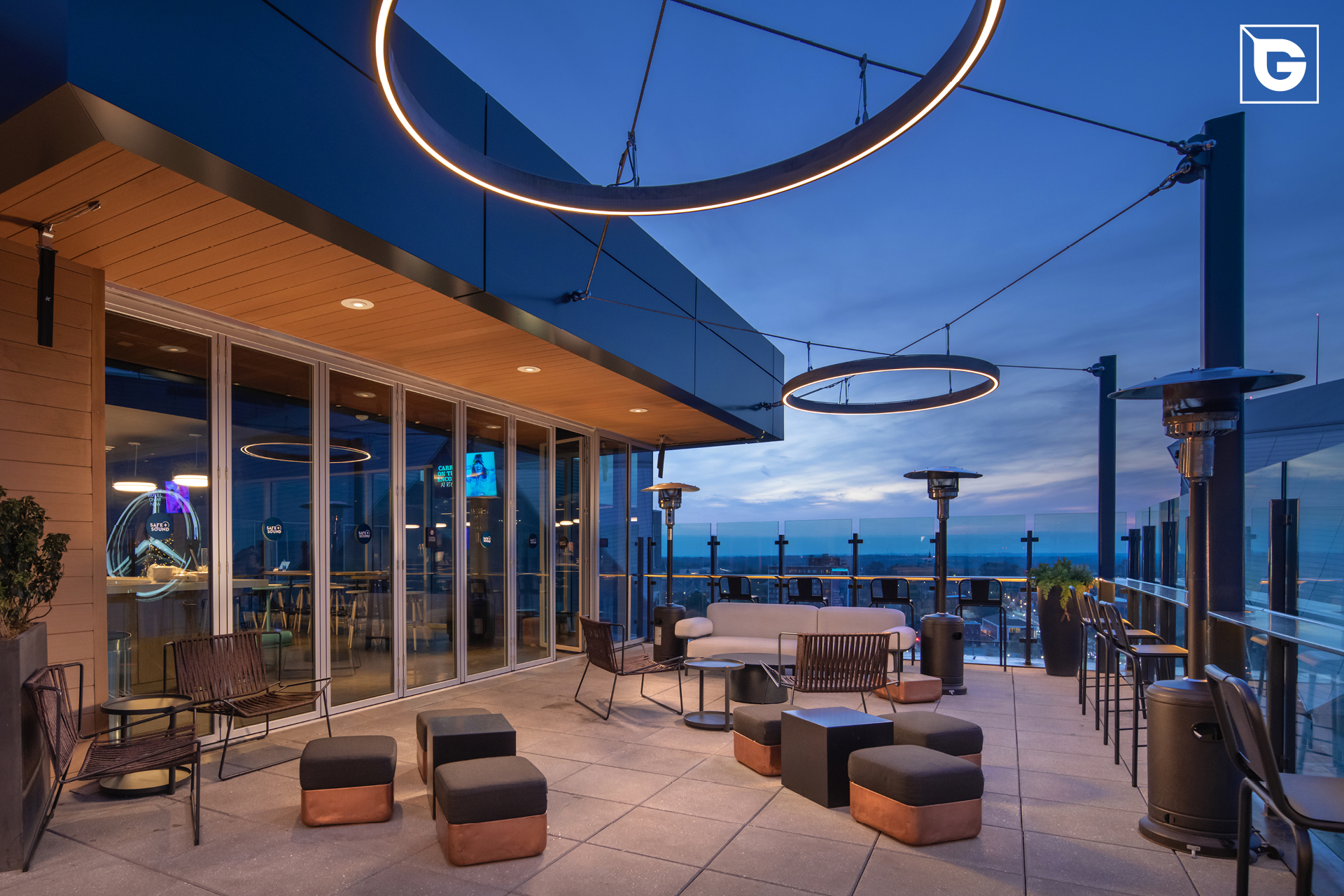
Outdoor feature wall cladding, and exterior feature wall cladding more specifically, follows the same logic at building scale: an entry canopy, a monument sign wall, or a single accent elevation clad differently than the rest of the facade. Vertigo 5010’s six colors and both vertical and horizontal orientation options make it a common choice for feature cladding panels precisely because one material covers both the accent wall and the surrounding field, if that’s the design intent, without switching products.
Choosing the right wall cladding.
Wall cladding solutions span more material categories than most other exterior or interior finishes. Here’s how the major ones compare:
| Material | Maintenance | Appearance | Durability | Moisture Resistance | Typical Use |
|---|---|---|---|---|---|
| CompositeBest Overall | Low | Natural wood look | High | Excellent | Interior & exterior wall cladding |
| Wood | High | Natural | Moderate | Moderate | Accent and feature walls |
| PVC | Low | Uniform, printed | Moderate | Good | Budget-driven interior panels |
| Fiber Cement | Low | Modern | High | High | Large-format exterior panels |
| Aluminum | Low | Contemporary | High | Excellent | Curtain wall, metal panel systems |
These are general material-category patterns, not lab-tested claims about specific competing products. Actual performance varies by manufacturer.
PVC wall cladding is usually the budget entry point, low cost, low maintenance, but a printed rather than genuinely textured surface, and it doesn’t carry the same fire performance as aluminum or composite. Fiber cement and aluminum lead on exterior durability but read as industrial for interior specification. Solid wood remains unmatched for warmth but carries the highest maintenance burden and the least fire resistance of the five.
Engineered wall cladding systems like Vertigo 5010 sit deliberately across categories: an aluminum core for durability and fire performance, a genuinely sanded wood-composite face for appearance, suited to both interior and exterior wall cladding without the trade-offs of PVC or the maintenance of solid wood.
One panel, inside and out.
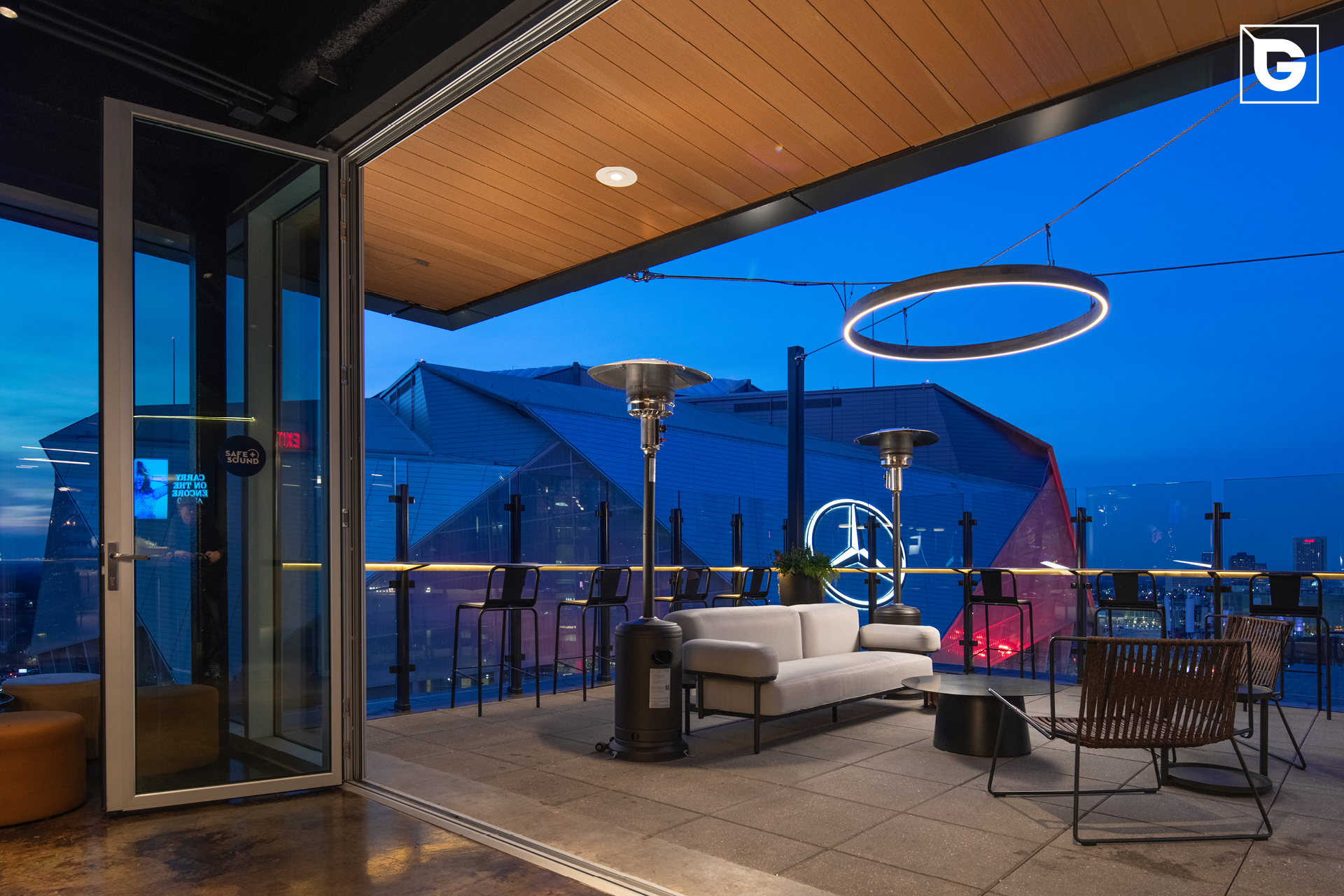
Vertigo 5010’s aluminum-wood construction is rated for interior and exterior use alike, so architects can spec one wall cladding panel across a lobby feature wall and the building’s exterior without introducing a second material.
Get Your SamplesVertigo 5010: Geolam’s Wall Cladding Panel
Vertigo 5010 is built by co-extruding an aluminum core with a sanded wood-composite face, rated for both interior and exterior wall cladding. Here’s the full spec sheet.
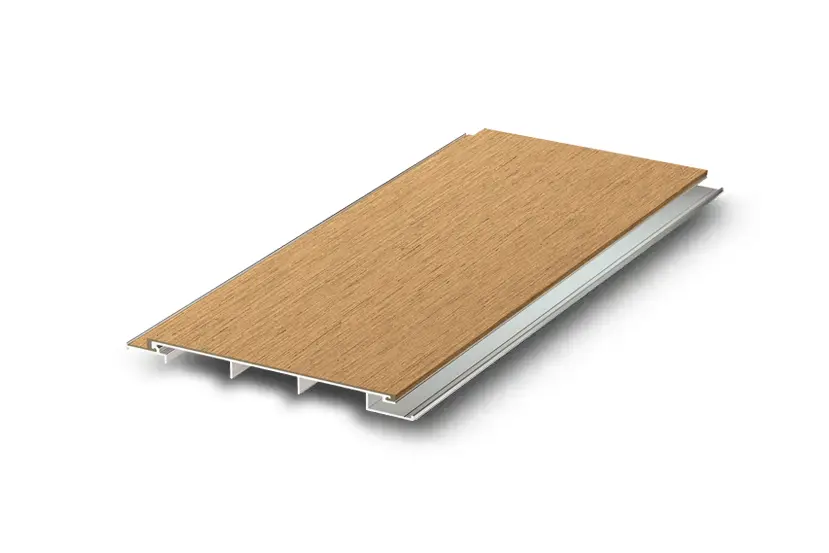
| Thickness | ½” | 13mm |
| Total width | 7¼” | 184mm |
| Usable width (exposure) | 6¼” | 160mm |
| Standard length | 12 ft | 3.66m |
| Custom lengths | 7 ft – 19’8″ | 2.15m – 6m |
| Weight | 0.80 lb/ft | 1.19 kg/ml |
| Fire rating | Non-combustible, ASTM E136 (appendix) |
| Core | Anodized aluminum alloy A6063S-T5 |
| Max tensile strength | 186 MPa |
| Modulus of elasticity | 68.9 GPa |
| Surface finish | Sanded (may vary slightly between runs) |
| Warranty | 10-year limited |
*Non-standard color, 90-day lead time, 5,000 lineal ft minimum.
Vertigo 5010 Compared with Solid WPC Wall Cladding
See how Vertigo 5010 compares with conventional solid WPC wall cladding across installation, maintenance, durability, appearance, and recyclability.
| Parameter | Geolam Vertigo 5010 | Solid WPC |
|---|---|---|
| Superior Aesthetic | ✓ Hybrid uses real wood with authentic color variation and natural grain. | ✓ Subtle brushed aesthetic. ½”–⅝” butt joints. |
| Ease of Installation | ✓ Arrives jobsite-ready with or without furring. | ✗ Requires furring strips and clips; gloves required during install. |
| Life Cycle Cost | ✓ Zero aesthetic maintenance required. | ✗ No refinishing required, but regular cleaning needed. |
| Scratch Resistance | ✓ Scratch-resistant, may be sanded to repair. | ✗ May scratch easily, but can be sanded. |
| End-of-Life Recyclability | ✓ Fully recyclable. | ✓ Fully recyclable. |
| Environmental Impact | ✓ Certified Eco-Mark product; predominantly post-consumer recycled; ISO 9001 / ISO 14001. | ✓ 50% wood biofiber, not from recycled source; PVC thermoplastic toxic if burning. |
| Span Options | ✓ Custom lengths to 19’8″. | ✗ Mostly fixed 12′ standard lengths. |
| Warranty | ✓ 10-year non-prorated warranty. | ✗ Typically 5-year, cleaning required to maintain. |
| Fire Rating | ✓ ASTM E136 non-combustible. | ✗ Class A, not non-combustible; contains combustible components. |
Also available: Geolam vs. Sublimated Aluminum, vs. Inkjet-Printed Aluminum, vs. HPL Phenolics, and vs. Rice Hulls/PVC.
Download the Full Materials Comparison GuideAn eco-friendly material, indoors and out.
Indoor air quality and material sourcing get scrutinized on interior specification the way weather performance gets scrutinized outdoors, which is where Vertigo 5010’s construction holds up on both fronts. Wood fiber is dried to 0% moisture before extrusion, the step that prevents warping and fungal growth whether the panel ends up on a lobby wall or a building exterior. The material is 70–80% recycled content, fully recyclable, and certified under the Japan Environmental Association’s Eco-Mark and ISO 9001/14001.
The outer layer uses eco-friendly polypropylene rather than PVC, a meaningful distinction for interior air quality specifically, since PVC-based wall cladding can off-gas differently indoors than a polypropylene composite. For LEED-targeting projects, that combination of recycled content and non-PVC composition applies to both the interior and exterior scope of a single job.
Why the wall cladding system matters more than the wall behind it.
Nobody touches, sees, or judges a building’s structural wall directly, they interact with whatever’s cladding it. That’s true at a building entrance and it’s true in a lobby: the wall cladding panel is doing 100% of the visible and tactile work, while the wall itself just needs to hold it up.
That’s why the same material decision gets revisited so often between design intent and installed reality: a cladding wall panel chosen for a rendering doesn’t always perform once it’s touched daily in a corridor, or weathered for a decade outside. Specifying one engineered wall cladding system across both interior and exterior scope, rather than a separate material for each, removes one variable from that risk.
What upkeep looks like indoors and out.
Interior wall cladding takes a different kind of wear than exterior: less weather, more contact, hands, furniture, cleaning carts, foot traffic at corridor corners. Vertigo 5010’s routine care is the same either way, soap and water, no refinishing cycle, because the wood-composite face is engineered to skip staining and sealing entirely.
Scratches from daily contact, more likely indoors at high-traffic corners than on an upper-story facade, can be sanded out rather than requiring panel replacement. Outdoors, the aluminum core carries the long-term case: it doesn’t rot, attract termites, or warp season to season, which is why the 10-year warranty covers structural defects, splitting, rot, termite and fungal damage, not just surface wear.
Buying direct from the manufacturer versus a distributor.
Wall cladding suppliers generally fall into two camps: manufacturers who make and stock the product, and distributors or dealers who resell it. Geolam, Inc. manufactures and imports Vertigo 5010 directly, then stocks standard colors in the USA so a wall cladding supplier request doesn’t route through multiple markups before reaching a project.
For WPC wall cladding suppliers specifically, that distinction matters more than it does for commodity materials: WPC composition varies significantly between manufacturers, so sourcing direct means the material a spec was written around is the material that actually ships. The same applies to interior wall cladding suppliers, an inside wall cladding supplier working from imported or resold stock can face longer lead times on non-standard colors than buying direct.
Who makes Geolam wall cladding?
Geolam, Inc. is headquartered in Toronto, Ontario, and is the exclusive North American importer and distributor of Geolam® exterior and interior building products manufactured in Japan. The underlying hybrid wood-aluminum technology was developed in Japan in the 1990s, solving a problem that had limited standard wood-plastic composite wall cladding for decades: bonding wood fiber and plastic without the material later warping.
Geolam’s triple-extrusion Wood Hybrid Systems process, an aluminum core combined with a wood-composite skin, reached the global market in 2012. Geolam, Inc. is SAM.gov registered for U.S. government work, and keeps standard Vertigo 5010 colors stocked in the USA for both interior and exterior wall cladding orders.
Certifications & performance attributes
One material, two applications
The same wall cladding panel rated for interior and exterior use.
Fire performance indoors
ASTM E136 non-combustible, suited for interior code requirements.
Low maintenance either way
Soap-and-water cleaning, no refinishing cycle indoors or out.
Not PVC
Polypropylene outer layer, a meaningful distinction for interior air quality.
Built with Geolam Wall Cladding
Explore commercial projects using this wall cladding system across North America.
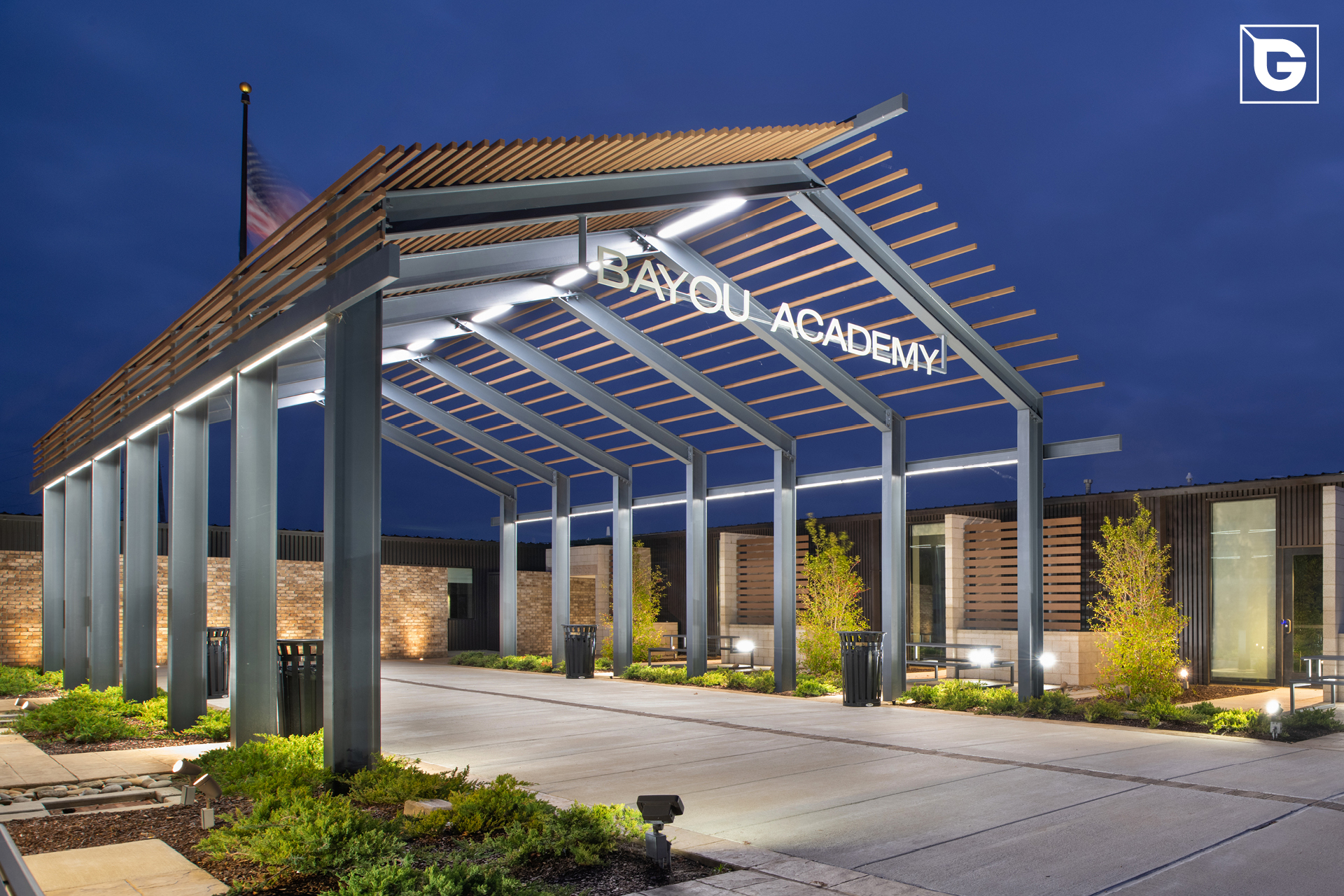
Bayou Academy, Cleveland, MS
Reverb Hotel, Georgia
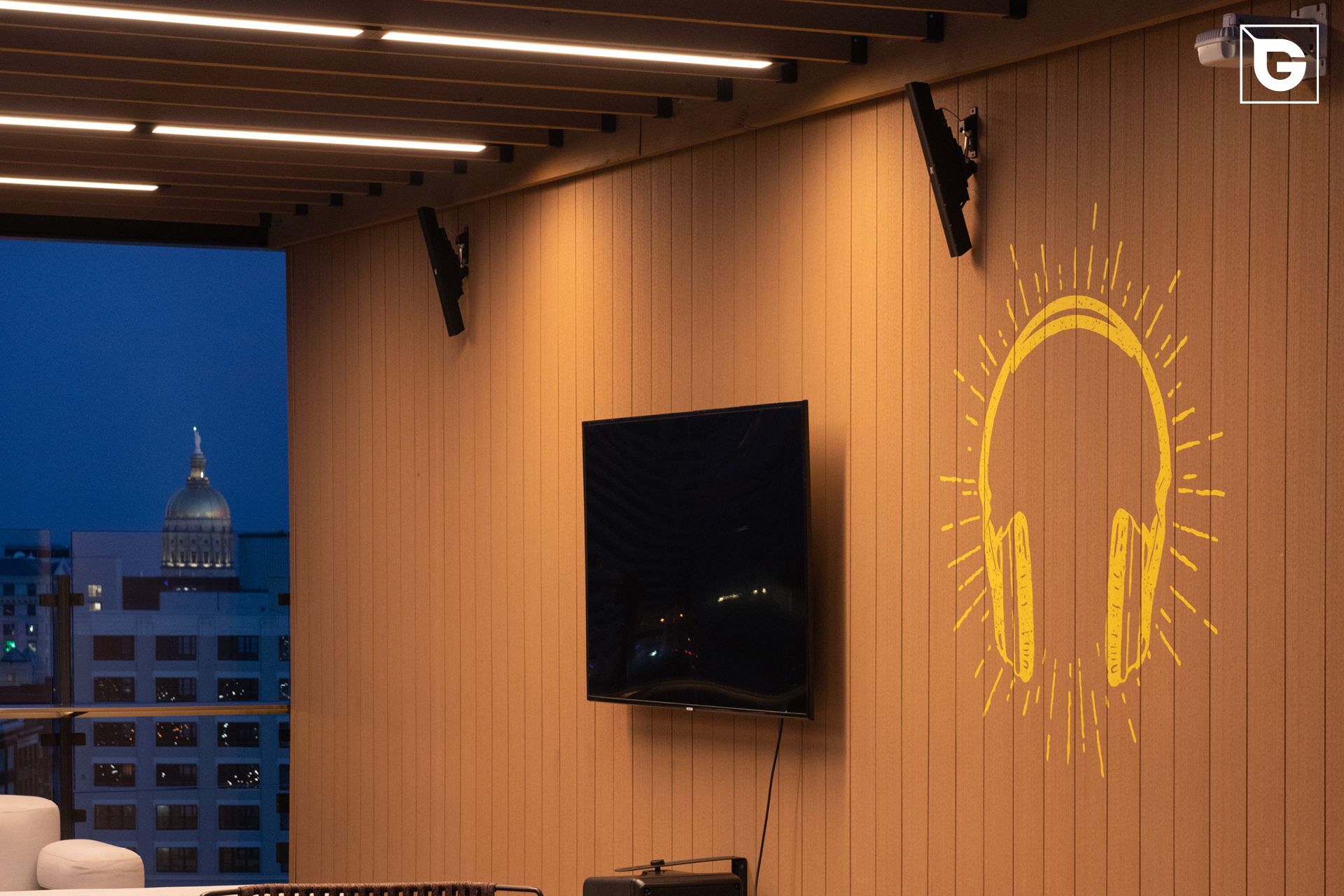
Reverb Hotel Feature Wall
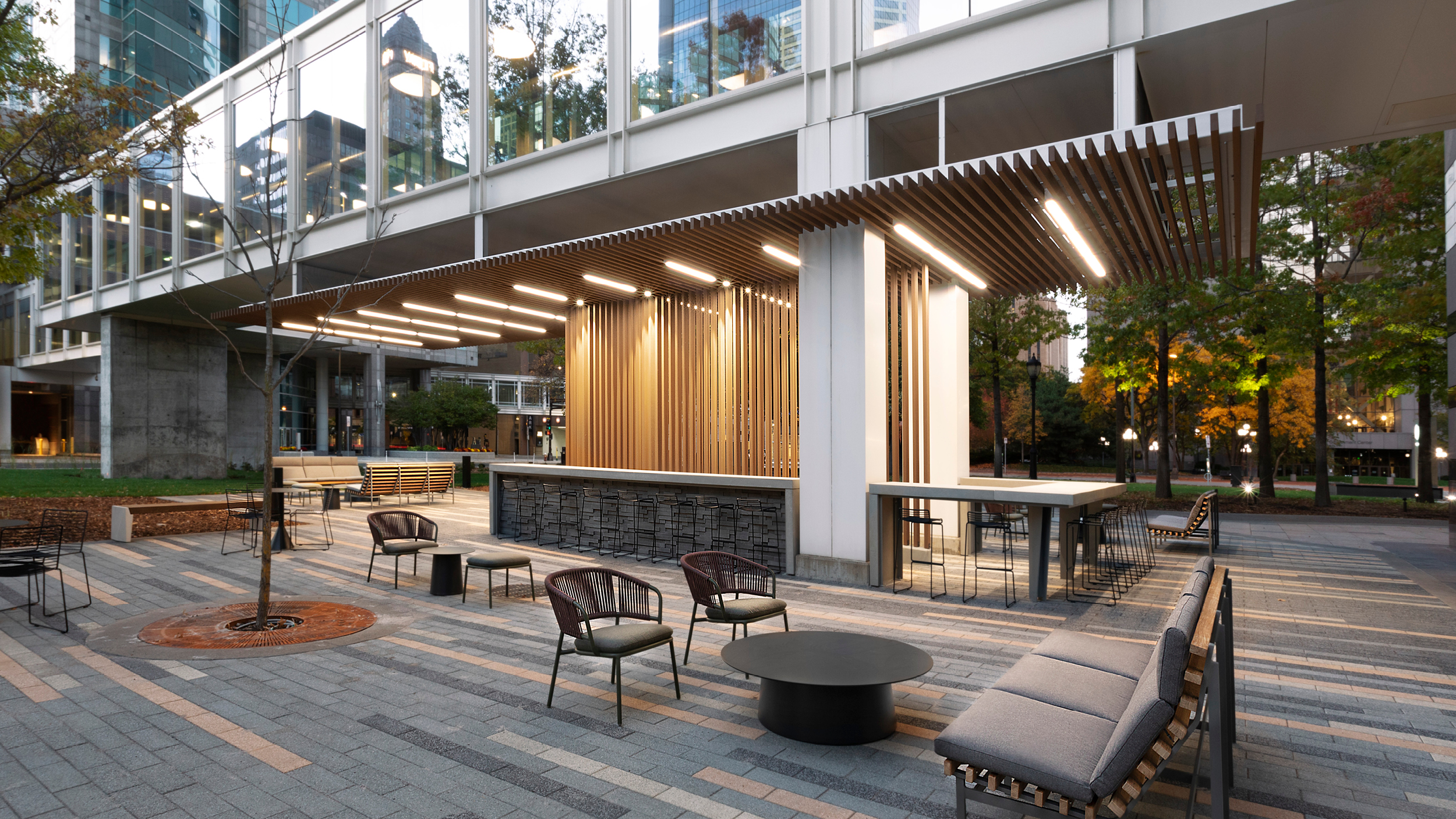
 Reverb Hotel Entry
 Browse Full Gallery →
Bayou Academy and Reverb Hotel both use Vertigo 5010 across exterior wall cladding and feature-wall applications, proof the same panel handles a school’s exterior envelope and a hotel’s interior accent wall without switching materials. Geolam’s full project archive includes more than 80 named commercial installations across North America.
See All Projects in the GalleryStandard finishes
Consistent across the Vertigo range, indoors and out.
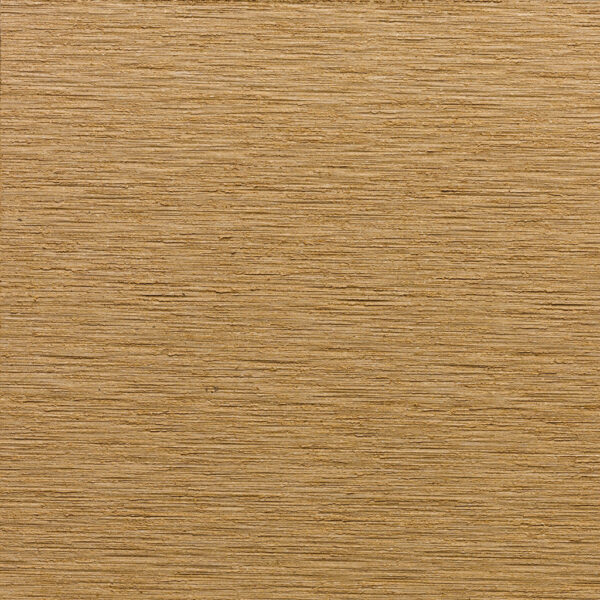
Teak
Warm, golden hardwood tone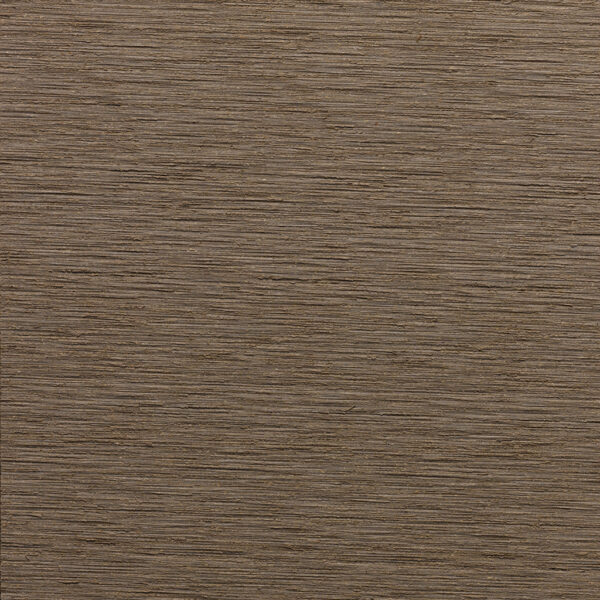
Moleskin
Cool, driftwood grey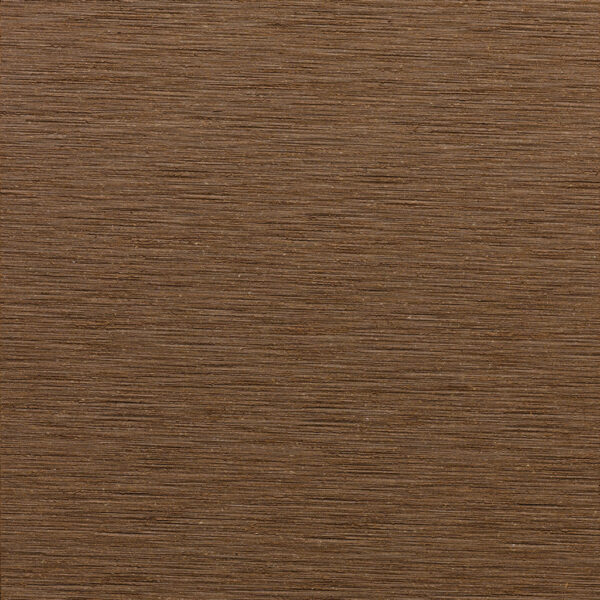
Rosewood
Deep reddish hardwood tone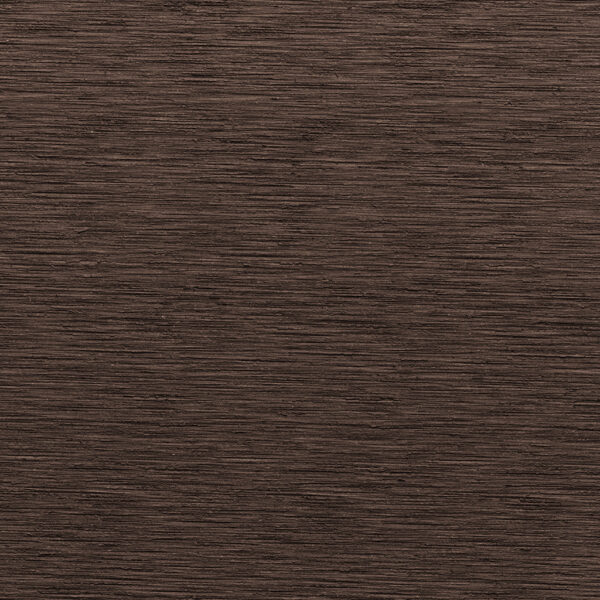
Ebony
Near-black, low-sheen finish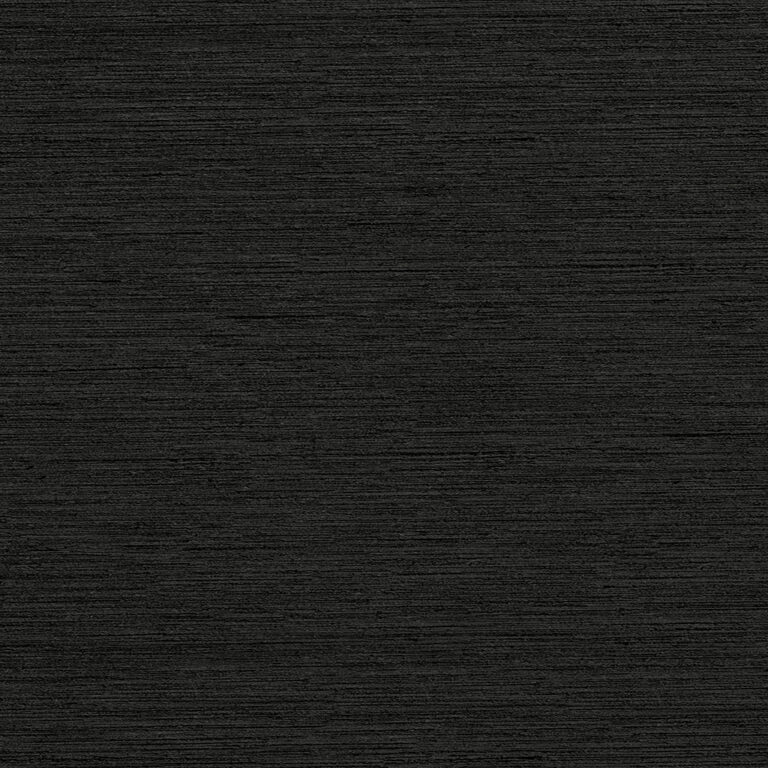
Carbon*
Deep matte black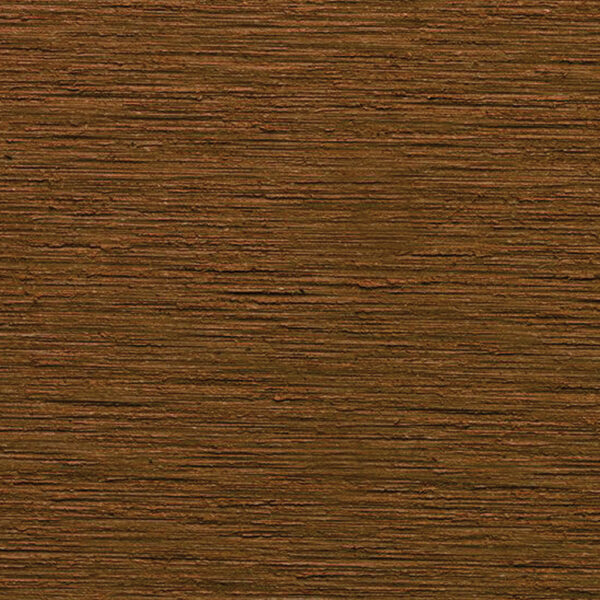
Bilinga*
Rich amber-brown hardwood tone*Non-standard color, 90-day lead time, 5,000 lineal ft minimum.
A feature wall or lobby installation often gets viewed under artificial lighting that a facade never does, which changes how a finish reads. All four standard colors, Teak, Moleskin, Rosewood, and Ebony, ship with the same sanded surface whether the run is heading indoors or outside, and are stocked in the USA with no minimum order.
Carbon and Bilinga are available as special-order colors; fully custom colors are available above a 6,000 lineal foot minimum. For interior feature walls especially, request a physical sample and view it under your actual lighting before committing, screen and daylight renderings both misrepresent how a warm wood tone reads under LED or incandescent lobby lighting.
Request Physical Samples
See it in 3D
Rotate, zoom, and switch colors on a real render of Vertigo 5010 before you request a physical sample.
Colors
What affects wall cladding cost?
Interior and exterior wall cladding price out differently. Here’s what actually drives the number.
Talk to a rep before you budget
Send your wall area, interior or exterior scope, preferred finish, and location to your local rep for an accurate quote.
Request a Quote Find Your Local RepWhat architects say
Template placeholders below, replace with real client quotes before this page goes live.
“[Client quote goes here, one to two sentences on why they chose Geolam for this project.]”
“[Client quote goes here, one to two sentences on why they chose Geolam for this project.]”
“[Client quote goes here, one to two sentences on why they chose Geolam for this project.]”
Wall cladding, common questions
What’s the difference between aluminium wall cladding and aluminum wall cladding?
Just spelling; “aluminium” is standard outside North America, “aluminum” within it. Both describe wall cladding panels built on an aluminum core, like Geolam’s aluminium wall cladding panels, which co-extrude that core with a wood-composite face.
What are wall cladding panels, exactly?
Wall cladding panels, sometimes called cladding wall panels or cladding for walls, are the individual boards or sheets installed side by side to cover a wall. Vertigo 5010 panels measure 7¼” wide by ½” thick, in standard 12ft lengths, whether the run is cladding for wall interior or exterior use.
Is PVC wall cladding a good choice?
It depends what you’re optimizing for. PVC wins on upfront cost and low maintenance, but the surface is printed rather than genuinely textured, and it doesn’t carry the fire performance of aluminum or composite alternatives, worth weighing for any commercial interior with strict code requirements.
What does “long run wall cladding” mean?
It refers to cladding available in extended lengths for facades or walls without frequent joints. Vertigo 5010 ships in 12ft standard lengths with custom lengths to 19’8″ for longer, uninterrupted runs.
What’s an engineered wall cladding system, versus a basic cladding product?
An engineered system is designed as a complete assembly, panel, fastening hardware, trim, and documented installation method, rather than a raw material sold on its own. Vertigo 5010 ships as an engineered wall cladding system with matched J-trim, clips, and published CSI specifications.
Are interior wall cladding panels different from exterior ones?
With Vertigo 5010, no, it’s the same panel and colors either way. What changes is the installation: interior wall cladding panels typically skip the drainage plane and air cavity an exterior rainscreen assembly requires.
Is aluminium interior wall cladding available, or is that purely an exterior product?
It’s available for both. Aluminium interior wall cladding, like Vertigo 5010 used indoors, carries the same fire-rating advantage that matters on a facade, non-combustible per ASTM E136, which is often exactly what an interior commercial specification needs.
What’s a good indoor feature wall cladding idea?
Vertical-run panels behind a reception desk or bar are the most common indoor feature wall cladding treatment, since the orientation reads intentionally different from the surrounding horizontal or painted walls. Modern interior cladding for feature walls often pairs one accent color, like Ebony or Rosewood, against a neutral field.
What’s the difference between a cladding feature wall and a full wall cladding installation?
A cladding for feature wall project covers a single accent surface, often a smaller area at a higher finish tier. A full installation clads an entire elevation or room. Both use identical material and installation, just different scope.
Are exterior, external, and outdoor feature wall cladding the same thing?
Yes, exterior feature wall cladding, external feature wall cladding, and outdoor feature wall cladding all describe the same application: a single accent elevation, entry monument, or sign wall clad differently than the surrounding facade.
Can I get WPC interior wall cladding quotes directly from the manufacturer?
Yes. Geolam, Inc. quotes directly rather than exclusively through resellers; send elevation or wall area, finish, and location to a local rep for pricing specific to interior scope.
Is there a minimum order for cladding for walls inside a building?
Standard colors carry no minimum order for interior or exterior use. Non-standard and fully custom colors have lineal footage minimums (5,000–6,000 ft) regardless of whether the project is indoors or out.
Ready to see it in hand?
Order a physical sample box, or get a project quote from your local Geolam representative.
